Davanagere South By‑Poll Highlights Debate Over Muslim Representation in Karnataka Politics
The Davanagere South by‑poll in Karnataka has sparked debate over Muslim political representation as parties weigh candidate choices in a constituency long considered a political stronghold.
 SANJANA DUTTA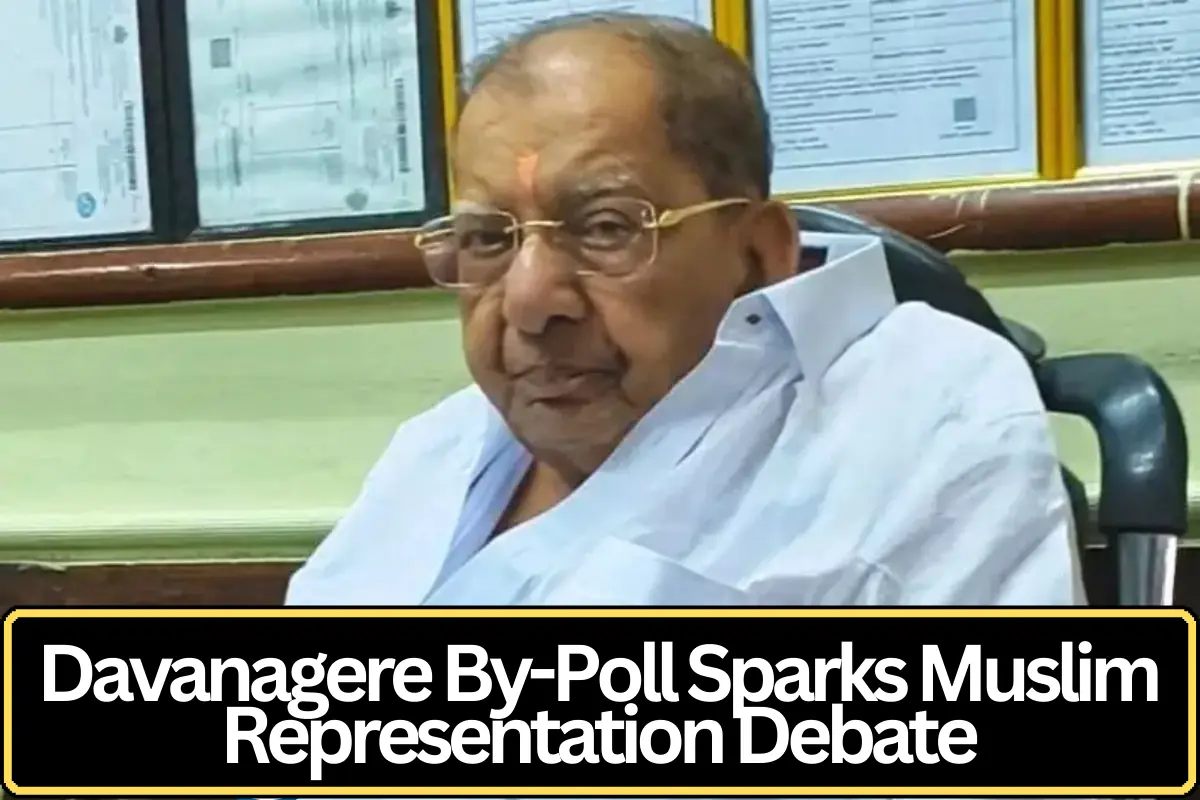
By‑Election in Davanagere South Brings Representation Debate to the Forefront
The upcoming by‑poll in Davanagere South constituency in Karnataka has sparked renewed debate over Muslim political representation in the state, as political parties finalize candidates for a seat long regarded as a political stronghold. The contest has drawn attention from political observers and community leaders who say the election highlights broader questions about representation and electoral strategy in the region.
The by‑election became necessary following the vacancy of the Davanagere South Assembly seat, prompting major political parties to prepare for a closely watched contest. The constituency has historically been dominated by influential political families and established party networks, making the choice of candidates a significant factor in determining the outcome.
Historical Political Influence in the Constituency
Davanagere South has long been considered a politically influential constituency within Karnataka’s electoral landscape. Over the years, the seat has been associated with prominent political leaders and parties that have maintained strong organizational bases in the region.
The political dynamics of the constituency often reflect broader state-level trends while also being shaped by local leadership networks and voter loyalties. Because of its established political alignments, the seat is frequently viewed as a bastion for dominant political groups.
Observers note that by‑elections in such constituencies can reveal shifts in political sentiment, particularly when parties experiment with candidate selection strategies aimed at expanding their support base.
Debate Over Muslim Representation
The by‑poll has brought the issue of Muslim representation in Karnataka politics into focus. Community leaders and political commentators have pointed out that despite being a significant demographic group in several parts of the state, Muslims often remain underrepresented in legislative bodies.
In Davanagere South, discussions around representation have intensified as parties consider whether to field candidates from minority communities or continue with traditional electoral calculations. Supporters of greater representation argue that inclusive political participation strengthens democratic institutions and ensures that diverse voices are reflected in policymaking.
At the same time, political parties must balance such considerations with electoral viability, local alliances, and internal party dynamics when selecting candidates for competitive constituencies.
Electoral Strategy of Major Parties
Major political parties in Karnataka are closely evaluating their strategies for the Davanagere South by‑poll. Candidate selection, campaign messaging, and coalition‑building are expected to play crucial roles in shaping the contest.
Political strategists believe that the by‑poll could become a test of party organization and voter mobilization in the region. In by‑elections, turnout patterns and localized campaigning often have a significant impact on results, sometimes producing outcomes different from general elections.
Parties are therefore focusing on consolidating their traditional voter bases while also attempting to reach out to communities that could influence the electoral balance.
Community Expectations and Political Participation
Community organizations and civil society groups have also weighed in on the discussion surrounding representation. Some leaders argue that political parties should broaden their candidate pools to reflect the social diversity of the electorate.
Advocates for increased representation say that participation in legislative institutions provides communities with greater opportunities to influence public policy and development priorities. They emphasize that inclusive representation can help address issues affecting minority populations.
However, political analysts caution that representation debates must also consider broader electoral realities, including party structures, constituency demographics, and historical voting patterns.
Significance of By‑Polls in State Politics
Although by‑elections involve only a single constituency, they often attract significant political attention because they can signal shifts in voter sentiment. Political parties frequently treat such contests as opportunities to test campaign strategies and gauge public reaction to governance policies.
In Karnataka, by‑poll results have occasionally influenced political narratives at the state level, particularly when they occur during periods of intense political competition. Parties often deploy senior leaders and significant campaign resources to secure victory in these elections.
The Davanagere South contest is expected to follow a similar pattern, with party leadership closely monitoring developments on the ground.
Local Issues Likely to Shape Campaign
While representation debates have attracted widespread attention, local development issues are also expected to play a major role in the campaign. Infrastructure development, employment opportunities, urban services, and agricultural concerns remain key priorities for voters in the region.
Political candidates are likely to focus their campaigns on addressing these concerns while also highlighting their party’s broader policy agenda. Local leadership credibility and grassroots connections could prove decisive factors in influencing voter support.
Observers note that the outcome will depend not only on broader political narratives but also on how effectively candidates connect with constituents on everyday issues.
Political Stakes for Parties
For political parties, the Davanagere South by‑poll represents more than a single electoral contest. A victory could strengthen party morale and reinforce organizational strength ahead of future elections, while a defeat could prompt internal reassessment of strategy.
The election also provides an opportunity for parties to demonstrate their approach to representation and inclusivity in candidate selection. Decisions taken during the by‑poll campaign may influence how parties shape their electoral strategies in other constituencies.
As campaigning intensifies, political observers expect debates around representation, governance, and development to dominate the public discourse.
Current Status
The Davanagere South by‑poll campaign is gathering momentum as political parties finalize candidates and strategies, with the contest drawing attention for its potential implications for minority representation and the broader political dynamics of Karnataka.