Delhi Budget 2026 Signals Increased Focus on Healthcare Expansion and Infrastructure
Delhi Budget 2026 signals increased focus on healthcare expansion, infrastructure upgrades, and improved public health services across the capital.
 Akanksha jain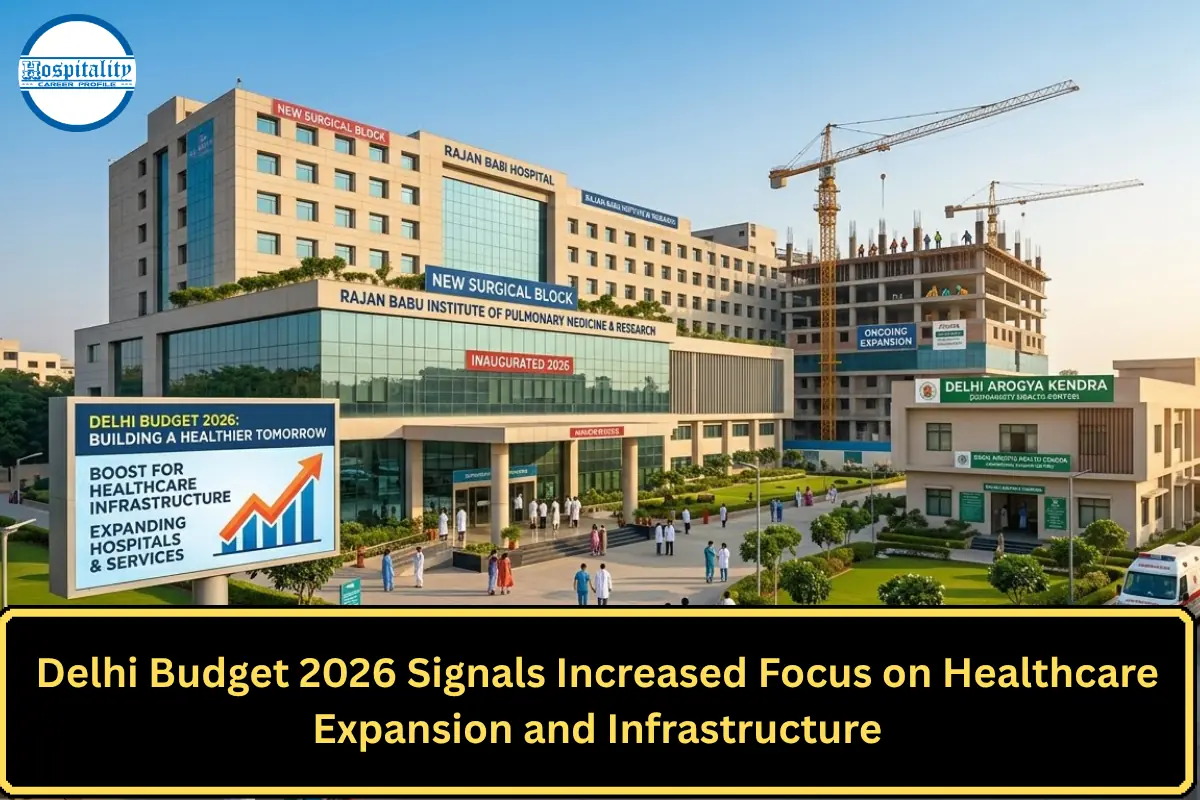
Delhi Budget 2026 Signals Increased Focus on Healthcare Expansion and Infrastructure
The Delhi government’s Budget 2026 has signaled a renewed focus on expanding healthcare infrastructure and strengthening public health services, with the chief minister outlining key priorities aimed at improving access, capacity, and quality of care across the capital. The announcement, made as part of the annual budget presentation, comes amid rising demand for healthcare services and growing concerns over hospital overcrowding and resource constraints.
The budget emphasizes increased investment in hospital infrastructure, expansion of medical facilities, and enhancement of primary healthcare services. Officials stated that the measures are designed to address existing gaps in the healthcare system while preparing for future challenges in one of India’s most densely populated urban centers.
Focus on Expanding Healthcare Infrastructure
A central component of the budget is the expansion of healthcare infrastructure, including the construction of new hospitals and the upgrading of existing facilities. Authorities aim to increase bed capacity and improve the availability of specialized treatment services to meet rising patient demand.
The government has outlined plans to modernize hospital infrastructure by incorporating advanced medical equipment and improving overall facility conditions. These efforts are expected to reduce pressure on existing hospitals and enhance service delivery.
Officials highlighted that expanding infrastructure is critical to ensuring timely and effective treatment for patients across the city.
Strengthening Primary Healthcare Services
The budget places significant emphasis on strengthening primary healthcare through the expansion of community-level health services. Initiatives include the development of additional primary health centers and the enhancement of existing clinics to provide accessible and affordable care.
By focusing on preventive care and early diagnosis, the government aims to reduce the burden on tertiary hospitals. Experts note that a strong primary healthcare system is essential for managing patient flow and improving overall health outcomes.
Efforts are also being made to integrate digital health solutions to streamline services and improve patient management.
Addressing Workforce and Resource Gaps
Recognizing the challenges posed by workforce shortages, the budget includes provisions for the recruitment and training of healthcare professionals. Increasing the number of doctors, nurses, and support staff is seen as a priority to improve service efficiency and reduce workload pressures.
Investments in medical education and training programs are also planned to ensure a steady supply of skilled professionals. Authorities aim to enhance working conditions and provide incentives to retain talent within the public healthcare system.
Addressing resource gaps is expected to play a key role in improving patient care and operational efficiency.
Technology and Digital Health Initiatives
The Delhi government has underscored the importance of technology in transforming healthcare delivery. The budget includes initiatives to expand digital health infrastructure, including electronic health records, telemedicine services, and data-driven healthcare management systems.
These measures are intended to improve efficiency, reduce waiting times, and enhance the overall patient experience. Digital tools are also expected to support better coordination between healthcare providers and facilitate more accurate diagnosis and treatment planning.
Experts believe that integrating technology into healthcare systems will be crucial for managing future demand.
Focus on Preventive Healthcare
Preventive healthcare has emerged as a key priority in the budget, with initiatives aimed at promoting health awareness and early intervention. Programs targeting lifestyle diseases, vaccination coverage, and regular health screenings are expected to be expanded.
Officials emphasized that prevention is a cost-effective approach to improving public health and reducing long-term healthcare expenditure. Public awareness campaigns and community outreach programs are planned to encourage healthier lifestyles.
The focus on prevention aligns with broader national efforts to address rising non-communicable diseases.
Financial Allocation and Policy Direction
While the budget signals increased attention to healthcare, analysts are closely examining the actual financial allocations to assess their adequacy. Experts note that sustained investment is necessary to achieve meaningful improvements in infrastructure and service delivery.
The government has indicated that healthcare will remain a priority sector, with continued funding support and policy initiatives aimed at strengthening the system. Transparency in budget utilization and effective implementation will be critical to achieving desired outcomes.
Stakeholders have called for regular monitoring and evaluation of healthcare projects to ensure accountability.
Challenges and Implementation Concerns
Despite the positive outlook, challenges remain in translating budget announcements into tangible improvements. Delays in project execution, bureaucratic hurdles, and coordination issues have historically impacted the effectiveness of similar initiatives.
Experts caution that addressing these challenges will require strong governance, efficient planning, and collaboration between various agencies. Ensuring the timely completion of infrastructure projects and the effective use of resources will be key to success.
The government has acknowledged these concerns and emphasized its commitment to improving implementation processes.
Impact on Residents and Healthcare Access
The measures outlined in the budget are expected to have a direct impact on residents by improving access to healthcare services and reducing waiting times. Enhanced infrastructure and increased workforce capacity are likely to improve patient experiences and outcomes.
For economically disadvantaged populations, stronger public healthcare systems provide essential support and reduce dependence on costly private services. Ensuring equitable access remains a central objective of the government’s healthcare strategy.
Experts believe that sustained efforts will be necessary to achieve long-term improvements in healthcare access and quality.
Broader Urban Healthcare Context
The focus on healthcare in Delhi’s budget reflects broader challenges faced by urban centers across India. Rapid population growth, changing disease patterns, and increasing healthcare expectations are placing significant pressure on city health systems.
Policymakers are increasingly recognizing the need for comprehensive strategies that combine infrastructure development, workforce expansion, and technological innovation. Delhi’s approach may serve as a model for other cities facing similar challenges.
The emphasis on healthcare aligns with national priorities aimed at strengthening public health systems.
Conclusion
The Delhi Budget 2026 signals a strong commitment to expanding healthcare infrastructure and improving public health services, with the success of these initiatives likely to depend on effective implementation and sustained investment in the years ahead.