Denmark Becomes First EU Country to Eliminate Mother-to-Child Transmission of HIV and Syphilis
Denmark has become the first European Union country to eliminate mother-to-child transmission of HIV and syphilis, according to the World Health Organization.
 Akanksha jain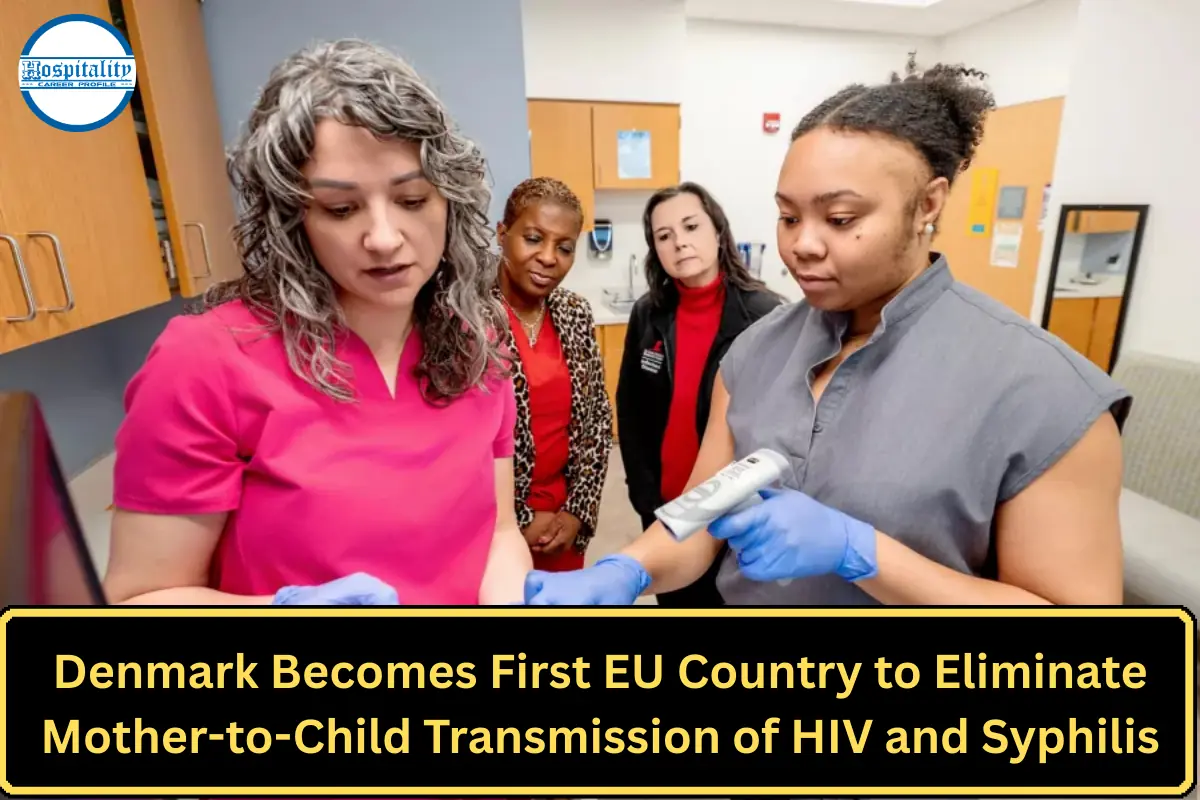
It has become the first country in the European Union to eliminate mother-to-child transmission of HIV and syphilis, according to the WHO.
The certification marks a major public health milestone, reflecting sustained investment in maternal healthcare, routine screening, and timely treatment during pregnancy.
What Elimination Means:
Elimination of mother-to-child transmission (EMTCT) does not mean the diseases no longer exist, but rather that transmission rates have been reduced to extremely low levels as defined by WHO benchmarks. This requires high coverage of prenatal testing, access to antiretroviral therapy for HIV, and effective treatment for syphilis.
Denmark met strict validation criteria, including strong surveillance systems and consistent healthcare access for pregnant women.
Comprehensive Maternal Care:
Health authorities attribute the achievement to universal prenatal screening, early diagnosis, and prompt medical intervention. Pregnant women are routinely tested for HIV and syphilis, allowing treatment to significantly reduce the risk of transmission to newborns.
Integrated healthcare services and strong public health infrastructure have also played a critical role in ensuring continuity of care.
Global Health Significance:
WHO has encouraged countries worldwide to strengthen maternal and child health programs to achieve similar milestones. Eliminating vertical transmission of HIV and syphilis is considered a key step toward improving child survival and advancing global health targets.
Denmark’s certification is expected to serve as a model for other European and global health systems seeking to reduce preventable infections in newborns.