Clinical Trial Tests Fast-Acting Brain Stimulation as Promising Treatment for Postpartum Depression
postpartum depression treatment 2026, brain stimulation therapy, mental health innovation, maternal health research, rapid depression treatment, neuroscience clinical trial
 Akanksha jain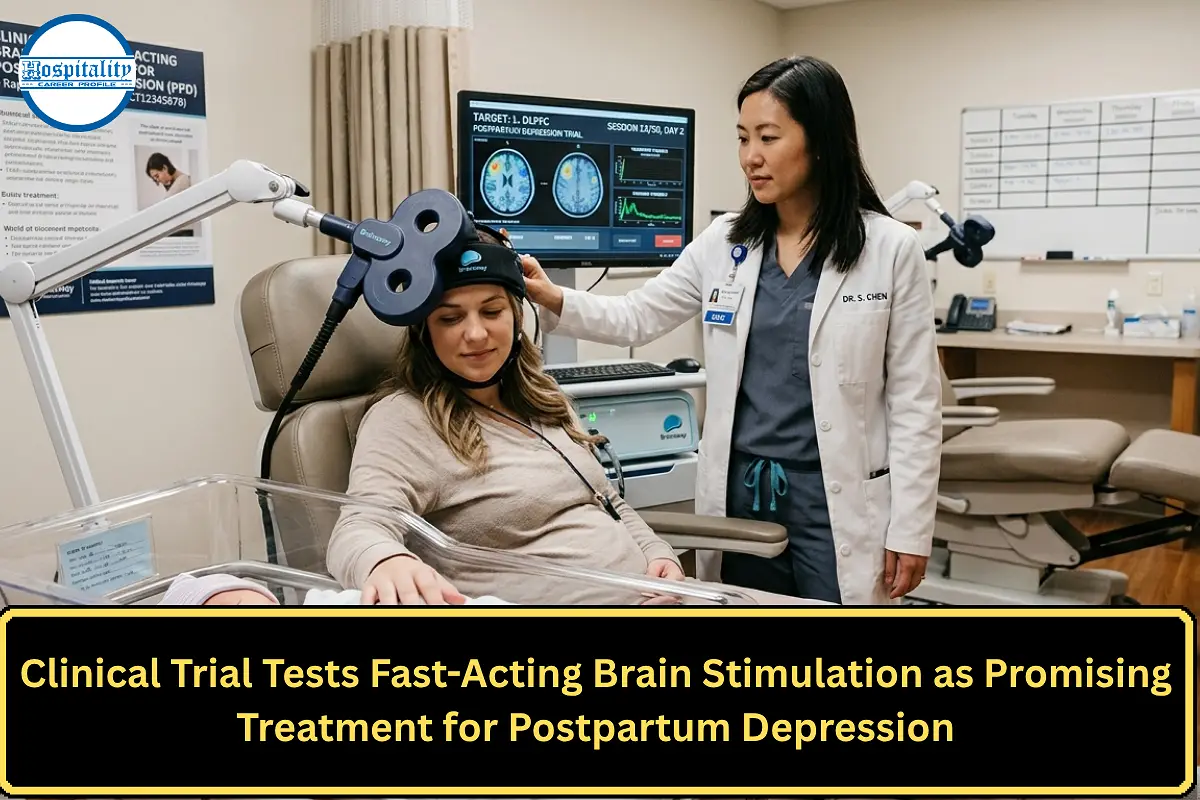
Clinical Trial Tests Fast-Acting Brain Stimulation as Promising Treatment for Postpartum Depression
A new clinical trial is evaluating a fast-acting brain stimulation technique as a potential treatment for postpartum depression, researchers announced in April 2026, aiming to provide quicker relief for new mothers affected by the condition. The study, conducted by a team of neuroscientists and clinicians, is exploring whether targeted stimulation of specific brain regions can rapidly alleviate depressive symptoms in women following childbirth.
Postpartum depression is a serious mental health condition that affects a significant number of women after giving birth, often interfering with maternal well-being and infant care. Current treatments, including antidepressant medications and psychotherapy, can take weeks to show effects, highlighting the need for faster-acting therapeutic options.
Exploring a Novel Treatment Approach
The trial focuses on a form of non-invasive brain stimulation designed to modulate neural activity associated with mood regulation. Researchers are using advanced techniques to deliver targeted stimulation to areas of the brain implicated in depression, aiming to restore normal patterns of activity more rapidly than conventional treatments.
This approach builds on previous research demonstrating that brain stimulation therapies can be effective in treating major depressive disorder. However, the current trial is among the first to specifically investigate its application in postpartum depression, a condition with unique biological and psychological factors.
By directly influencing brain circuits involved in emotional processing, the therapy has the potential to produce faster and more consistent improvements in symptoms.
Need for Faster Treatment Options
Postpartum depression can develop within weeks of childbirth and may have serious consequences for both mother and child if left untreated. Symptoms can include persistent sadness, anxiety, fatigue, and difficulty bonding with the newborn.
Experts emphasize that early and effective treatment is critical, as the condition can impact infant development and family dynamics. Traditional treatments, while effective for many patients, may not act quickly enough to address acute symptoms during the critical early postpartum period.
The development of rapid-acting therapies is therefore considered a priority in maternal mental health research.
How the Brain Stimulation Works
The technique being tested involves delivering controlled electrical or magnetic pulses to targeted brain regions using specialized equipment. These pulses are designed to influence neural activity, enhancing or suppressing signals in areas linked to mood regulation.
Unlike invasive procedures, the therapy is administered externally and does not require surgery. Sessions are typically conducted in a clinical setting under the supervision of trained professionals, ensuring safety and precision.
Researchers are also investigating optimal treatment protocols, including the frequency and duration of stimulation sessions, to maximize therapeutic benefits.
Early Findings and Expectations
Preliminary findings from the trial suggest that some participants have experienced improvements in symptoms within a shorter timeframe compared to standard treatments. While these early results are encouraging, researchers caution that further data is needed to confirm the therapy’s effectiveness and long-term benefits.
The study is ongoing, with participants being monitored over time to assess the durability of treatment effects and any potential side effects. Researchers are also comparing outcomes with those of conventional therapies to evaluate relative efficacy.
Experts note that while initial results are promising, larger studies will be necessary before the treatment can be widely adopted in clinical practice.
Safety and Patient Considerations
Ensuring patient safety is a central focus of the trial. Brain stimulation therapies have been used in other psychiatric conditions and are generally considered safe when administered correctly. Common side effects may include mild discomfort at the site of stimulation or temporary headaches.
Researchers are closely monitoring participants for any adverse effects and adjusting treatment protocols as needed. The non-invasive nature of the therapy makes it an attractive option for postpartum patients, who may be cautious about medication use while breastfeeding.
Healthcare providers emphasize the importance of individualized care, taking into account each patient’s medical history and specific needs.
Implications for Maternal Mental Health
If proven effective, fast-acting brain stimulation could represent a significant advancement in the treatment of postpartum depression. Rapid symptom relief could improve outcomes for mothers, enabling them to better care for their infants and engage in daily activities.
The approach may also reduce reliance on medications, offering an alternative for patients who prefer non-pharmacological treatments. This could be particularly beneficial for women concerned about the potential effects of medications on breastfeeding.
Experts believe that expanding treatment options is essential for addressing the diverse needs of patients with postpartum depression.
Broader Impact on Mental Health Treatment
The success of this trial could have implications beyond postpartum depression, potentially influencing the treatment of other mood disorders. Advances in brain stimulation technologies are already transforming the field of psychiatry, offering new ways to target underlying neural mechanisms.
Researchers are exploring how similar approaches can be adapted for different patient populations and conditions, including anxiety disorders and treatment-resistant depression. The ability to deliver rapid and targeted interventions could reshape mental health care in the coming years.
Continued innovation in this area is expected to drive further improvements in patient outcomes.
Next Steps in Research
The ongoing trial will continue to collect data on the effectiveness, safety, and feasibility of the brain stimulation approach. Researchers plan to expand the study to include larger and more diverse populations, ensuring that findings are applicable across different demographic groups.
Collaboration with healthcare providers and institutions will be key to advancing the research and translating findings into clinical practice. Regulatory approval processes will also play a critical role in determining the timeline for potential adoption.
Future studies may explore combining brain stimulation with other treatments, such as psychotherapy, to enhance overall effectiveness.
Conclusion
The clinical trial investigating fast-acting brain stimulation for postpartum depression represents a promising step toward improving maternal mental health care, with ongoing research expected to determine its role in future treatment strategies.