Fiji Secures $50 Million ADB Loan for Health System Overhaul Under $180 Million Regional Programme
Fiji signs $50 million ADB loan deal as part of a $180 million regional programme to modernise healthcare and improve access to services.
 Tripti Srivastava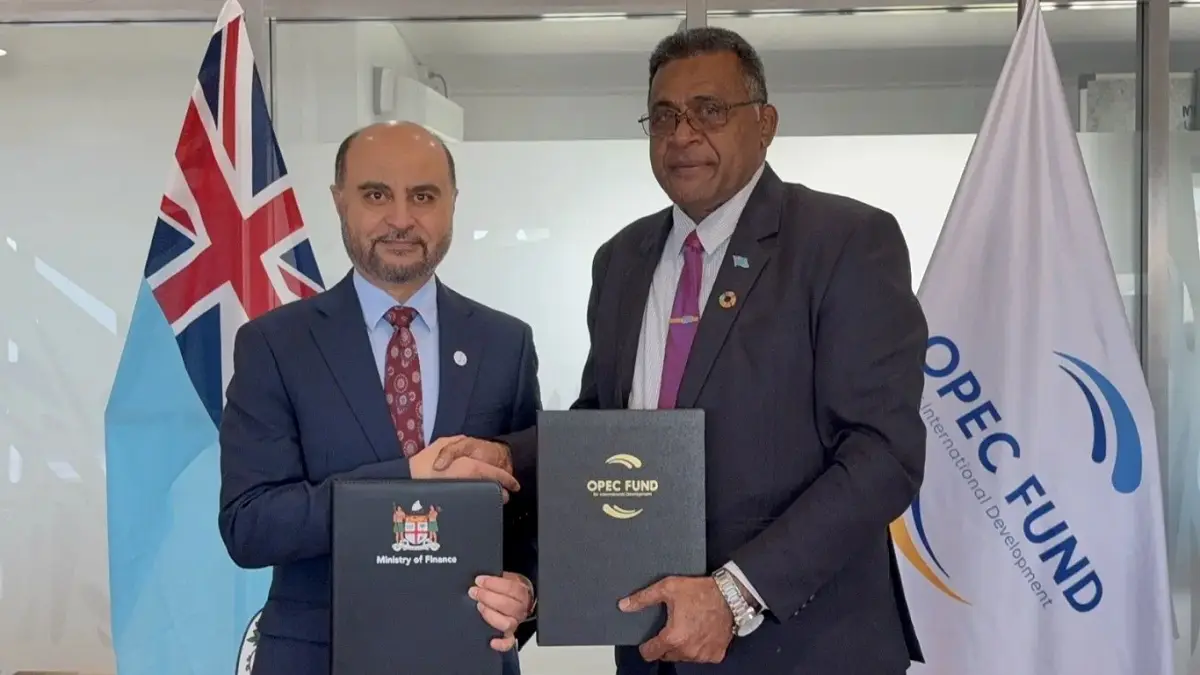
Fiji has secured a $50 million concessional loan from the Asian Development Bank as part of a broader $180 million regional financing programme aimed at transforming healthcare systems and expanding access to medical services across Pacific island nations.
The financing agreement, signed by Fiji’s Minister for Finance Esrom Immanuel and ADB Pacific Regional Director Azusa Sato, marks a key step in the Pacific Healthy Islands Transformation Project, a multi-country initiative focused on strengthening healthcare delivery and addressing rising non-communicable diseases.
Financing Structure and Programme Scope
The $50 million loan forms part of a larger financing pool exceeding $180 million, making it one of the most significant health sector reform programmes in the Pacific region. The initiative is co-financed by the World Bank as the lead financier, alongside the OPEC Fund for International Development and the Pandemic Prevention, Preparedness and Response Trust Fund.
This blended financing structure reflects a coordinated effort among multilateral institutions to address structural gaps in healthcare systems across small island economies, which often face constraints in infrastructure, workforce capacity, and service delivery.
The programme is designed to be implemented over a six-year period, with execution led by Fiji’s Ministry of Finance in collaboration with the Ministry of Health and Medical Services.
The Pacific Healthy Islands Transformation Project is aimed at increasing access to quality healthcare services, with a particular emphasis on tackling non-communicable diseases (NCDs), which remain a leading cause of mortality in the region.
Government officials stated that the initiative will support improvements in early detection, prevention, and treatment of chronic conditions such as diabetes, cardiovascular diseases, and other long-term health challenges.
In addition to expanding service access, the project seeks to enhance healthcare quality through system upgrades, better clinical practices, and improved patient outcomes.
System Modernisation and Regional Collaboration
A central component of the programme involves modernising Fiji’s healthcare infrastructure and systems. This includes strengthening data collection and analytics capabilities to support evidence-based decision-making and improve resource allocation.
The initiative also promotes regional cooperation among Pacific island countries, enabling shared solutions and knowledge exchange in addressing common healthcare challenges. This collaborative approach is expected to enhance efficiency and reduce duplication of efforts across national systems.
ADB officials highlighted that improved data systems and regional coordination would play a critical role in strengthening resilience against future health crises, including pandemics and emerging public health threats.
The investment aligns with Fiji’s broader policy objectives to improve public health outcomes and ensure equitable access to healthcare services. For small island economies, healthcare investment is closely linked to economic stability, workforce productivity, and long-term development.
By securing concessional financing, Fiji is able to undertake large-scale reforms without significantly increasing short-term fiscal pressure, while benefiting from favourable loan terms typically offered by multilateral development institutions.
The project also reflects a growing trend of targeted international financing aimed at strengthening healthcare systems in vulnerable regions, particularly in the wake of global health challenges that have exposed systemic weaknesses.
Implementation Timeline and Expected Impact
Over the six-year implementation period, the programme is expected to deliver measurable improvements in healthcare access, service quality, and system efficiency. Authorities indicated that the initiative will focus on expanding service reach to underserved communities and improving overall healthcare delivery standards.
While the programme is regional in scope, Fiji’s participation is expected to play a pivotal role in setting benchmarks for healthcare reform within the Pacific, given its relatively developed institutional framework compared to smaller island states.
The government emphasised that the investment represents a long-term commitment to building a resilient and inclusive healthcare system capable of meeting the evolving needs of its population.
The agreement underscores the importance of multilateral partnerships in addressing critical infrastructure and social sector challenges, particularly in regions with limited domestic financing capacity.