Global Health Reform Debates Face a Dangerous Blind Spot That Could Undermine Future Pandemic Preparedness
As global health reform discussions intensify, experts warn of a critical blind spot that could weaken pandemic preparedness, equity, and health system resilience worldwide. Here’s what policymakers must address now.
 Akanksha jain
Global health reform has returned to the center of international policy discussions. In the aftermath of the COVID-19 pandemic, governments, multilateral agencies, philanthropic foundations, and civil society organizations have all called for sweeping changes to the way global health is financed, governed, and delivered. While these conversations have generated momentum for reform, experts are increasingly warning that a dangerous blind spot threatens to undermine the very goals these reforms aim to achieve.
At stake is not just institutional restructuring, but the future of pandemic preparedness, equitable access to healthcare, and the resilience of health systems worldwide. As policymakers debate new financing models and governance frameworks, one critical issue remains insufficiently addressed: how global health systems will ensure long-term accountability, local ownership, and sustainable implementation beyond emergency cycles.
The Surge in Global Health Reform Efforts
The COVID-19 crisis exposed deep structural weaknesses in global health governance. From delayed outbreak reporting to unequal vaccine distribution, systemic failures became impossible to ignore. In response, reform proposals have multiplied. These include new pandemic preparedness funds, revisions to international health regulations, expanded surveillance systems, and stronger coordination mechanisms between global institutions.
Donor countries have pledged billions of dollars to strengthen pandemic prevention and response. International financial institutions are exploring innovative funding models to ensure rapid mobilization of resources during emergencies. Meanwhile, calls for reforming multilateral health agencies have grown louder, with critics arguing that existing systems lack agility and enforceability.
Yet while these proposals focus heavily on emergency response mechanisms, they often neglect the everyday realities of health systems in low- and middle-income countries.
The Blind Spot: Health System Foundations
The most dangerous oversight in current reform debates is the insufficient focus on strengthening foundational health systems. Surveillance platforms, stockpiles of medical supplies, and global emergency funds are important. However, without strong primary healthcare infrastructure, trained personnel, reliable supply chains, and community trust, even the best emergency tools will fall short.
During the pandemic, many countries struggled not because they lacked sophisticated technology, but because they lacked sufficient healthcare workers, oxygen supplies, data management systems, and community-based outreach networks. Investments that concentrate narrowly on global coordination mechanisms risk repeating the same mistake: building vertical systems without reinforcing the base.
Primary Care as the First Line of Defense
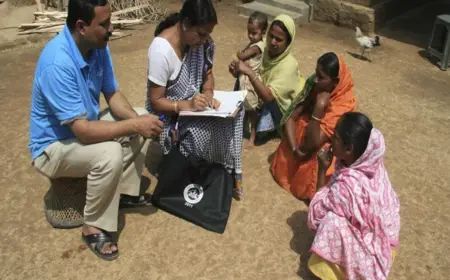
Primary healthcare is the foundation of resilient health systems. Clinics, community health workers, and local public health authorities are often the first to detect unusual disease patterns. When these frontline systems are weak, outbreaks spread undetected.
Yet reform proposals frequently emphasize high-level global surveillance and cross-border information sharing, rather than sustained funding for local clinics and workforce development. Without consistent investment in everyday care delivery, early warning systems remain incomplete.
Workforce Shortages and Burnout
The global shortage of healthcare workers is projected to worsen in the coming decade. Many countries face significant gaps in doctors, nurses, epidemiologists, and laboratory technicians. Pandemic response efforts strained already limited personnel, leading to burnout and attrition.
If reform discussions fail to prioritize workforce expansion, training, and retention, preparedness frameworks will rest on fragile human infrastructure. No amount of digital surveillance can compensate for a lack of skilled professionals on the ground.
Financing Without Accountability
Another major concern is the structure of global health financing. New funding mechanisms have been proposed to ensure rapid disbursement during health crises. While speed is essential, transparency and accountability are equally critical.
Short-term emergency funds can inadvertently sideline long-term system strengthening. Governments may be incentivized to focus on crisis-driven funding streams rather than sustained domestic investment in public health infrastructure.
Balancing Emergency and Routine Funding
Effective reform requires balancing emergency preparedness with routine healthcare financing. Chronic diseases, maternal health, child immunization, and mental health services cannot be neglected in favor of hypothetical future pandemics.
Health security and universal health coverage must be treated as complementary, not competing, priorities. Countries that achieved better pandemic outcomes often had stronger routine health systems before the crisis began.
Equity Gaps in Reform Agendas
Equity remains another underemphasized dimension of global health reform. The pandemic revealed stark disparities in access to vaccines, diagnostics, and therapeutics. Wealthier nations secured early supplies, while lower-income countries waited months or years for adequate access.
Although reform proposals frequently mention equity, implementation mechanisms remain unclear. Without enforceable commitments to technology transfer, regional manufacturing capacity, and fair allocation frameworks, inequities may persist during future crises.
Regional Manufacturing and Supply Chains
One lesson from COVID-19 was the vulnerability of centralized supply chains. Countries dependent on imported medical supplies faced severe shortages. Strengthening regional manufacturing capacity for vaccines, diagnostics, and essential medicines is critical to equitable access.
Yet financing and political support for regional production hubs have been inconsistent. Reform discussions must move beyond rhetorical commitments and outline concrete pathways for diversified manufacturing.
Governance and Power Imbalances
Global health governance is shaped by complex power dynamics. High-income donor countries often wield disproportionate influence over funding priorities and institutional decision-making. Reform efforts that do not address these imbalances risk reinforcing the same hierarchies that contributed to inequitable outcomes during the pandemic.
Meaningful reform requires amplifying the voices of low- and middle-income countries in decision-making processes. Representation must extend beyond symbolic participation to genuine authority over agenda-setting and resource allocation.
Local Ownership and Community Engagement
Global strategies are only effective when they align with local realities. Community engagement proved vital during vaccination campaigns and public health messaging efforts. Trust in health authorities, cultural competence, and grassroots partnerships can determine whether policies succeed or fail.
However, reform conversations often occur in high-level forums far removed from affected communities. Ensuring local ownership means investing in participatory governance models and decentralizing certain decision-making powers.
The Risk of Reform Fatigue
Global health has experienced multiple reform cycles over the past two decades. Each crisis triggers calls for structural overhaul, followed by incremental adjustments and waning political momentum. There is a risk that current reform enthusiasm may similarly dissipate once immediate threats fade.
To avoid reform fatigue, stakeholders must establish measurable benchmarks, timelines, and accountability mechanisms. Transparent monitoring systems can track progress and ensure commitments translate into action.
Integrating Climate and Health Preparedness
Another emerging blind spot is the intersection of climate change and health security. Rising temperatures, extreme weather events, and shifting disease vectors pose increasing risks to global health. Yet climate resilience is not consistently integrated into pandemic preparedness frameworks.
Future reform strategies must account for how climate-related disruptions affect disease transmission, food security, migration patterns, and health infrastructure stability. Ignoring this intersection could undermine preparedness efforts.
Technology and Data Governance
Digital health technologies, artificial intelligence, and real-time surveillance platforms have been highlighted as transformative tools for outbreak detection and response. While these innovations hold promise, they also raise concerns about data privacy, interoperability, and equitable access.
Low-resource settings may struggle to adopt advanced digital systems without significant capacity building. Additionally, cross-border data sharing requires clear governance standards to protect individual rights and national sovereignty.
Closing the Digital Divide
Investments in digital infrastructure must be accompanied by training, maintenance support, and cybersecurity safeguards. Without addressing the digital divide, technological advancements may widen global disparities rather than reduce them.
Reframing Preparedness as a Continuous Process
One of the core lessons from recent global health crises is that preparedness cannot be episodic. It must be treated as a continuous process embedded in routine health system operations. Emergency drills, stockpile maintenance, workforce training, and community engagement require sustained funding and political attention.
Reform debates should therefore prioritize long-term institutional resilience rather than reactive crisis management. This shift in perspective requires aligning incentives across governments, donors, and international agencies.
A Path Forward
Addressing the blind spots in global health reform demands a holistic approach. Policymakers must balance emergency preparedness with foundational system strengthening. Financing models should encourage sustained domestic investment alongside international support. Governance reforms must empower historically marginalized voices.
Equity, accountability, and sustainability must serve as guiding principles. Rather than focusing solely on new institutions or funds, reform efforts should reinforce existing health systems and ensure that communities are at the center of decision-making.
The world cannot afford another cycle of reactive reform followed by complacency. By confronting the structural weaknesses that COVID-19 exposed—and by acknowledging the blind spots in current debates—global leaders have an opportunity to build a more resilient, equitable health architecture.
The stakes are high. Future pandemics are not hypothetical; they are inevitable. The effectiveness of global health reform will determine whether the world responds with coordination and equity—or repeats the fragmentation and disparities that defined recent crises.
Closing the blind spot now may be the most important reform of all.