Only One in Seven Countries Led by Women as Gender Gap Persists in Global Political Leadership
A new global analysis highlights that only one in seven countries is currently led by a woman, underscoring the persistent gender gap in political leadership worldwide.
 SANJANA DUTTA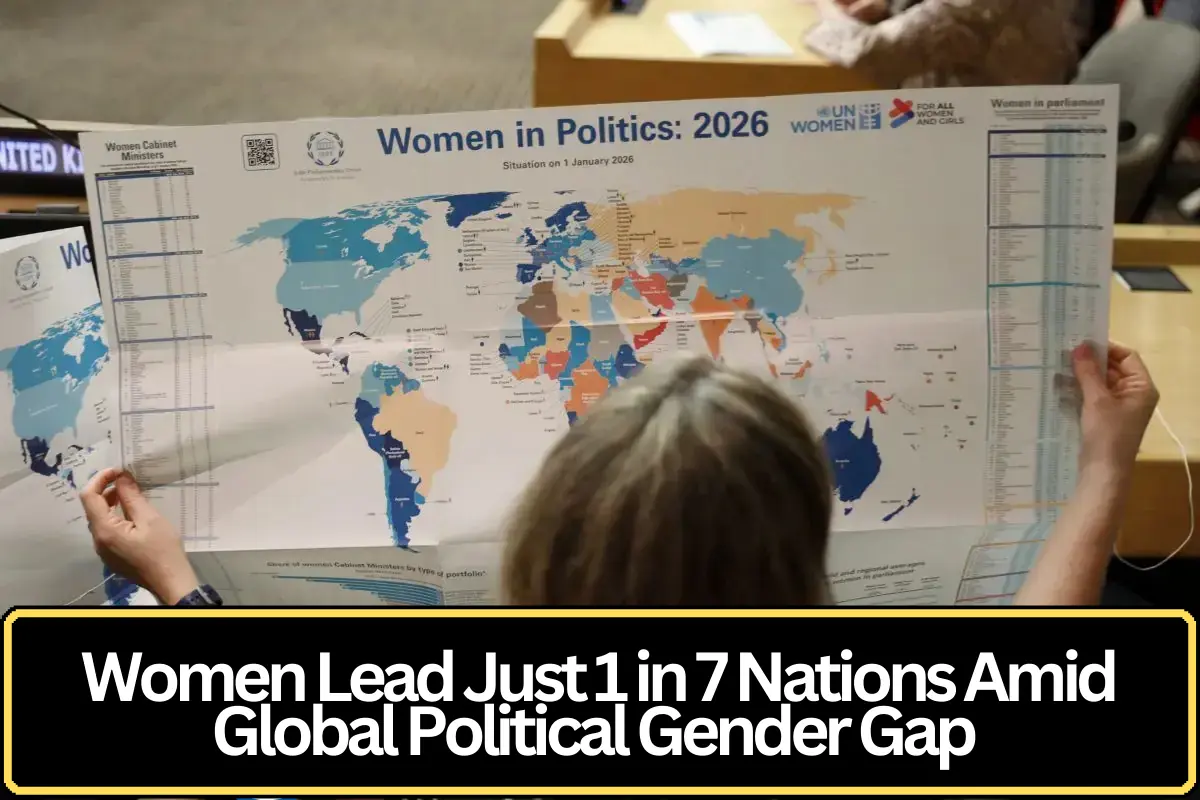
Introduction
Despite decades of advocacy for gender equality and greater representation of women in governance, political leadership across the world continues to be overwhelmingly dominated by men. Recent global data highlights a significant imbalance, showing that only about one in seven countries is currently led by a woman. This statistic has renewed discussions about structural barriers that continue to limit women's participation in top political leadership roles.
The issue of women's representation in political institutions has long been a central concern for policymakers, international organizations, and civil society groups advocating for gender equality. While progress has been made in some areas, the pace of change remains slow, particularly when it comes to the highest levels of political authority such as heads of state and heads of government.
The findings underscore the ongoing challenges women face in accessing political power and highlight the need for sustained efforts to improve gender balance in governance systems worldwide.
Global Landscape of Women in Political Leadership
The current global political landscape reveals that women continue to occupy a relatively small proportion of top leadership positions. While several countries have elected or appointed women as presidents, prime ministers, or other national leaders, these cases remain exceptions rather than the norm.
Across most regions, political power structures remain heavily male-dominated. The limited number of women serving as national leaders reflects broader disparities within political systems, where women often encounter barriers at multiple stages of their political careers.
These barriers can include limited access to political networks, unequal campaign resources, social expectations about leadership roles, and institutional biases within political parties or electoral systems.
As a result, women frequently face a more difficult path when seeking to enter high-level political positions.
Historical Progress and Slow Change
Over the past several decades, global awareness about gender equality in politics has increased significantly. International movements advocating for women's rights have encouraged governments to adopt policies designed to expand women's participation in political decision-making.
Many countries have introduced gender quotas, electoral reforms, and leadership development initiatives aimed at increasing the number of women in political office. These measures have helped improve women's representation in some national parliaments and local government institutions.
However, progress toward gender parity in the highest leadership roles has been slower. Positions such as president or prime minister are often shaped by complex political dynamics that make breakthroughs less frequent.
Political analysts note that structural reforms and cultural shifts are both necessary to accelerate progress in this area.
Barriers to Women's Political Participation
Several factors contribute to the persistent underrepresentation of women in political leadership. One of the most significant barriers is the unequal distribution of political resources. Campaign financing, media access, and political party support are often more readily available to male candidates.
Social expectations and gender stereotypes also play a role. In some societies, leadership roles are still culturally associated with men, which can discourage women from pursuing political careers or reduce voter confidence in female candidates.
In addition, women in politics frequently face higher levels of scrutiny, harassment, and online abuse. Such challenges can create hostile environments that discourage participation and limit opportunities for advancement.
Addressing these barriers requires comprehensive strategies that promote inclusive political systems and protect women participating in public life.
The Importance of Gender Diversity in Leadership
Advocates for gender equality emphasize that increasing women's representation in political leadership is not simply a matter of fairness but also an important factor in improving governance. Diverse leadership teams can bring broader perspectives to policymaking and ensure that government decisions reflect the needs of different segments of society.
Research has shown that women leaders often prioritize issues such as education, healthcare, social welfare, and community development. These priorities can influence national policy agendas and contribute to more balanced approaches to development.
Greater representation of women in leadership can also inspire younger generations to pursue careers in public service, helping build a more inclusive political culture.
Regional Differences in Women's Leadership
The distribution of women in top political positions varies significantly across regions. Some regions have made notable progress, with several countries electing women as heads of government or heads of state in recent years.
Other regions continue to struggle with deeply entrenched political systems where female leadership remains rare. Cultural norms, electoral systems, and party structures can all influence the likelihood of women reaching top positions.
Regional organizations and international institutions have increasingly focused on supporting programs that encourage women's participation in politics. These programs often include leadership training, mentorship networks, and initiatives aimed at strengthening women's political representation.
Role of Political Parties
Political parties play a crucial role in shaping opportunities for women to enter leadership positions. Because parties typically control candidate selection and political campaign structures, their policies can significantly influence gender representation.
Parties that actively promote gender equality may introduce internal quotas, mentorship programs, or recruitment strategies designed to encourage female candidates. These initiatives can help create pathways for women to advance within political organizations.
However, in many countries, party leadership structures remain male-dominated, which can limit opportunities for women to rise to the highest levels of power.
International Advocacy for Gender Equality
International organizations and advocacy groups continue to push for stronger commitments to gender equality in political leadership. Global initiatives promote policies that support women's participation in governance and encourage governments to adopt gender-sensitive reforms.
These initiatives often focus on increasing women's representation at all levels of government, from local councils to national leadership positions. By strengthening women's roles in policymaking, advocates hope to create more inclusive and representative political systems.
International forums and conferences frequently highlight the importance of gender parity in leadership as a key component of sustainable development and democratic governance.
The Role of Education and Leadership Development
Education and leadership development programs are widely viewed as essential tools for expanding women's participation in politics. Training initiatives aimed at young women can help build confidence, leadership skills, and political knowledge.
Mentorship programs connecting experienced political leaders with emerging female candidates can also play a valuable role in supporting career advancement. These networks provide guidance, encouragement, and practical advice for navigating political environments.
By investing in leadership development, governments and organizations can help create stronger pipelines for future female political leaders.
Media Representation and Public Perception
Media coverage plays an influential role in shaping public perceptions of political leaders. When women receive fair and balanced coverage that highlights their qualifications and policy perspectives, it can help normalize female leadership.
However, some studies suggest that women in politics are sometimes portrayed differently from their male counterparts, with greater focus on personal characteristics or appearance rather than policy achievements.
Encouraging responsible and balanced media coverage can therefore contribute to more equitable political representation.
Looking Ahead
The finding that only one in seven countries is led by a woman highlights the significant work still required to achieve gender parity in political leadership. While progress has been made in expanding women's participation in governance, structural and cultural barriers continue to slow advancement.
Experts believe that sustained efforts across multiple sectors will be necessary to address these challenges. Political reforms, educational initiatives, and public awareness campaigns can all contribute to creating more inclusive political environments.
As global discussions about gender equality continue to evolve, many observers hope that future generations will witness greater balance in political leadership and decision-making.
Conclusion
The current global leadership landscape illustrates a persistent gender gap, with women heading only a small proportion of countries worldwide. This imbalance reflects broader inequalities within political systems that limit women's access to top leadership roles.
Addressing these disparities will require long-term commitment from governments, political parties, civil society organizations, and international institutions. By supporting policies that promote gender equality and encouraging inclusive leadership, societies can move closer to achieving balanced representation in political decision-making.
The path toward gender parity in political leadership may be gradual, but continued advocacy and institutional reform have the potential to create more equitable and representative systems of governance in the years ahead.