IFC, Citi Sign R1.6 Billion Facility to Boost South Africa Funding
IFC and Citi sign a 1.6 billion rand facility to expand local currency financing in South Africa, supporting capital markets and private sector growth.
 Tripti Srivastava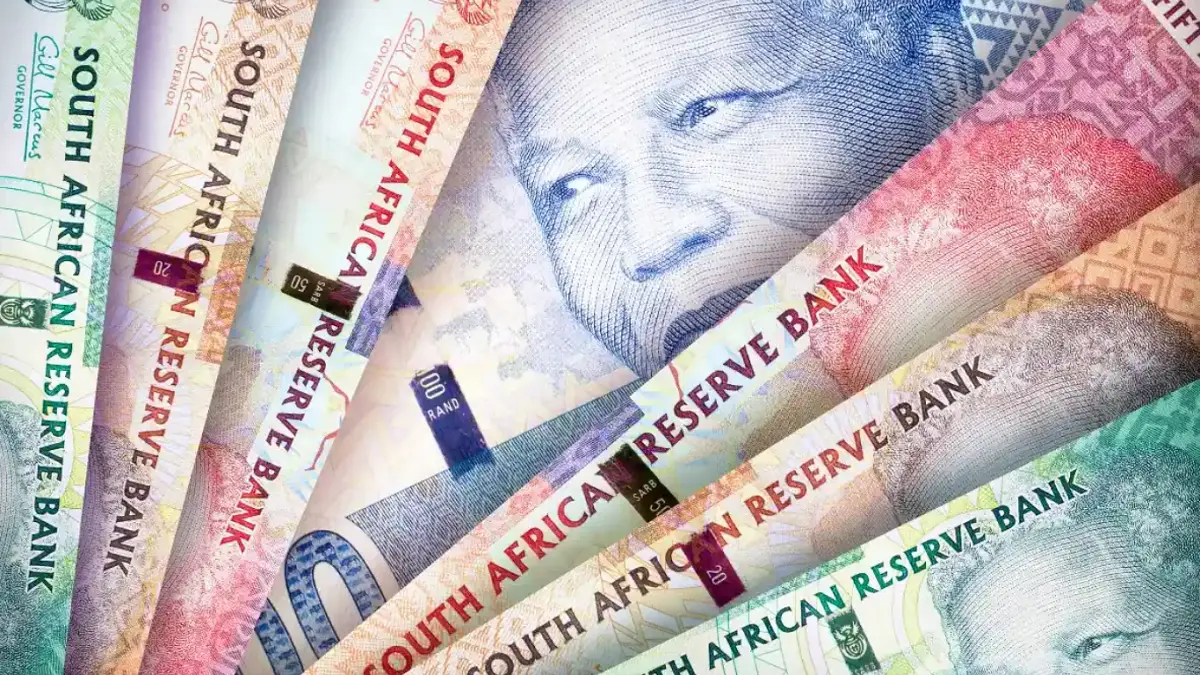
The World Bank Group’s private-sector arm, the International Finance Corporation (IFC), has partnered with Citi to establish a 1.6 billion South African rand borrowing facility aimed at expanding local currency financing in South Africa, a milestone in strengthening capital markets and supporting private sector development.
The agreement enhances IFC’s ability to deploy rand-denominated financing solutions, addressing currency volatility challenges and improving access to funding for businesses operating in the country’s domestic market, according to an official statement.
Facility Expands Local Currency Financing Capacity
The newly signed facility forms part of IFC’s broader strategy to deepen local currency financing across emerging markets. By increasing the availability of domestic currency funding, the initiative aims to reduce reliance on foreign exchange borrowing, which often exposes businesses to exchange rate risks.
The South African rand facility follows a similar arrangement established in Kenyan shillings in 2024, highlighting a scalable model that IFC and Citi plan to replicate across multiple emerging economies.
The partnership underscores a growing focus among development finance institutions on building resilient local capital markets capable of supporting long-term economic growth.
The borrowing facility has already supported IFC’s anchor investment in the Cape Water outcome-based bond issued by FirstRand Bank. The issuance is notable as the first outcome-based bond launched by a commercial bank globally.
This structure connects financial returns to measurable development outcomes and shows a growing trend toward innovative financing instruments that combine capital market activity with social and environmental objectives.
Such instruments are expected to play a larger role in mobilising private capital for infrastructure and sustainability projects, particularly in water and climate resilience sectors.
Focus on Capital Market Development
Local currency financing and capital market development remain central priorities for the World Bank Group in emerging economies. The new facility strengthens financial systems by increasing liquidity and enabling access to funding in domestic currencies.
Currency volatility continues to be a major constraint for private sector growth in developing markets, where fluctuations can significantly impact borrowing costs and investment returns.
By supporting local capital market instruments and funding mechanisms, IFC aims to create a more stable financial environment that encourages investment and job creation.
Over the past decade, IFC has committed more than $33 billion in local currency financing across 71 currencies, demonstrating a sustained push for localised financial solutions.
The facility highlights the role of partnerships between development institutions and global financial firms in advancing innovative financing models. By combining IFC’s development mandate with Citi’s global banking capabilities, the collaboration aims to expand the toolkit available for financing projects in emerging markets.
Officials noted that such partnerships are critical for delivering solutions that include outcome-based bonds and scalable local currency financing frameworks, especially in regions where access to capital is still limited.
The model is expected to be extended to other countries, further strengthening financial inclusion and supporting infrastructure and private sector investments.
Strengthening South Africa’s Financial Ecosystem
The introduction of the rand-denominated facility is expected to contribute to the deepening of South Africa’s capital markets by increasing the availability of domestic financing instruments.
Enhanced access to local currency funding can help businesses mitigate foreign exchange risks, improve financial planning, and support long-term investments in key sectors.
The initiative also aligns with broader efforts to promote sustainable finance and strengthen resilience in emerging economies facing economic and climate-related challenges.
As IFC and Citi continue to expand similar financing structures, the focus remains on creating scalable solutions that bridge funding gaps while supporting economic development and financial stability in global markets.