India Pushes District-Level HIV Action Plan, Targets Epidemic Control by 2027
India is intensifying district-level HIV interventions to achieve epidemic control by 2027, focusing on targeted action, testing, and treatment expansion.
 Akanksha jain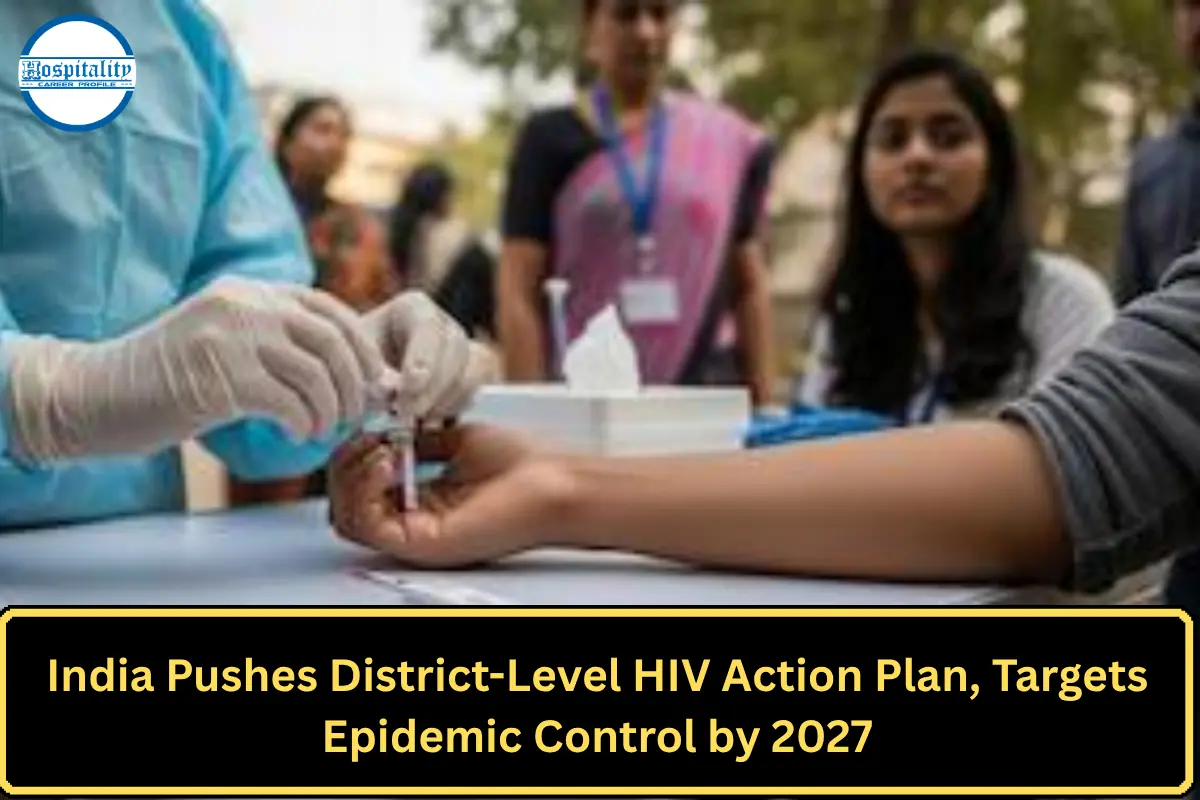
India Pushes District-Level HIV Action Plan, Targets Epidemic Control by 2027
The Government of India is intensifying efforts to control the HIV epidemic by implementing district-level action plans, with a national target of achieving epidemic control by 2027, officials said in March 2027. The strategy focuses on localized interventions, expanded testing, and improved treatment access to reduce new infections and improve patient outcomes across the country.
The initiative is being driven through targeted programs in high-burden districts, where authorities aim to strengthen surveillance, prevention, and care services. Health officials said the shift toward district-level planning is designed to address regional disparities and ensure more effective implementation of HIV control measures.
Localized Strategy to Address Regional Variations
India’s HIV epidemic shows significant variation across states and districts, with certain regions reporting higher prevalence rates. The government’s new approach emphasizes decentralization, enabling district administrations to design and execute interventions tailored to local needs.
Officials said that district-level planning allows for better identification of at-risk populations, including key groups that are disproportionately affected. By focusing resources on high-priority areas, the program aims to achieve faster and more measurable progress.
This localized model is expected to improve coordination between health departments, community organizations, and other stakeholders involved in HIV prevention and care.
Focus on Testing and Early Detection
Expanding HIV testing is a central component of the strategy, with authorities aiming to identify undiagnosed cases and link individuals to treatment at an earlier stage. Increased testing coverage is expected to reduce transmission rates by ensuring timely intervention.
Health officials are promoting a range of testing approaches, including community-based testing, mobile units, and facility-based services. Efforts are also being made to integrate HIV testing into broader healthcare services to improve accessibility.
Early detection is critical in managing HIV effectively, as it allows patients to begin treatment sooner and reduces the risk of onward transmission.
Strengthening Treatment and Care Services
The government is also focusing on expanding access to antiretroviral therapy (ART), which is essential for controlling HIV and improving the quality of life for those living with the virus. Ensuring consistent availability of medications and strengthening treatment infrastructure are key priorities.
Officials said efforts are underway to improve retention in care, as maintaining long-term adherence to treatment is crucial for achieving viral suppression. Community support programs and patient follow-up systems are being enhanced to address this challenge.
Improved treatment coverage is expected to play a significant role in reducing HIV-related morbidity and mortality.
Prevention Efforts Target High-Risk Groups
Prevention strategies under the district-level action plan are focused on high-risk populations, including individuals with increased vulnerability to HIV infection. These efforts include awareness campaigns, condom distribution, and targeted outreach programs.
Authorities are also working to address social and structural factors that contribute to HIV transmission, such as stigma, discrimination, and limited access to healthcare services. Community engagement is seen as a critical element in overcoming these barriers.
Public health experts emphasize that sustained prevention efforts are essential to achieving long-term epidemic control.
Integration with Broader Health Systems
The HIV action plan is being integrated with broader healthcare initiatives to improve efficiency and reach. Officials said that aligning HIV services with primary healthcare systems can enhance service delivery and reduce duplication of efforts.
Integration also allows for better management of co-infections and related health conditions, such as tuberculosis, which often affects individuals living with HIV. Coordinated care is expected to improve overall health outcomes.
Digital health tools and data systems are being used to track progress and support decision-making at the district level.
Monitoring Progress Toward 2027 Target
The government has set measurable targets to track progress toward epidemic control by 2027. These include reducing new infections, increasing testing coverage, and achieving high levels of viral suppression among patients on treatment.
Regular monitoring and evaluation will be conducted to assess the effectiveness of interventions and identify areas requiring additional focus. Data-driven decision-making is expected to play a key role in achieving the desired outcomes.
Officials said that continuous feedback from districts will help refine strategies and ensure that resources are allocated efficiently.
Challenges and Implementation Hurdles
Despite the ambitious goals, experts note that several challenges remain, including resource constraints, healthcare infrastructure gaps, and social stigma associated with HIV. Addressing these issues will be critical to the success of the program.
Ensuring consistent funding, training healthcare workers, and strengthening community outreach are among the priorities identified by policymakers. Collaboration with non-governmental organizations and international partners is also expected to support implementation.
Overcoming these challenges will require sustained commitment and coordinated efforts across multiple sectors.
Public Health Impact and Future Outlook
If successful, the district-level HIV action plan could significantly reduce the burden of HIV in India and improve health outcomes for millions of people. Achieving epidemic control by 2027 would mark a major milestone in the country’s public health efforts.
Experts believe that the localized approach could serve as a model for addressing other public health challenges, demonstrating the effectiveness of targeted interventions and community-based strategies.
Continued investment in prevention, testing, and treatment will be essential to sustaining progress and preventing a resurgence of the epidemic.
Conclusion
India’s push for district-level HIV action reflects a strategic shift toward localized, data-driven interventions, with authorities aiming to achieve epidemic control by 2027 through expanded testing, treatment, and prevention efforts.