India Health Sector Sees Rising Focus on Preventive Care and Digital Innovation: Report
India’s healthcare sector is witnessing increased focus on preventive care and digital innovation, with experts highlighting trends shaping the future of health services.
 Akanksha jain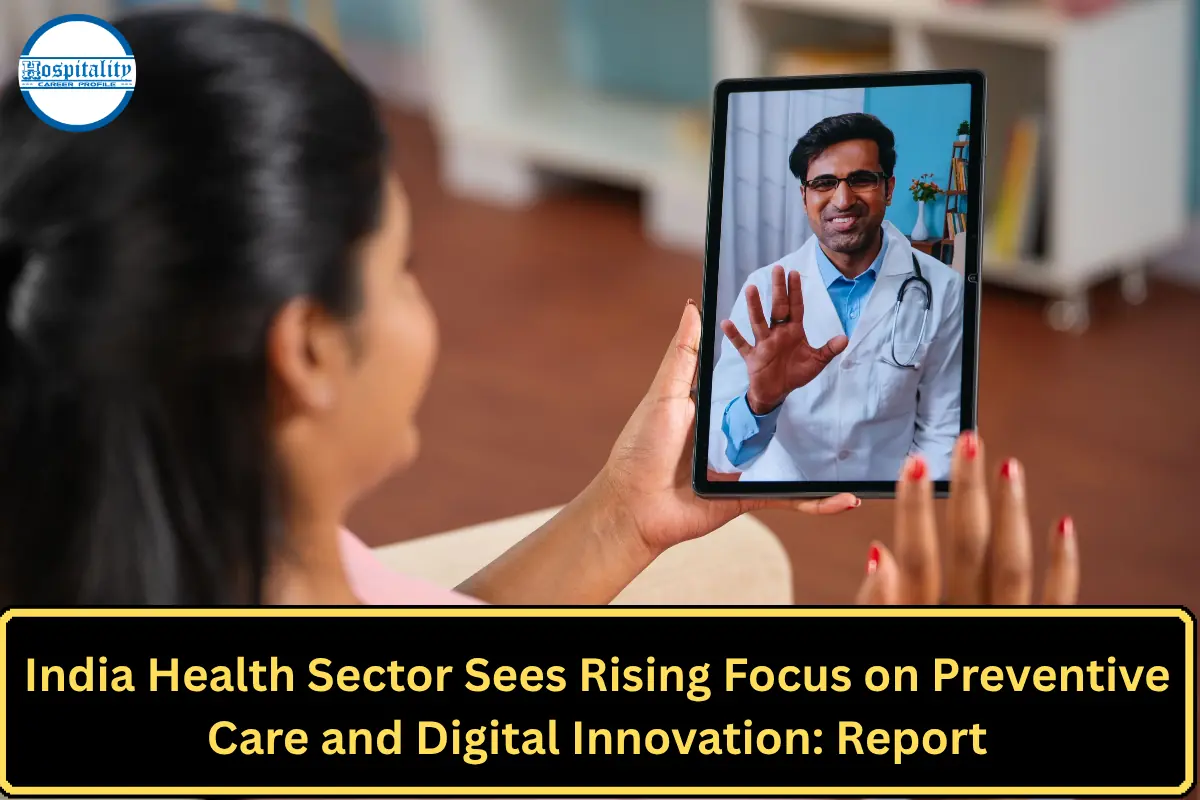
India Health Sector Sees Rising Focus on Preventive Care and Digital Innovation: Report
India’s healthcare sector is undergoing a significant transformation in 2026, with increasing emphasis on preventive care, digital innovation, and technology-driven healthcare delivery, according to recent industry developments and expert observations. The shift reflects growing demand for accessible, efficient, and proactive health services across the country.
Healthcare providers, policymakers, and technology firms are investing in solutions aimed at improving early diagnosis, expanding access to care, and enhancing patient outcomes. The trend is being driven by rising awareness of chronic diseases, changing patient expectations, and the need to strengthen healthcare infrastructure.
Shift Toward Preventive Healthcare
One of the most notable trends in India’s health sector is the growing focus on preventive care. Medical experts are increasingly advocating for early screening, lifestyle interventions, and routine health monitoring to reduce the burden of chronic diseases such as diabetes, cardiovascular conditions, and hypertension.
Preventive healthcare is gaining traction as a cost-effective approach to managing public health challenges. By identifying risks early and promoting healthier lifestyles, healthcare systems aim to reduce hospitalizations and long-term treatment costs.
Employers and insurers are also encouraging preventive measures, offering wellness programs and health check-ups as part of broader efforts to improve population health.
Digital Health Driving Transformation
Digital innovation is playing a central role in reshaping healthcare delivery in India. Telemedicine platforms, mobile health applications, and artificial intelligence tools are being widely adopted to bridge gaps in access, particularly in rural and underserved areas.
Teleconsultations have become increasingly common, allowing patients to connect with healthcare providers without the need for physical visits. This has improved convenience and expanded reach, especially for individuals with limited access to medical facilities.
Artificial intelligence is being used to assist in diagnostics, predict disease risks, and streamline administrative processes, enhancing efficiency across the healthcare system.
Expansion of Healthcare Infrastructure
Alongside digital advancements, India is witnessing continued investment in healthcare infrastructure. Both public and private sectors are working to expand hospital networks, diagnostic centers, and specialized treatment facilities to meet growing demand.
Government initiatives aimed at strengthening primary healthcare and improving access to essential services are contributing to this expansion. Private sector players are also investing in advanced medical technologies and high-quality care delivery.
The combined efforts are expected to improve healthcare accessibility and reduce disparities between urban and rural regions.
Rising Burden of Lifestyle Diseases
The increasing prevalence of lifestyle-related diseases remains a major concern for India’s healthcare system. Sedentary lifestyles, unhealthy diets, and rising stress levels have contributed to a surge in conditions such as obesity, diabetes, and cardiovascular disease.
Healthcare providers are responding by promoting awareness campaigns and encouraging healthier habits among the population. Preventive care strategies are being integrated into routine healthcare services to address these challenges more effectively.
Experts emphasize that addressing lifestyle factors is critical to reducing the long-term burden on the healthcare system.
Role of Technology in Patient Care
Technology is enhancing patient care through improved diagnostics, remote monitoring, and personalized treatment plans. Wearable devices and health tracking tools are enabling individuals to monitor vital signs and manage their health more proactively.
Electronic health records and data analytics are also being used to improve coordination among healthcare providers and ensure continuity of care. These innovations are helping to create more efficient and patient-centered healthcare systems.
The integration of technology is expected to continue evolving, with further advancements anticipated in the coming years.
Challenges Facing the Sector
Despite these advancements, the healthcare sector in India faces several challenges, including disparities in access, workforce shortages, and affordability concerns. Rural areas, in particular, continue to experience limited access to quality healthcare services.
Ensuring equitable access to digital health solutions and addressing infrastructure gaps remain key priorities for policymakers and industry stakeholders. Efforts are also needed to strengthen regulatory frameworks and ensure data privacy and security.
Experts note that sustained investment and policy support will be essential to overcoming these challenges and achieving long-term improvements in healthcare delivery.
Government Initiatives and Policy Support
The Indian government has introduced various initiatives aimed at strengthening the healthcare system and promoting digital health adoption. Programs focused on expanding insurance coverage, improving primary care, and supporting innovation are contributing to sector growth.
Public-private partnerships are also playing a role in advancing healthcare infrastructure and technology adoption. Collaboration between stakeholders is seen as a key factor in driving progress and addressing systemic challenges.
Policy support is expected to continue shaping the future of healthcare in India, with a focus on sustainability and inclusivity.
Future Outlook for Healthcare in India
The outlook for India’s healthcare sector remains positive, with continued growth expected in both traditional and digital healthcare services. The integration of technology, combined with a stronger focus on prevention, is likely to redefine how healthcare is delivered and accessed.
Experts believe that innovation, investment, and collaboration will be critical in shaping the next phase of healthcare development. As the sector evolves, patient-centric approaches and data-driven decision-making are expected to become increasingly important.
The ongoing transformation reflects a broader shift toward more efficient, accessible, and sustainable healthcare systems in India.
Conclusion
India’s healthcare sector is at a pivotal moment, with preventive care and digital innovation emerging as key drivers of change. As stakeholders continue to invest in technology and infrastructure, the focus remains on improving access, enhancing quality, and addressing the evolving health needs of the population.
The sector’s progress will depend on sustained efforts to overcome challenges and ensure that advancements benefit all segments of society, as India works toward building a more resilient and inclusive healthcare system.