India’s LPG Supply Chain Faces Pressure as Import Dependence and Shipping Bottlenecks Raise Energy Security Concerns
India’s growing dependence on imported LPG and narrow maritime supply routes is raising concerns about energy security as demand for cooking gas continues to increase across the country.
 SANJANA DUTTA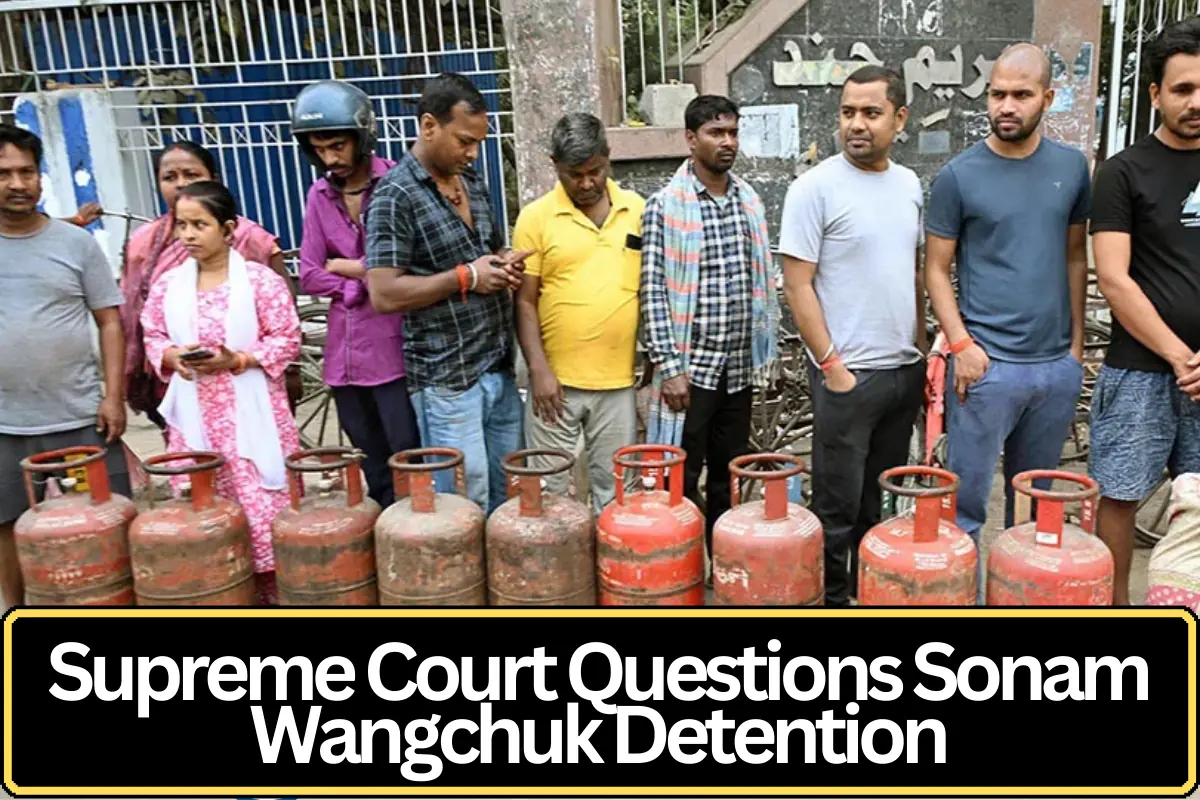
India’s LPG Supply Chain Under Pressure Amid Rising Demand and Import Dependence
India’s supply chain for liquefied petroleum gas (LPG) is facing growing pressure as rising domestic demand and heavy dependence on imports expose vulnerabilities in the country’s energy logistics network. Analysts and policymakers have increasingly highlighted the risks associated with transporting millions of LPG cylinders across a supply chain that depends on a limited number of maritime routes and international suppliers. The concerns come as LPG remains a key household fuel for cooking across India, serving hundreds of millions of consumers.
The country’s LPG consumption has expanded rapidly over the past decade, driven by government initiatives promoting clean cooking fuel and wider access to subsidized gas connections. As more households shift from traditional fuels such as firewood and coal to LPG, India’s reliance on international imports has grown significantly. This dependence has placed pressure on supply chains that must move large volumes of LPG from global markets to domestic bottling plants and distribution networks.
Rapid Growth in LPG Consumption
LPG has become one of the most widely used cooking fuels in India, particularly following policy initiatives aimed at expanding access to clean energy. Government programs promoting household LPG connections have encouraged millions of families to adopt cooking gas as an alternative to biomass fuels.
The expansion of LPG usage has helped improve public health and environmental conditions by reducing indoor air pollution associated with traditional cooking methods. However, the rapid growth in consumption has also increased the scale of supply required to meet domestic demand.
India now consumes tens of millions of tonnes of LPG annually, with a substantial portion imported from international markets. Domestic production alone is insufficient to meet the growing requirements of households and commercial users, making imports an essential part of the country’s energy supply.
Dependence on International LPG Markets
A large share of India’s LPG supply originates from overseas producers, particularly from the Middle East and other major energy-exporting regions. Tanker shipments carry liquefied gas to Indian ports, where it is transferred to storage facilities before being distributed through the country’s network of bottling plants.
This reliance on global markets means that supply conditions in India are influenced by international production trends, shipping capacity, and geopolitical developments affecting major energy producers. Any disruption in exporting regions or shipping routes can potentially affect the availability of LPG supplies.
Energy analysts note that while international trade enables India to meet domestic demand, it also introduces exposure to fluctuations in global energy markets and logistical challenges related to long-distance transportation.
Strategic Importance of Maritime Routes
Much of the LPG imported by India travels through key maritime corridors that connect energy-exporting regions with Asian markets. Among the most important of these is the Strait of Hormuz, a narrow waterway that serves as a vital transit route for oil and gas shipments from the Persian Gulf.
Large numbers of energy tankers pass through this route each day carrying crude oil, liquefied natural gas, and LPG. Because the strait is relatively narrow and heavily trafficked, any disruption or tension affecting navigation through the area can have immediate implications for energy supply chains.
For India, which relies on shipments from producers located west of the subcontinent, the safe and uninterrupted functioning of this shipping corridor is critical to ensuring a stable flow of LPG imports.
Supply Chain Logistics Inside India
Once LPG shipments reach Indian ports, the fuel enters a complex domestic logistics system designed to deliver gas to consumers across the country. Import terminals receive bulk shipments, which are then transported to bottling plants where the fuel is filled into cylinders for household distribution.
The bottled cylinders are subsequently transported by road and rail to regional distribution centers before reaching consumers through local dealerships. This multi‑stage supply chain must operate efficiently to ensure that millions of households receive their cooking gas without delays.
Because LPG is primarily distributed in cylinders rather than through pipelines, the logistics involved in filling, transporting, and replacing these containers require significant coordination and infrastructure.
Challenges Facing the Distribution System
Despite the scale of India’s LPG distribution network, the system faces logistical challenges that become more visible during periods of supply stress. These challenges include transportation delays, infrastructure limitations, and fluctuations in import volumes.
Rapid demand growth has increased the number of cylinders that must be transported daily, placing additional strain on storage facilities, bottling plants, and distribution fleets. Seasonal variations in demand can also affect the balance between supply and consumption.
In addition, global energy price movements can influence the cost of LPG imports, creating economic pressures for both suppliers and policymakers responsible for maintaining stable domestic prices.
Energy Security Considerations
The dependence on imported LPG has prompted discussions about energy security and the need for diversified supply sources. Policymakers and energy experts emphasize the importance of ensuring that supply chains remain resilient even during geopolitical or market disruptions.
Some analysts argue that expanding domestic storage capacity and strengthening infrastructure could help mitigate potential supply shocks. Strategic reserves and improved logistics planning are often cited as measures that could support supply stability.
At the same time, diversifying import sources and expanding supplier relationships may also reduce reliance on a limited number of export regions.
Role of Government Policy
Government initiatives have played a central role in expanding LPG usage across India. Programs designed to increase access to clean cooking fuel have significantly expanded the number of households connected to the LPG distribution network.
These initiatives have been widely recognized for their contribution to public health and environmental goals. However, the growth in demand generated by these programs has also required continuous expansion of supply infrastructure and import capacity.
Policymakers therefore face the challenge of balancing the social benefits of widespread LPG access with the logistical and economic demands associated with maintaining supply.
Global Market Factors
International LPG markets are influenced by a variety of factors, including energy production levels, global economic conditions, and geopolitical developments. Changes in production output from major exporting countries can affect global availability and pricing.
Shipping capacity and transportation costs also play a role in determining how efficiently LPG can be moved between producing and consuming regions. When supply chains face disruptions or bottlenecks, importing countries may experience temporary shortages or price volatility.
For countries such as India, which rely heavily on imported LPG, developments in international markets remain an important factor in maintaining stable domestic supply.
Efforts to Strengthen Supply Stability
Energy planners and industry stakeholders continue exploring ways to strengthen the resilience of India’s LPG supply chain. Measures under consideration include improving port infrastructure, expanding storage facilities, and enhancing transportation networks.
Technological improvements in logistics management and monitoring systems may also help optimize distribution and reduce delays in the delivery of cylinders to consumers. These efforts aim to ensure that the growing demand for cooking gas can be met without significant supply disruptions.
Long-term planning for energy security often involves balancing import dependence with domestic capacity building and infrastructure expansion.
Current Situation
India’s LPG supply system continues to function through a combination of international imports and an extensive domestic distribution network. However, rising demand and reliance on narrow shipping routes are highlighting vulnerabilities that policymakers and industry experts say must be addressed to ensure long-term energy security and uninterrupted supply for millions of households.