India’s Pharmaceutical Sector Sees Regulatory Push to Strengthen Drug Quality and Compliance
India’s pharmaceutical sector is witnessing a regulatory push aimed at improving drug quality, strengthening compliance, and enhancing global credibility.
 Akanksha jain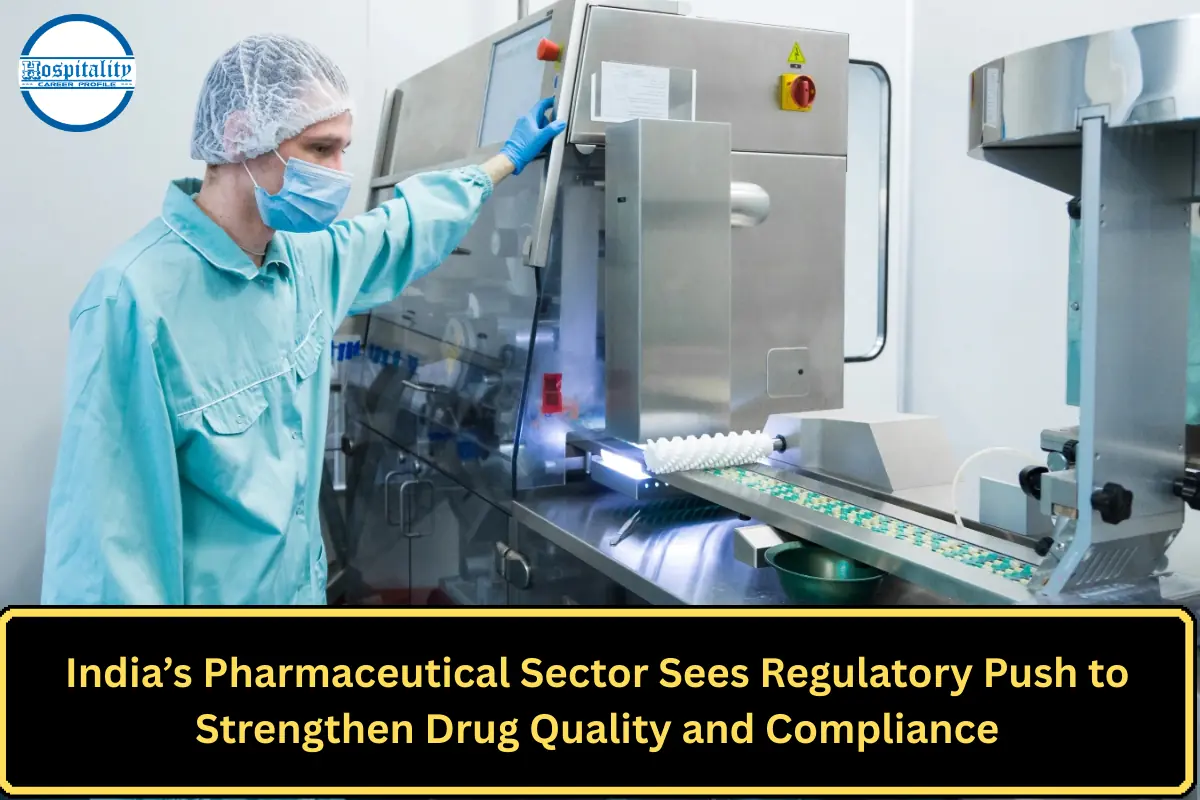
India’s Pharmaceutical Sector Sees Regulatory Push to Strengthen Drug Quality and Compliance
India’s pharmaceutical sector is undergoing a renewed regulatory push to strengthen drug quality and ensure compliance with global standards, as authorities intensify oversight across manufacturing units, industry officials said in March 2026. The move comes amid growing concerns over quality control, export standards, and the need to maintain India’s position as a major global supplier of medicines.
Regulators are focusing on stricter enforcement of manufacturing practices, enhanced inspections, and improved monitoring systems to address gaps in compliance. The initiative aims to ensure that pharmaceutical products meet both domestic safety requirements and international quality benchmarks, particularly as India continues to expand its presence in global markets.
Focus on Quality and Global Standards
The latest regulatory efforts are centered on improving adherence to Good Manufacturing Practices (GMP), which are critical for ensuring the safety, quality, and efficacy of drugs. Authorities are increasing inspections of pharmaceutical facilities to identify deficiencies and enforce corrective actions.
Industry experts note that maintaining high-quality standards is essential for sustaining exports, especially to regulated markets such as the United States and Europe. Any lapses in compliance can lead to import restrictions, product recalls, and reputational damage for manufacturers.
The push for stronger quality controls is also aimed at boosting confidence among global buyers and regulatory agencies, reinforcing India’s role as a reliable supplier of affordable medicines.
Regulatory Measures and Enforcement
Authorities have introduced a series of measures to improve compliance, including more frequent inspections, stricter penalties for violations, and enhanced documentation requirements. Companies are being required to upgrade their manufacturing processes and adopt advanced quality assurance systems.
Digital tools are also being deployed to track production, monitor supply chains, and ensure transparency in operations. These measures are expected to reduce the risk of substandard or counterfeit drugs entering the market.
Officials say that the focus is not only on enforcement but also on capacity building, with training programs and guidance provided to manufacturers to help them meet regulatory expectations.
Impact on Pharmaceutical Companies
The increased regulatory scrutiny is likely to have a significant impact on pharmaceutical companies, particularly smaller firms that may face challenges in upgrading infrastructure and processes. Compliance costs are expected to rise as companies invest in modern equipment, skilled personnel, and quality management systems.
However, industry leaders believe that the long-term benefits of improved quality standards will outweigh the short-term costs. Enhanced compliance can open up new export opportunities and strengthen the competitiveness of Indian pharmaceutical companies in global markets.
Companies that successfully align with international standards are expected to gain a strategic advantage, while those failing to meet requirements may face operational disruptions.
Addressing Past Concerns
The regulatory push follows increased scrutiny of drug quality in recent years, including instances where Indian pharmaceutical products faced quality-related issues in international markets. These incidents prompted calls for stronger oversight and more rigorous enforcement of standards.
Authorities are aiming to address these concerns by implementing systemic reforms that improve accountability and ensure consistent quality across the industry. Strengthening regulatory frameworks is seen as critical to preventing future lapses and maintaining trust among stakeholders.
Experts emphasize that proactive measures are necessary to safeguard public health and protect the reputation of the pharmaceutical sector.
Role of Technology and Innovation
Technology is playing an increasingly important role in improving compliance and quality assurance. Pharmaceutical companies are adopting automation, data analytics, and digital monitoring systems to enhance precision and efficiency in manufacturing processes.
These technologies enable real-time tracking of production parameters, early detection of deviations, and better documentation, reducing the risk of errors and non-compliance. Regulators are also encouraging the use of digital platforms to streamline reporting and inspections.
The integration of technology is expected to transform the industry, making it more resilient and capable of meeting evolving regulatory requirements.
Balancing Growth and Compliance
India’s pharmaceutical industry is one of the largest in the world, known for its ability to produce high-quality generic medicines at competitive prices. As the sector continues to grow, balancing expansion with strict compliance remains a key challenge.
Industry stakeholders stress the importance of aligning growth strategies with regulatory expectations to ensure sustainable development. Investments in quality infrastructure and workforce training are considered essential for achieving this balance.
Policymakers are also working to create an environment that supports both innovation and compliance, enabling companies to scale operations without compromising on quality.
Public Health Implications
Ensuring drug quality is critical for public health, as substandard or ineffective medicines can lead to treatment failures, adverse effects, and increased healthcare costs. Strengthened regulatory oversight is expected to improve patient safety and outcomes.
In the domestic market, improved compliance can enhance trust in healthcare systems and ensure that patients receive safe and effective treatments. For export markets, it reinforces India’s credibility as a global pharmaceutical hub.
Experts highlight that a robust regulatory framework is essential for addressing emerging health challenges and supporting the development of new therapies.
Future Outlook
The ongoing regulatory push is expected to drive significant changes in India’s pharmaceutical sector, with a greater emphasis on quality, transparency, and accountability. Companies that adapt to these changes are likely to benefit from improved market access and stronger global positioning.
As enforcement measures continue to evolve, collaboration between regulators and industry players will be crucial in ensuring smooth implementation and achieving desired outcomes.
For now, the sector remains under close regulatory watch as authorities work to strengthen standards and enhance the overall integrity of India’s pharmaceutical industry.