Indian Political Class Urged to Unite on Iran War Amid Rising Global Tensions
An opinion piece calls for India’s political class to come together on the Iran war, urging bipartisan consensus amid escalating global tensions.
 SANJANA DUTTA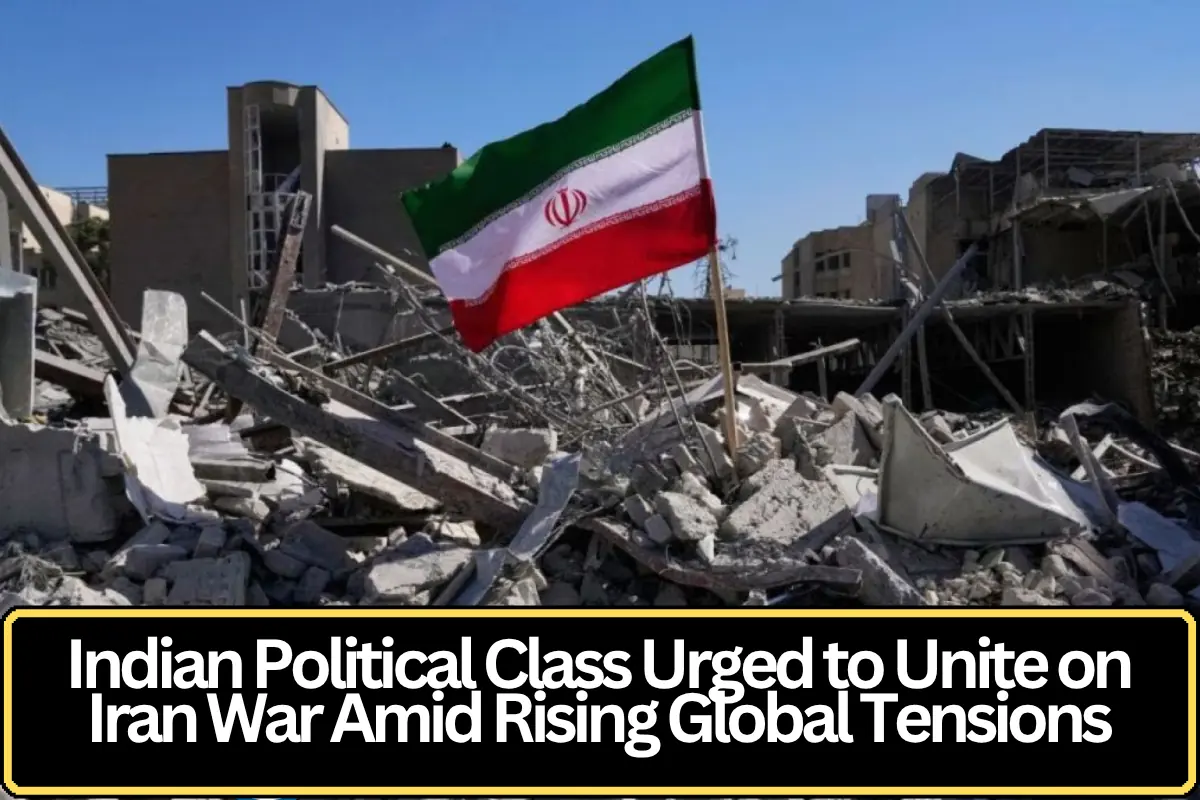
Call for Political Consensus on Iran War
An opinion article has called on India’s political leadership to adopt a unified stance on the ongoing Iran war, emphasizing the need for bipartisan cooperation in addressing the geopolitical and economic implications of the conflict. The appeal comes at a time when tensions in West Asia are escalating and global powers are increasingly drawn into the crisis.
The commentary highlights that India, as a major global player with significant economic and strategic interests, cannot afford internal divisions on critical foreign policy matters. It argues that a coordinated approach between the ruling party and opposition is essential to safeguard national interests and maintain diplomatic balance.
Rising Stakes in the Iran Conflict
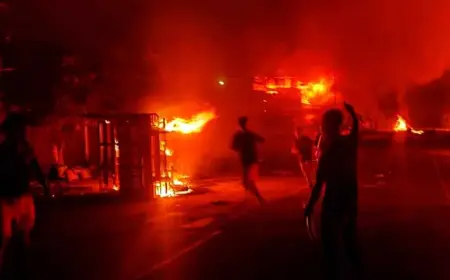
The Iran war has intensified in recent weeks, involving direct military actions and raising concerns over regional stability. The conflict has drawn attention due to its potential to disrupt global energy supplies, impact international trade routes, and escalate into a broader confrontation involving multiple nations.
For India, the stakes are particularly high given its dependence on energy imports and its longstanding ties with countries across West Asia. Any prolonged disruption in the region could have far-reaching consequences for the country’s economy, including increased fuel prices and supply uncertainties.
The article underscores that India’s response to the crisis must be carefully calibrated, balancing its strategic partnerships with the need to protect domestic economic interests.
Need for Bipartisan Engagement
The opinion piece stresses that foreign policy issues of this magnitude require a collective approach that transcends political differences. It calls on the ruling party to actively engage with opposition leaders, fostering dialogue and consensus on key decisions related to the conflict.
Such an approach, it argues, would not only strengthen India’s position on the global stage but also send a signal of political maturity and stability. The ability to present a unified front is seen as crucial in navigating complex international challenges.
At the same time, the opposition is urged to adopt a constructive role, focusing on national interests rather than partisan considerations. The commentary suggests that mutual cooperation can enhance the effectiveness of policy responses and ensure continuity in decision-making.
Historical Context of Political Unity
India has, in the past, demonstrated the ability to achieve political consensus on major national issues, particularly in matters of foreign policy and security. Instances of cross-party support during times of crisis have contributed to a more coherent and effective national response.
The article draws parallels with earlier situations where unity among political stakeholders helped navigate complex challenges. It suggests that similar cooperation is needed in the current context to address the multifaceted implications of the Iran war.
However, it also acknowledges that achieving such consensus can be challenging in a highly competitive political environment, where differences in ideology and approach often lead to divergent positions.
Economic Implications for India
The potential economic impact of the Iran conflict is a key concern highlighted in the opinion piece. Rising oil prices, disruptions in shipping routes, and increased geopolitical uncertainty could pose significant challenges for India’s growth trajectory.
Experts have warned that volatility in global energy markets could lead to inflationary pressures, affecting both consumers and businesses. In addition, uncertainties in international trade could impact exports and overall economic stability.
The article emphasizes that a unified political approach can help in formulating effective strategies to mitigate these risks, including diversifying energy sources and strengthening economic resilience.
Diplomatic Balancing Act
India’s foreign policy has traditionally been characterized by strategic autonomy, allowing it to maintain relationships with multiple global powers. In the context of the Iran war, this approach becomes even more critical.
The opinion piece notes that India must navigate a complex diplomatic landscape, balancing its ties with Western nations, regional partners, and Iran itself. A divided political stance could complicate these efforts and weaken the country’s negotiating position.
By contrast, a unified approach would provide greater clarity and consistency in India’s diplomatic engagements, enhancing its credibility on the international stage.
Role of Parliament and Public Discourse
The article also highlights the importance of parliamentary debate and informed public discourse in shaping India’s response to the Iran conflict. It calls for transparent discussions that allow different perspectives to be considered while ultimately converging on a cohesive strategy.
Engaging the public and stakeholders in meaningful dialogue can contribute to a better understanding of the challenges and the rationale behind policy decisions. This, in turn, can build public support for necessary measures.
The role of the media in facilitating informed debate is also emphasized, with the need for balanced and factual reporting on the evolving situation.
Challenges to Achieving Unity
Despite the clear benefits of political consensus, the article acknowledges several challenges that may hinder such efforts. These include partisan rivalries, differing policy priorities, and the pressures of electoral politics.
The competitive nature of India’s political landscape often leads to sharp divisions, making it difficult to achieve agreement on contentious issues. However, the commentary argues that the gravity of the current situation warrants a departure from usual political practices.
It suggests that leaders must rise above immediate political considerations and focus on long-term national interests, particularly in matters of international significance.
Global Perspective and India’s Role
The Iran war has broader implications for global security and economic stability, with many countries closely monitoring developments. As one of the world’s largest economies and a key player in international forums, India’s stance is likely to influence regional and global dynamics.
The article points out that a unified political position would enhance India’s ability to contribute constructively to international efforts aimed at de-escalation and conflict resolution. It would also reinforce the country’s image as a responsible global actor.
In this context, the importance of strategic foresight and coordinated decision-making cannot be overstated.
Way Forward for Indian Leadership
The opinion piece concludes by urging India’s political leaders to prioritize national interest over partisan divides. It calls for proactive engagement, inclusive decision-making, and a commitment to consensus-building in addressing the challenges posed by the Iran war.
By working together, the ruling party and opposition can develop a comprehensive strategy that addresses both immediate concerns and long-term implications. Such an approach is seen as essential for ensuring stability and resilience in an increasingly uncertain global environment.
The article emphasizes that the current situation presents an opportunity for India’s political class to demonstrate unity and leadership, setting an example for other nations facing similar challenges.
Conclusion
The call for political unity underscores the importance of collective action in navigating the complexities of the Iran war and its global repercussions.
Current Status
Discussions around India’s response to the Iran conflict continue as political leaders assess the evolving situation and its implications for the country’s strategic and economic interests.