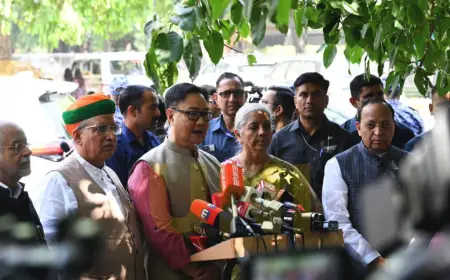
International Women’s Day 2026: Reflecting on Europe’s History and the Power of Women
International Women’s Day 2026 highlights Europe’s history of women’s struggles and achievements while emphasising the continued push for equality and empowerment.
 SANJANA DUTTA
International Women’s Day Observed Across Europe
International Women’s Day 2026 is being marked across Europe with events, discussions, and campaigns highlighting both the historic struggles and achievements of women. The day serves as a moment to celebrate progress while reinforcing the ongoing commitment to gender equality and women’s empowerment.
Across European countries, governments, advocacy groups, and community organisations are holding public events that focus on women’s rights, leadership, and social contributions. The observance is widely recognised as an opportunity to reflect on how far societies have come while addressing the challenges that remain.
International Women’s Day, observed annually on March 8, continues to unite people around the world in recognising the achievements and rights of women.
Europe’s Historical Struggles for Women’s Rights
The history of women’s rights movements in Europe spans more than a century, shaped by campaigns for voting rights, access to education, workplace equality, and political representation.
Women across the continent played significant roles in social movements that transformed legal and social structures. From early suffrage campaigns to modern equality initiatives, European societies have witnessed long‑standing efforts to secure rights and opportunities for women.
These movements helped establish important legal reforms that expanded rights for women in areas such as employment, property ownership, and political participation.
Influence of Early Women’s Movements
Early feminist movements across Europe played a crucial role in challenging traditional social norms. Activists and reformers organised demonstrations, public campaigns, and advocacy initiatives aimed at achieving equal rights.
The success of these movements gradually led to major political milestones, including women gaining the right to vote in many European countries during the 20th century.
These achievements laid the foundation for later generations to continue pushing for equality in different areas of society.
Women’s Leadership in Modern Europe
Today, women across Europe are increasingly visible in leadership roles in politics, business, science, and culture. Many countries have seen significant progress in improving representation and expanding opportunities for women.
European institutions and governments frequently promote initiatives designed to strengthen gender equality in the workplace and public life. Programs aimed at supporting women entrepreneurs, increasing representation in political institutions, and improving access to education have become key priorities.
Despite this progress, advocates say there is still work to be done to address issues such as wage gaps, underrepresentation in leadership roles, and gender‑based discrimination.
Economic and Social Contributions
Women’s participation in the workforce and public life has been widely recognised as an important driver of economic and social development across Europe. Studies often highlight how inclusive policies and equal opportunities can strengthen innovation, productivity, and social stability.
As a result, many policy discussions focus on removing barriers that prevent women from fully participating in economic and political systems.
International Women’s Day as a Call to Action
While International Women’s Day celebrates achievements, it also serves as a reminder that gender equality has not yet been fully achieved. Advocacy groups across Europe continue to campaign for stronger protections against discrimination and violence.
Discussions held during the day frequently emphasise the need for continued reforms in areas such as workplace equality, parental leave policies, and political representation.
Campaigns also encourage individuals and institutions to support initiatives that promote women’s empowerment and equal opportunities.
Events and Campaigns Across the Continent
Public gatherings, conferences, cultural events, and educational programs are being organised across Europe to mark International Women’s Day. These events often highlight women’s achievements in various sectors while encouraging dialogue about future progress.
Universities, civil society organisations, and community groups are hosting seminars that explore topics such as leadership, education, and social change.
Many campaigns also focus on raising awareness among younger generations about the importance of equality and inclusion.
Looking Toward the Future
As International Women’s Day 2026 is celebrated around the world, European leaders and activists emphasise the importance of continuing the work begun by earlier generations of women’s rights advocates.
While significant milestones have been achieved, the pursuit of equality remains an ongoing effort that requires cooperation between governments, organisations, and communities.
The observance serves as both a tribute to the past and a reminder that the future of gender equality depends on sustained commitment and action.
Through reflection, celebration, and advocacy, International Women’s Day continues to inspire progress toward a more inclusive and equitable society.