Iran’s Revolutionary Guards Threaten to ‘Pursue and Kill’ Netanyahu as Israel-Iran War Enters 16th Day
Iran’s Revolutionary Guards issued a threat against Israeli Prime Minister Benjamin Netanyahu as the Israel-Iran war entered its 16th day, intensifying regional tensions following missile strikes and military retaliation across the Middle East.
 SANJANA DUTTA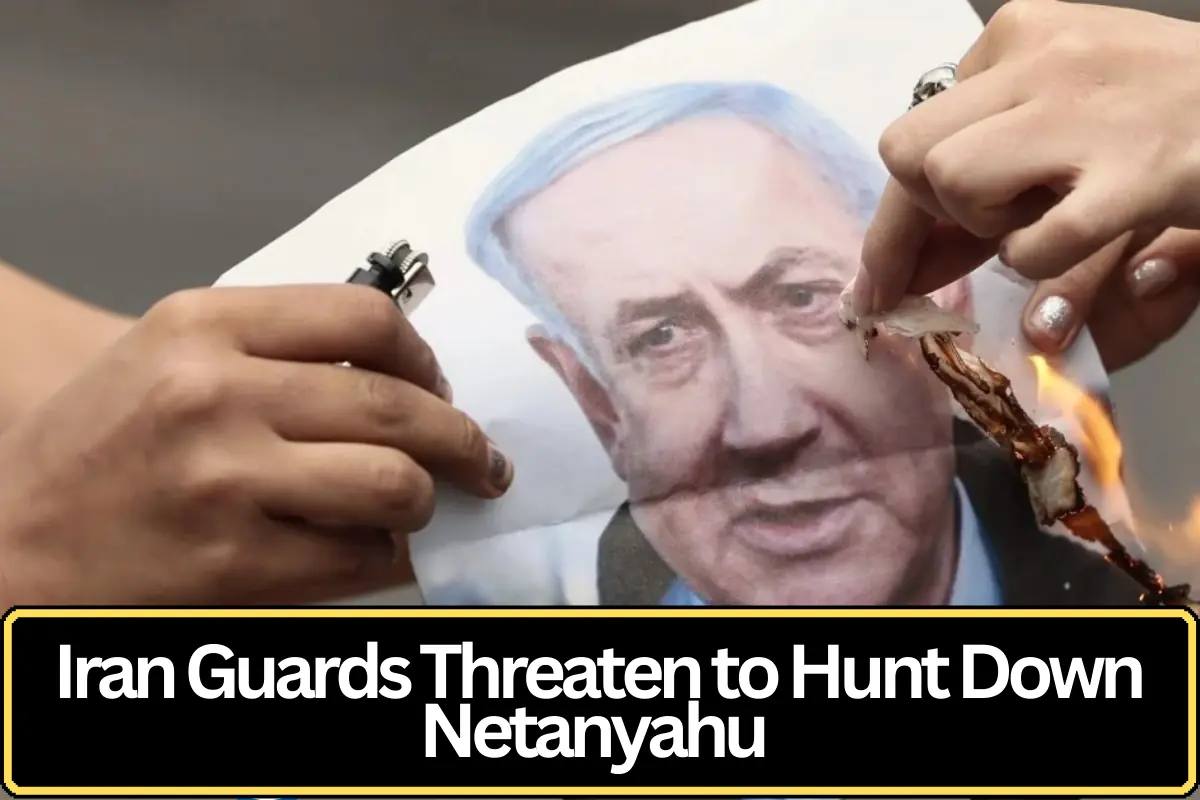
Iran Issues Direct Threat Against Israeli Prime Minister Amid Intensifying Conflict
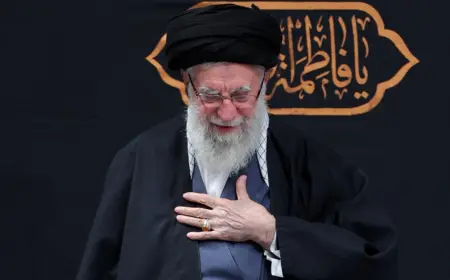
Iran’s Islamic Revolutionary Guard Corps (IRGC) threatened to “pursue and kill” Israeli Prime Minister Benjamin Netanyahu as the Israel-Iran war entered its 16th day, signaling a further escalation in rhetoric and tensions between the two countries. The warning was issued amid growing uncertainty about Netanyahu’s public appearances and continued missile exchanges across the Middle East following joint United States and Israeli strikes on Iranian military and strategic facilities.
The statement from Iran’s Revolutionary Guards came after online speculation and unverified rumors circulated questioning Netanyahu’s whereabouts following several days without a public appearance. Iranian officials said their forces would continue targeting the Israeli leader if he remained alive, accusing him of responsibility for attacks that have caused destruction and casualties inside Iran. Israeli authorities rejected the claims and said the prime minister was safe, dismissing rumors suggesting he had been assassinated.
Conflict Escalates Following US-Israeli Strikes
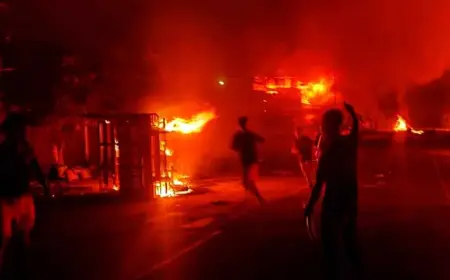
The ongoing confrontation intensified after coordinated United States and Israeli military strikes targeted Iranian facilities earlier in the conflict. The attacks reportedly struck strategic infrastructure and military positions, triggering a broad response from Iran and allied groups across the region. Iranian forces and affiliated militias have since launched missile and drone attacks targeting Israeli and allied interests.
Iranian officials have repeatedly accused Israel of initiating the current phase of the conflict through what they described as aggressive military operations designed to weaken Iran’s strategic capabilities. Israeli officials, however, have defended their actions as necessary defensive measures aimed at preventing threats posed by Iran’s military networks and regional influence.
The latest threat against Netanyahu reflects the increasingly personal and confrontational tone that has emerged as the conflict continues. Analysts say such statements are often intended to signal determination and boost domestic support while placing psychological pressure on opposing leadership.
Online Rumors Fuel Speculation About Netanyahu
The threat from Iran’s Revolutionary Guards followed a wave of speculation circulating online about Netanyahu’s location and status. Social media platforms carried unverified claims suggesting the Israeli leader might have been injured or killed during the conflict, prompting responses from Israeli officials who sought to counter the rumors.
Israel’s government denied the claims and said Netanyahu remained “fine,” emphasizing that the rumors were false and intended to spread confusion during wartime conditions. Officials did not provide additional details regarding the prime minister’s schedule or movements, citing security considerations amid the ongoing conflict.
Political analysts note that wartime environments frequently produce misinformation and speculation, particularly when high-profile political leaders reduce public appearances for security reasons. Governments typically limit information about the movements of senior officials during military conflicts to reduce potential security risks.
Regional Fighting Intensifies
The Israel-Iran war has expanded into a wider regional confrontation involving multiple actors and strategic locations. Missile strikes, drone attacks, and retaliatory operations have taken place across several areas of the Middle East, raising fears that the conflict could spread further.
Both sides have reported significant damage from the fighting. Military facilities, infrastructure, and energy installations have been targeted in various attacks, while civilian populations in some areas have experienced disruptions caused by air defense operations, explosions, and security restrictions.
The conflict has also heightened concerns about the safety of major shipping routes and energy infrastructure in the region. The Middle East remains a critical hub for global oil and gas supplies, and any escalation that threatens key transit points could have implications for international energy markets.
International Concern Over Growing War
The intensifying war between Israel and Iran has drawn international attention as governments around the world monitor the situation closely. Diplomatic efforts aimed at preventing further escalation have been discussed in several international forums, though no major breakthrough has been announced.
Global leaders have repeatedly called for restraint and de-escalation as the conflict continues to produce casualties and instability across the region. Analysts warn that prolonged fighting between the two countries could trigger broader geopolitical consequences, particularly if additional regional actors become directly involved.
Security experts say the situation remains highly volatile, with both sides maintaining significant military capabilities and continuing to signal readiness for further operations. The rhetoric used by political and military leaders in recent days suggests that neither side currently appears prepared to step back from confrontation.
Political and Strategic Implications
The threat directed at Netanyahu highlights the strategic messaging that often accompanies major conflicts. Statements from military organizations such as Iran’s Revolutionary Guards are frequently designed to demonstrate resolve while also reinforcing domestic narratives about resistance and retaliation.
At the same time, Israeli officials have emphasized their determination to continue military operations aimed at what they describe as eliminating security threats posed by Iranian forces and allied groups. Israeli leaders have argued that failing to respond decisively could allow adversaries to strengthen their military positions in the region.
Experts note that such public threats against national leaders can intensify tensions and complicate diplomatic efforts aimed at ending hostilities. However, they are not uncommon during conflicts where psychological pressure and symbolic messaging are used alongside military actions.
Humanitarian and Security Concerns
As the war continues, humanitarian concerns have grown among international organizations and regional observers. The ongoing exchanges of missiles and military operations have disrupted civilian life in several areas and raised fears of wider humanitarian consequences if the conflict expands.
Infrastructure damage, displacement of populations, and the risk of further military escalation remain key concerns. International aid agencies have called for protection of civilian areas and adherence to international humanitarian law during the conflict.
Meanwhile, governments across the Middle East have increased security measures to protect strategic facilities, diplomatic missions, and transportation networks amid fears that the conflict could spread beyond its current scope.
Current Situation
As the Israel-Iran war enters its sixteenth day, tensions remain high with continued missile exchanges, military operations, and increasingly aggressive rhetoric between both sides, while international observers warn that the conflict could expand further if diplomatic solutions are not pursued.