Iran Says Killing of Ali Larijani Will Not Destabilize Political System Amid Ongoing Conflict
Iranian officials said the killing of senior figure Ali Larijani will not destabilize the country’s political system, as tensions escalate amid the ongoing regional conflict.
 SANJANA DUTTA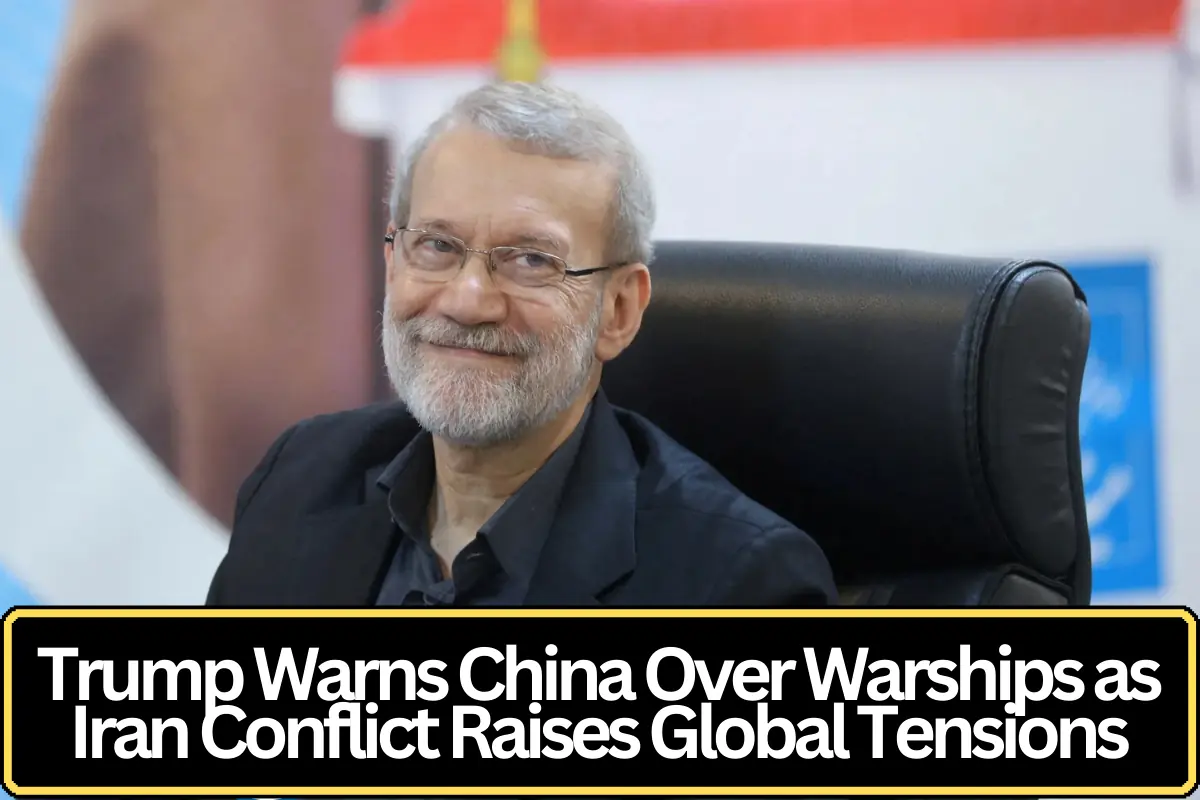
Iran Dismisses Destabilization Fears After Larijani Killing
Iranian officials said on March 18, 2026, that the killing of senior political figure Ali Larijani would not destabilize the country’s political system, as tensions continue to escalate across the Middle East amid an ongoing conflict involving Iran and its adversaries. The statement was issued by a government minister who sought to reassure both domestic and international audiences about the resilience of Iran’s political structure.
The announcement follows reports that Ali Larijani, a prominent conservative politician and former parliamentary speaker, was killed during the intensifying hostilities. The development has drawn widespread attention due to Larijani’s long-standing influence in Iranian politics and his close association with the country’s leadership establishment.
Government Reaffirms Stability
Iranian authorities emphasized that the country’s political institutions remain stable and functional despite the loss of a senior figure. Officials stated that Iran’s governance system is built on established institutional frameworks that are not dependent on any single individual.
The minister noted that while Larijani played an important role in the country’s political life, the system is designed to ensure continuity in governance. The statement underscored that decision-making processes and administrative functions would continue without disruption.
The reassurance comes at a time when the region is experiencing heightened instability, with multiple countries closely monitoring developments in Iran and the broader Middle East.
Profile of Ali Larijani
Ali Larijani was considered one of Iran’s most influential political figures, having served in several high-profile roles over the course of his career. He was a former speaker of Iran’s parliament and had also held positions within the country’s national security establishment.
Larijani was widely regarded as a key figure within Iran’s conservative political camp, often involved in shaping policy debates and strategic decisions. His role in legislative affairs and governance made him a prominent voice in the country’s political landscape.
His death marks a significant moment in Iranian politics, particularly given his experience and longstanding presence in public life.
Context of Escalating Regional Conflict
The killing comes amid an intensifying conflict involving Iran, Israel, and allied forces, which has entered a critical phase with ongoing military exchanges and rising casualties. The situation has triggered concerns about a broader regional war and its potential global implications.
Recent weeks have seen an increase in airstrikes, missile attacks, and military operations across multiple locations in the Middle East. The conflict has also drawn attention from major global powers, raising fears of further escalation.
In this context, the death of a high-profile political figure has added to the complexity of the situation, prompting questions about internal stability within Iran.
Political System Designed for Continuity
Iranian officials reiterated that the country’s political system is structured to withstand shocks, including the loss of senior leaders. The system includes multiple layers of governance, ranging from elected institutions to religious and administrative bodies.
Analysts note that Iran’s political framework has historically demonstrated resilience during periods of crisis. The presence of established leadership structures and succession mechanisms is seen as a key factor in maintaining stability.
Officials highlighted that the country has previously navigated political and security challenges without major disruptions to governance.
Domestic and International Reactions
The killing of Larijani has drawn reactions from political observers and governments worldwide. Some analysts have described the development as a significant event, given his stature within Iran’s political system.
However, many experts agree that the broader impact will depend on how the situation evolves in the coming days and whether it influences internal political dynamics or external relations.
International stakeholders are closely watching Iran’s response, particularly in light of the ongoing conflict and the potential for further escalation.
Implications for Regional Stability
The Middle East remains a focal point of global geopolitical tension, with the current conflict affecting multiple countries and critical economic sectors, including energy and trade. Any developments within Iran are therefore closely linked to broader regional stability.
The death of a senior political figure could have symbolic significance, even if it does not immediately disrupt governance. Analysts say such events can influence public sentiment, political discourse, and strategic decision-making.
At the same time, the continuation of military operations across the region suggests that the conflict remains the primary driver of instability.
Focus on Ongoing Conflict
Iranian officials indicated that their primary focus remains on addressing the ongoing conflict and responding to external threats. The government has maintained that it will continue to take necessary measures to defend its interests and ensure national security.
The broader conflict has already led to significant humanitarian and economic consequences, with rising casualties and disruptions to key infrastructure. Governments and international organizations have called for de-escalation and renewed diplomatic efforts.
Despite these calls, military activity has continued, underscoring the challenges involved in resolving the crisis.
Outlook and Uncertainty
The situation remains fluid, with developments unfolding rapidly across the region. While Iranian officials have sought to project confidence in the country’s stability, uncertainties persist regarding the trajectory of the conflict and its wider implications.
Observers note that the coming days will be critical in determining whether tensions escalate further or whether diplomatic efforts gain momentum.
The interplay between internal political developments and external military dynamics will likely shape the next phase of the crisis.
Current Status
Iran has stated that the killing of Ali Larijani will not destabilize its political system, even as the country faces escalating regional conflict and heightened global scrutiny.