Lupin Receives FDA Tentative Approval for Drug Treating Excessive Daytime Sleepiness
Lupin has received tentative approval from the US FDA for a drug targeting excessive daytime sleepiness, marking progress in expanding treatment options for sleep disorders.
 Akanksha jain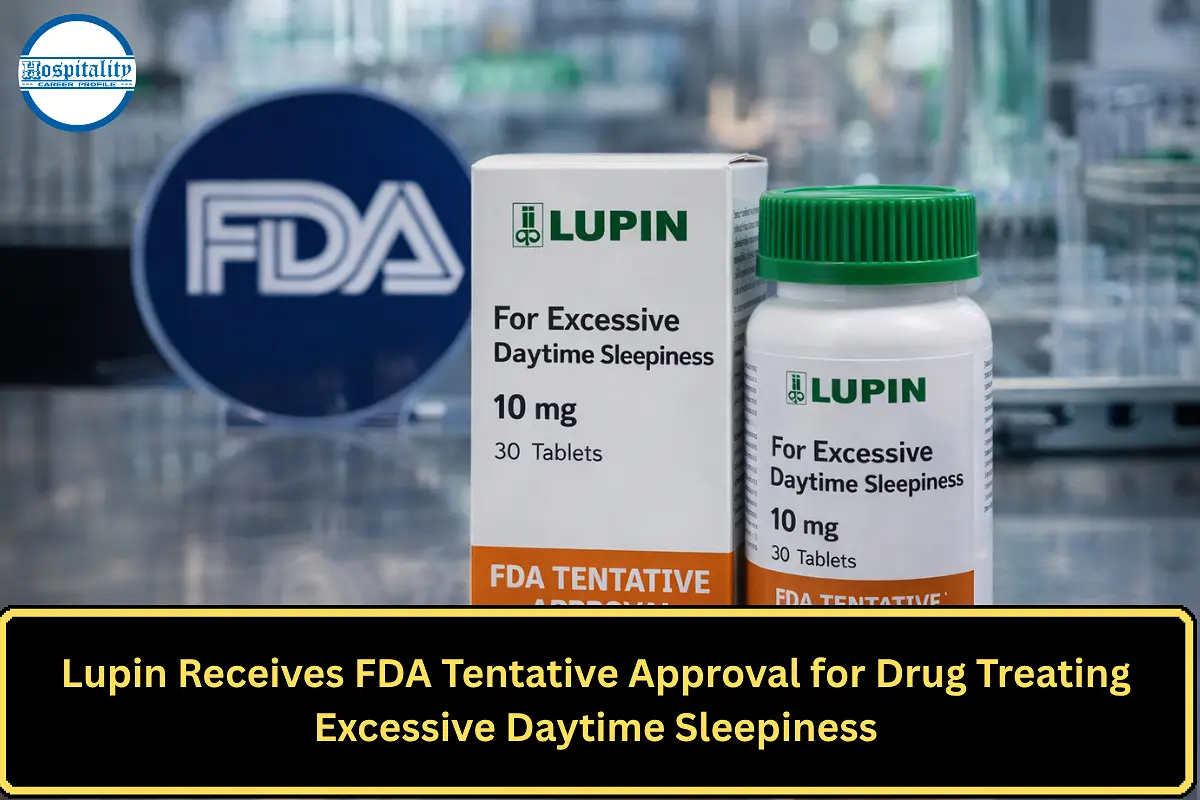
Lupin Receives FDA Tentative Approval for Drug Treating Excessive Daytime Sleepiness
Lupin Limited has received tentative approval from the United States Food and Drug Administration (FDA) for its drug designed to treat excessive daytime sleepiness, the company announced in March 2026. The approval marks a significant step in expanding treatment options for patients suffering from sleep-related disorders, including conditions such as narcolepsy and obstructive sleep apnea.
The tentative approval allows Lupin to proceed with preparations for launching the drug in the U.S. market once final regulatory requirements are met, including the expiration of any existing exclusivity or patent protections. The development reflects the company’s continued focus on strengthening its presence in the global pharmaceutical market, particularly in the central nervous system and specialty segments.
Addressing a Common Yet Underdiagnosed Condition
Excessive daytime sleepiness is a condition characterized by persistent drowsiness and an increased tendency to fall asleep during normal waking hours. It is often associated with disorders such as narcolepsy, obstructive sleep apnea, and shift work sleep disorder, and can significantly impact daily functioning, productivity, and quality of life.
Despite its prevalence, the condition remains underdiagnosed and undertreated in many regions, highlighting the need for effective therapeutic options. The availability of new treatments is expected to improve disease management and patient outcomes.
Lupin’s drug aims to address this unmet need by offering an alternative therapy that targets the underlying mechanisms of sleep regulation.
Details of the Tentative Approval
The FDA’s tentative approval indicates that the drug has met the required standards for safety, efficacy, and quality, but cannot yet be marketed in the United States due to existing patent or exclusivity protections held by other manufacturers. Once these barriers are resolved, Lupin will be eligible to receive final approval and launch the product.
Such approvals are common in the pharmaceutical industry, particularly for generic or alternative formulations of existing therapies. They enable companies to prepare for market entry while ensuring compliance with regulatory frameworks.
Lupin has not disclosed a specific timeline for the commercial launch but indicated that it is committed to bringing the drug to market as soon as regulatory conditions permit.
Expanding Lupin’s CNS Portfolio
The tentative approval is part of Lupin’s broader strategy to expand its portfolio in the central nervous system (CNS) therapeutic area. The company has been investing in the development of treatments for neurological and sleep-related disorders, recognizing the growing demand for such therapies globally.
By adding a treatment for excessive daytime sleepiness to its pipeline, Lupin aims to strengthen its competitive position in a segment that is witnessing increased research and innovation. The move also aligns with the company’s focus on addressing complex and chronic health conditions.
Industry analysts note that expanding into specialty areas can provide pharmaceutical companies with opportunities for growth and differentiation.
Market Potential and Demand
The market for sleep disorder treatments is expected to grow steadily, driven by rising awareness, improved diagnosis, and increasing prevalence of related conditions. Lifestyle changes, including irregular work schedules and higher stress levels, have contributed to the growing incidence of sleep disorders worldwide.
In the United States, a significant number of patients suffer from conditions that cause excessive daytime sleepiness, creating a substantial demand for effective therapies. The introduction of new treatment options is expected to enhance competition and improve access for patients.
Lupin’s entry into this market could provide additional choices for healthcare providers and patients, particularly if the drug offers comparable efficacy and safety to existing therapies.
Regulatory and Competitive Landscape
The regulatory pathway for sleep disorder drugs is highly competitive, with several established treatments already available. Companies must demonstrate not only clinical effectiveness but also safety and tolerability to gain approval and market acceptance.
Tentative approvals allow manufacturers to position themselves strategically in anticipation of market entry, often leading to increased competition once exclusivity periods expire. This dynamic can result in lower costs and greater accessibility for patients.
Experts believe that continued innovation and competition will be key to advancing treatment options in this therapeutic area.
Implications for Patients and Healthcare Providers
For patients, the availability of additional treatment options can lead to more personalized care and improved outcomes. Different therapies may work better for different individuals, making it important to have a range of choices.
Healthcare providers may benefit from having more tools to manage sleep disorders, particularly in cases where patients do not respond well to existing treatments. The introduction of new drugs can also stimulate further research and development in the field.
Improved management of excessive daytime sleepiness can have broader benefits, including enhanced productivity, reduced accident risk, and better overall health.
Future Outlook
Looking ahead, Lupin is expected to continue focusing on expanding its product pipeline and securing regulatory approvals in key markets. The company’s efforts in developing treatments for complex conditions are likely to play a central role in its growth strategy.
The broader pharmaceutical industry is also expected to see continued investment in sleep disorder research, driven by unmet medical needs and market opportunities. Advances in understanding the biology of sleep are likely to lead to new and more effective therapies.
Collaboration between research institutions, healthcare providers, and pharmaceutical companies will be essential for driving innovation in this area.
Conclusion
Lupin’s tentative FDA approval for a drug targeting excessive daytime sleepiness marks an important step toward expanding treatment options, with the company now awaiting final approval to bring the therapy to the U.S. market.