Minnesota Bill Aims to Expand Mental Health Resources for First Responders
Minnesota lawmakers introduce legislation to expand mental health services and support programs for first responders across the state.
 Akanksha jain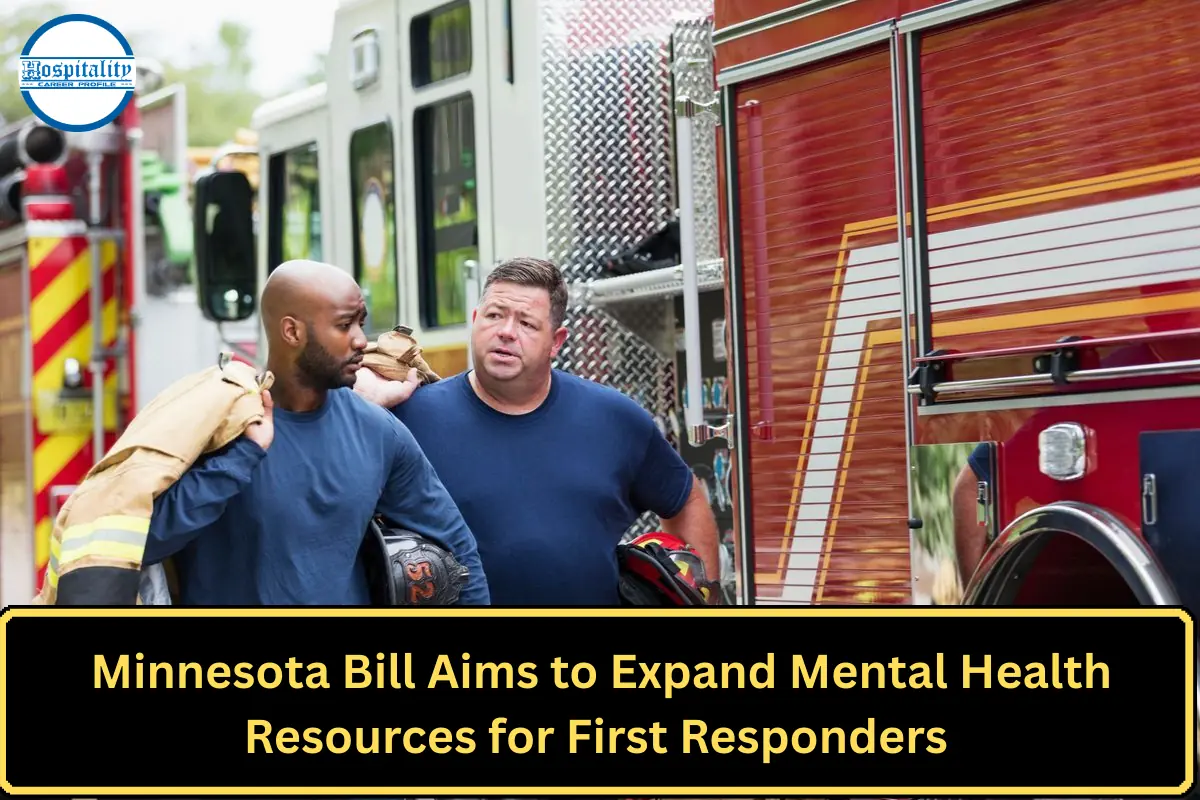
Lawmakers have introduced new legislation aimed at expanding mental health resources for first responders, recognizing the psychological toll faced by emergency personnel in the line of duty.
The proposed bill seeks to improve access to counseling services, peer support programs, and trauma-informed care for firefighters, police officers, paramedics, and other emergency responders. Supporters say the measure addresses growing concerns about burnout, post-traumatic stress, and workforce retention.
Addressing Occupational Stress
First responders routinely encounter high-stress and traumatic situations, which can significantly impact mental well-being. Advocates for the bill argue that early intervention and dedicated support systems are essential to maintaining both individual health and public safety readiness.
The legislation would expand funding mechanisms and potentially streamline pathways for responders to seek confidential care without fear of stigma or professional repercussions.
Strengthening Workforce Sustainability
Supporters emphasize that enhanced mental health resources not only benefit individual responders but also strengthen emergency services overall. By prioritizing mental wellness, agencies may reduce absenteeism, turnover, and long-term healthcare costs.
The bill reflects a broader national conversation about mental health support within high-risk professions, particularly as departments face staffing shortages and increasing service demands.
Next Steps
The proposal will move through committee review before potential floor votes. If enacted, Minnesota would join other states implementing targeted mental health initiatives for emergency personnel.
Lawmakers backing the bill say investing in responder wellness is a critical step toward building resilient communities and sustainable public safety systems.