Speculation Grows Over Mojtaba Khamenei’s Absence as Social Media in Iran Fuels Rumors
Online speculation intensified in Iran over the absence of Mojtaba Khamenei, with social media users joking that the cleric appears “AI-generated” amid ongoing regional tensions and limited public appearances.
 SANJANA DUTTA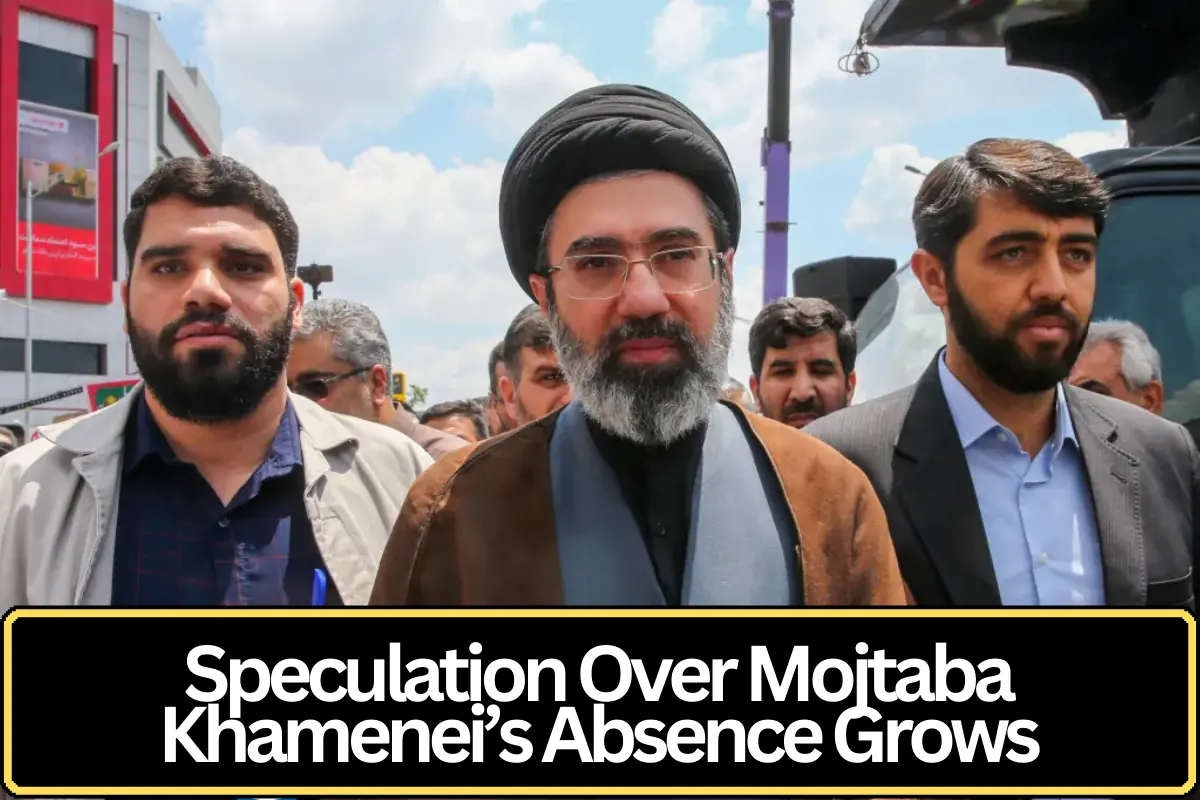
Online Speculation Emerges Over Mojtaba Khamenei’s Public Absence
Speculation has intensified across Iranian social media platforms regarding the whereabouts of Mojtaba Khamenei, the son of Iran’s Supreme Leader Ayatollah Ali Khamenei, as the country faces heightened regional tensions and continued military developments involving the United States and Israel. Discussions about his absence from recent public events have triggered a wave of online commentary, with some users jokingly suggesting that the influential cleric appears “AI‑generated,” reflecting the unusual level of curiosity surrounding his public visibility.
Mojtaba Khamenei has long been regarded by political observers as an influential figure within Iran’s political and religious establishment, despite holding no formal elected position. His perceived role in internal power structures and the possibility that he could play a role in the country’s future leadership have made his public presence, or lack thereof, a frequent subject of speculation among commentators and analysts.
Online Jokes Reflect Public Curiosity
Recent discussions circulating on social media have highlighted the limited number of public appearances made by Mojtaba Khamenei in recent months. Iranian internet users have posted humorous comments and memes suggesting that his public image seems so rare that it resembles an artificial or digitally created figure. These jokes, widely shared online, underscore the level of public curiosity surrounding a political figure who is often discussed but rarely seen.
Such online commentary reflects a broader culture of satire and coded criticism that has developed on Iranian social media platforms. In many cases, users employ humor, irony and indirect references when discussing sensitive political topics. The suggestion that Mojtaba Khamenei appears “AI‑generated” has become one of the more widely circulated jokes in these discussions.
While the comments are largely humorous, they also highlight a deeper interest among some observers regarding the internal dynamics of Iran’s leadership structure and the potential future of the country’s political system.
Background of an Influential Political Figure
Mojtaba Khamenei is the second son of Supreme Leader Ayatollah Ali Khamenei, who has held Iran’s highest political and religious authority since 1989. Although Mojtaba does not occupy a formal public office, analysts frequently describe him as an influential figure within certain political and clerical networks.
Over the years, his name has periodically surfaced in discussions about Iran’s political leadership, particularly regarding the eventual succession to the position of Supreme Leader. However, Iranian authorities have not formally addressed such speculation, and the country’s constitutional process for selecting a supreme leader involves a body known as the Assembly of Experts.
Because Mojtaba Khamenei generally maintains a low public profile, information about his activities and role in political decision‑making is limited. This lack of visibility has contributed to the persistent curiosity and rumors that periodically circulate about him.
Political Context Amid Regional Tensions
The renewed attention surrounding Mojtaba Khamenei’s public presence comes at a time of heightened geopolitical tensions involving Iran and several international actors. Military confrontations and diplomatic disputes across the Middle East have placed the country’s leadership under increased global scrutiny.
During periods of crisis or conflict, public appearances and statements by political leaders often carry symbolic importance, as governments attempt to demonstrate stability and continuity. The absence of certain prominent figures from public events can therefore attract attention from both domestic observers and international analysts.
In Iran’s political system, the Supreme Leader plays the central role in determining key national policies, including defense and foreign relations. As a result, any discussions concerning individuals connected to that position often draw widespread interest.
Social Media as a Platform for Political Commentary
Despite restrictions on many global platforms, Iranian social media continues to serve as a space where public commentary and discussion about political developments take place. Users frequently share satirical posts, coded messages and humorous observations about public figures and national events.
Experts on Iranian media culture note that humor has historically been used as a way for citizens to comment on sensitive political topics while avoiding direct confrontation. The “AI‑generated” joke about Mojtaba Khamenei is an example of how satire can spread rapidly online and capture public attention.
At the same time, such discussions do not necessarily reflect verified information about political developments. Many posts are speculative in nature, often driven by public curiosity rather than confirmed facts.
Leadership Succession Remains a Sensitive Issue
The issue of succession to Iran’s supreme leadership has long been considered a sensitive subject within the country’s political environment. According to Iran’s constitution, the next Supreme Leader is chosen by the Assembly of Experts, a clerical body responsible for selecting and overseeing the country’s highest authority.
Although the process is formally defined, the topic occasionally generates speculation among analysts regarding potential candidates who could hold influence within the political system. Mojtaba Khamenei’s name has sometimes appeared in such discussions because of his family connections and reported relationships within clerical and political networks.
Iranian officials have not publicly endorsed or confirmed any individual as a future candidate for the position, and leadership decisions remain within the authority of constitutional institutions.
Public Attention and Information Gaps
The renewed interest in Mojtaba Khamenei illustrates how information gaps about influential figures can lead to speculation and rumors. When public appearances are rare and official information is limited, online discussions often fill the vacuum with commentary ranging from serious analysis to humor.
Political observers note that the dynamics of modern digital communication mean that even informal jokes can quickly spread across platforms, shaping wider public conversations. In Iran’s case, such discussions sometimes combine humor with broader questions about political transparency and leadership.
While the online jokes have gained attention, there has been no official confirmation from Iranian authorities regarding any unusual circumstances surrounding Mojtaba Khamenei’s public appearances.
Current Situation
Speculation and humor about Mojtaba Khamenei’s limited public visibility continue to circulate on Iranian social media, reflecting public curiosity about one of the country’s most discussed yet rarely seen political figures as regional tensions and political scrutiny remain high.