Montana Oil Politics Intensify as Iran War Drives Energy Debate in US
Political tensions over oil production are rising in Montana as the ongoing Iran war fuels national debate on energy policy and security.
 SANJANA DUTTA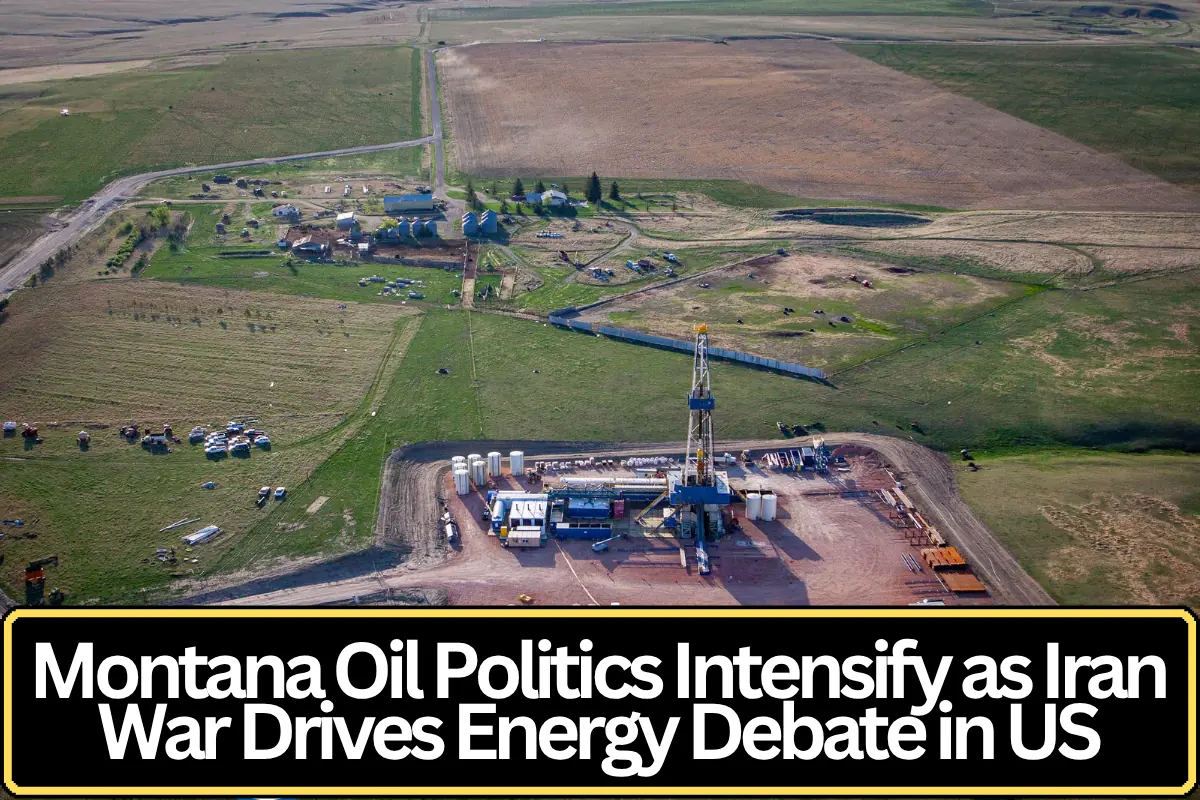
Energy Debate Intensifies in Montana Amid Iran War
Political tensions over oil production and energy policy are escalating in Montana as the ongoing war involving Iran reshapes national priorities in March 2026. Lawmakers, industry leaders, and environmental groups are increasingly divided over how the United States should respond to rising energy demands and global instability triggered by the conflict.
The debate comes as disruptions in Middle Eastern oil supplies have pushed energy security to the forefront of US politics, with Montana emerging as a key battleground due to its fossil fuel resources and ongoing regulatory disputes.
Rising Global Tensions Drive Domestic Policy Debate
The conflict in the Middle East has heightened concerns over global oil supply chains, leading to increased pressure on US policymakers to boost domestic production. Montana, with its oil and gas reserves, has become central to discussions about reducing reliance on foreign energy sources.
Supporters of expanded drilling argue that increasing production in states like Montana could help stabilize fuel prices and strengthen national security. They contend that the current geopolitical climate underscores the need for energy independence and reduced exposure to volatile international markets.
Opponents, however, warn that accelerating fossil fuel development could undermine environmental protections and long-term climate goals. They argue that short-term responses to global conflict should not derail efforts to transition toward renewable energy sources.
State-Level Political Divisions Deepen
In Montana, the issue has intensified existing political divisions between state leaders, local communities, and advocacy groups. Republican lawmakers have largely supported measures to expand oil and gas production, framing it as a necessary response to global instability and rising energy costs.
Democratic leaders and environmental organizations have pushed back, emphasizing the environmental risks associated with increased drilling and the importance of sustainable energy policies. Legal disputes and regulatory challenges have further complicated the situation, delaying projects and adding uncertainty for industry stakeholders.
The clash reflects broader national debates over the balance between economic development and environmental responsibility, with Montana serving as a microcosm of these competing priorities.
Impact on Local Communities and Economy
The outcome of the energy debate carries significant implications for local communities in Montana. Increased oil production could bring economic benefits, including job creation and higher state revenues. Many residents in energy-producing regions support development as a means of boosting economic growth.
At the same time, concerns about environmental degradation, water resources, and land use remain prominent among local populations. Indigenous communities and rural residents have voiced concerns about the potential impact of expanded drilling on their livelihoods and cultural heritage.
The tension between economic opportunity and environmental preservation continues to shape public opinion across the state.
Federal Policy and Regulatory Challenges
The debate in Montana is closely tied to broader federal policies on energy and environmental regulation. Decisions made in Washington regarding drilling permits, emissions standards, and infrastructure development are influencing the pace and scope of oil production in the state.
Industry representatives have called for streamlined regulations to accelerate production, arguing that bureaucratic delays hinder the country’s ability to respond effectively to global energy disruptions. Environmental advocates, on the other hand, have urged stricter oversight to prevent ecological damage.
The interplay between federal and state policies has created a complex regulatory landscape, adding to the challenges faced by both policymakers and industry players.
National Security and Energy Independence
The ongoing Iran conflict has amplified arguments linking domestic energy production to national security. Proponents of increased drilling assert that reducing dependence on foreign oil can enhance the United States’ strategic position and resilience in times of crisis.
Critics argue that true energy security requires diversification, including investment in renewable energy and alternative technologies. They caution that continued reliance on fossil fuels may leave the country vulnerable to future disruptions and environmental risks.
The differing perspectives highlight the complexity of defining energy security in a rapidly changing global landscape.
Environmental Concerns and Climate Goals
Environmental groups have expressed concern that the push for increased oil production could undermine efforts to address climate change. Montana’s natural landscapes and ecosystems are seen as particularly vulnerable to the impacts of expanded drilling.
Advocates for renewable energy argue that the current crisis should serve as a catalyst for accelerating the transition to cleaner energy sources, rather than reinforcing dependence on fossil fuels. They emphasize the long-term benefits of sustainability and resilience.
The debate reflects a broader tension between immediate energy needs and long-term environmental objectives.
Political Implications Beyond Montana
The developments in Montana are resonating beyond the state, influencing national political discourse and policy decisions. Energy policy is expected to be a key issue in upcoming elections and legislative debates, with the Iran conflict adding urgency to discussions.
Lawmakers across the country are closely watching the situation, as decisions made in Montana could set precedents for other energy-producing regions. The state’s role in the national energy landscape has elevated its political significance.
The intersection of local and global factors underscores the far-reaching impact of the ongoing conflict.
Outlook and Future Developments
The trajectory of the energy debate in Montana will depend on several factors, including the duration of the Iran conflict, federal policy decisions, and market dynamics. As global tensions persist, pressure to increase domestic production is likely to remain strong.
At the same time, legal challenges and public opposition could limit the pace of expansion, creating a complex and evolving policy environment. Stakeholders on all sides are expected to continue advocating for their positions as the situation develops.
Observers note that the balance between energy security and environmental sustainability will remain a central issue in shaping future policies.
Conclusion
The intensifying debate over oil production in Montana highlights the broader challenges facing the United States as it navigates the intersection of global conflict, energy needs, and environmental priorities.
Current Status
Political tensions in Montana continue to rise as policymakers and stakeholders debate energy strategies amid the ongoing Iran war and its global economic impact.