Mukh Mantri Sehat Yojna Hailed as Model Healthcare Scheme in India, Minister Says
Punjab’s Mukh Mantri Sehat Yojna is being recognized as a leading healthcare model in India, offering accessible and affordable medical services to citizens.
 Akanksha jain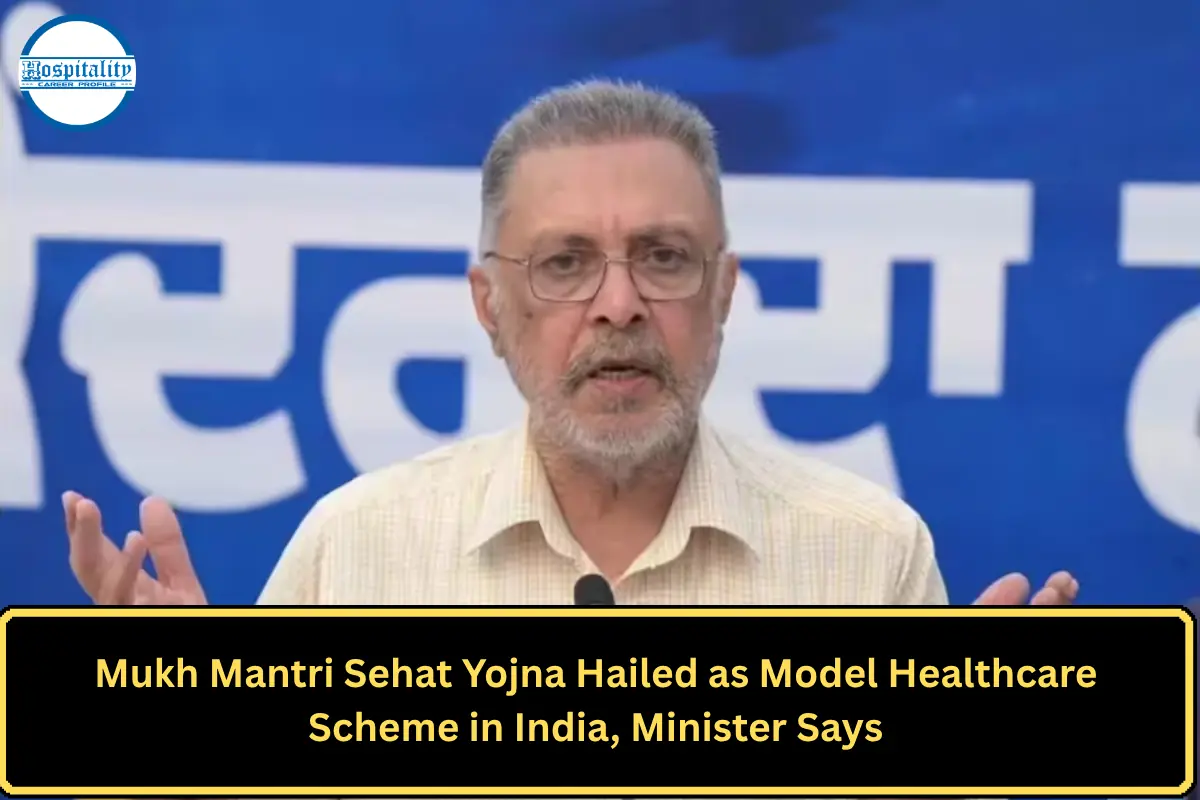
Mukh Mantri Sehat Yojna Hailed as Model Healthcare Scheme in India, Minister Says
The Mukh Mantri Sehat Yojna has emerged as a leading healthcare model in India, with a senior minister praising the scheme for its impact on improving access to affordable medical services, according to officials in Chandigarh in March 2026. The program, implemented in Punjab, aims to provide comprehensive health coverage to residents, reducing financial barriers and strengthening public healthcare delivery.
Speaking at a recent event, the minister highlighted the scheme’s success in expanding healthcare access, particularly for economically vulnerable populations. The initiative has been credited with reducing out-of-pocket medical expenses and ensuring timely treatment for a wide range of health conditions.
Expanding Access to Healthcare
The Mukh Mantri Sehat Yojna was introduced to provide universal health coverage to residents of Punjab, offering cashless treatment across a network of empaneled hospitals. Under the scheme, beneficiaries can access medical services without upfront payment, covering various treatments, including surgeries, diagnostics, and hospitalization.
Officials noted that the scheme has significantly improved healthcare accessibility, especially in rural and underserved areas. By integrating public and private healthcare providers, the program has expanded the reach of medical services and reduced the burden on government hospitals.
The initiative is seen as a major step toward achieving equitable healthcare access across the state.
Reducing Financial Burden on Patients
One of the key achievements of the scheme is its role in reducing the financial strain associated with medical treatment. Healthcare costs are a major concern for many families, often leading to delayed or avoided care.
The Mukh Mantri Sehat Yojna addresses this issue by covering a wide range of medical expenses, enabling patients to receive timely treatment without worrying about affordability. Officials said this has contributed to better health outcomes and increased trust in the healthcare system.
The reduction in out-of-pocket expenditure is also expected to have long-term economic benefits for households.
Comprehensive Coverage and Services
The scheme offers extensive coverage, including treatment for critical illnesses, surgeries, and chronic conditions. Beneficiaries are provided with health cards that allow them to access services seamlessly across participating hospitals.
Officials emphasized that the inclusion of a broad range of medical services ensures that patients receive holistic care. The program also includes provisions for follow-up treatments and rehabilitation, enhancing its effectiveness.
The comprehensive nature of the scheme has been cited as a key factor in its success.
Integration of Public and Private Healthcare
The success of the Mukh Mantri Sehat Yojna is partly attributed to its integration of public and private healthcare providers. By empaneling private hospitals, the scheme has increased capacity and reduced waiting times for patients.
This collaboration has enabled better resource utilization and improved service delivery. Patients have more options for treatment, allowing them to choose facilities that best meet their needs.
Officials noted that public-private partnerships are essential for strengthening healthcare systems and improving efficiency.
Focus on Preventive Healthcare
In addition to treatment services, the scheme also emphasizes preventive healthcare measures. Regular health check-ups, screenings, and awareness campaigns are being promoted to detect diseases early and reduce their severity.
Preventive care is seen as a cost-effective approach to managing public health, helping to reduce the overall burden on the healthcare system. Officials highlighted the importance of encouraging citizens to prioritize routine health monitoring.
The focus on prevention aligns with broader national and global health strategies.
Digital Integration and Efficiency
The scheme incorporates digital technologies to streamline processes and improve efficiency. Beneficiary data, hospital records, and claims processing are managed through integrated digital platforms, reducing administrative delays.
Officials said that the use of technology has enhanced transparency and accountability, ensuring that services are delivered effectively. Digital tools also help in monitoring the performance of the scheme and identifying areas for improvement.
The integration of technology is expected to further strengthen the program in the coming years.
Positive Impact on Public Health
Healthcare experts have noted that the Mukh Mantri Sehat Yojna has had a positive impact on public health indicators in Punjab. Increased access to medical services has led to earlier diagnosis and treatment of diseases, improving patient outcomes.
The scheme has also contributed to reducing disparities in healthcare access between urban and rural populations. By ensuring that essential services are available to all, the program supports inclusive healthcare development.
Officials believe that sustained implementation will continue to yield long-term benefits for the population.
Recognition as a Model for Other States
The minister described the scheme as a model that could be replicated in other states to improve healthcare access and affordability. Its success has drawn attention from policymakers and health experts across the country.
Experts highlighted that the scheme’s comprehensive approach, strong implementation framework, and focus on inclusivity make it a valuable example for other regions. Adapting similar models could help address healthcare challenges at the national level.
The recognition underscores the importance of innovative policy solutions in improving public health systems.
Challenges and Future Plans
Despite its achievements, the scheme faces challenges such as ensuring consistent quality of care, managing costs, and expanding coverage further. Officials acknowledged the need for continuous monitoring and improvement to address these issues.
Future plans include expanding the network of hospitals, enhancing digital capabilities, and increasing awareness among beneficiaries. Strengthening infrastructure and workforce capacity are also key priorities.
Officials emphasized that ongoing efforts are essential to sustain the success of the program.
Conclusion
The Mukh Mantri Sehat Yojna has been recognized as a leading healthcare model in India, demonstrating how comprehensive coverage, affordability, and effective implementation can significantly improve access to quality medical care.