Namita Thapar Highlights Iron Deficiency Risks Among Women, Urges Greater Awareness on Haemoglobin Health
Namita Thapar raises concerns over iron deficiency among women, emphasizing the need for awareness around hemoglobin and ferritin levels for better health outcomes.
 Akanksha jain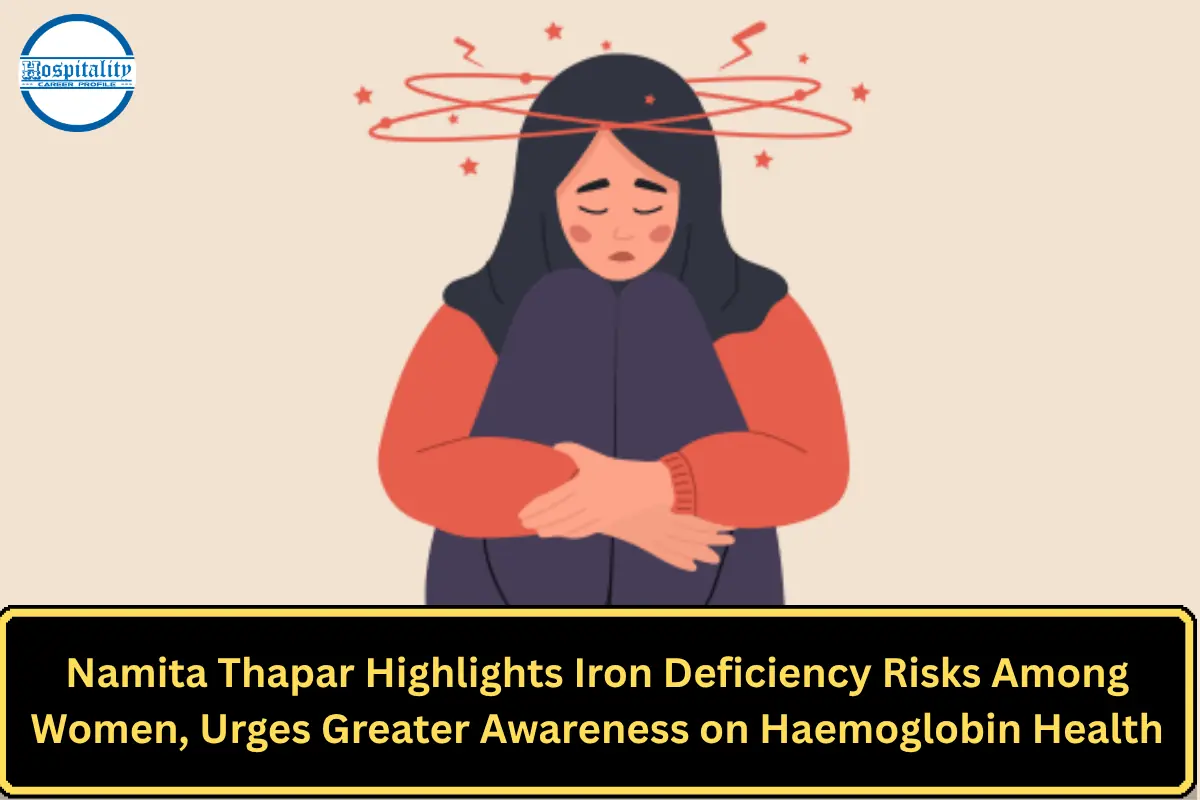
Namita Thapar Highlights Iron Deficiency Risks Among Women, Urges Greater Awareness of Hemoglobin Health
Entrepreneur and health advocate Namita Thapar has raised concerns about the widespread issue of iron deficiency among women in India, emphasizing the importance of monitoring hemoglobin and ferritin levels to prevent long-term health complications. Speaking in March 2026, she highlighted the need for increased awareness, early diagnosis, and better nutritional practices to address the growing public health concerns.
Iron deficiency, one of the most common nutritional disorders globally, continues to affect a significant proportion of women, particularly in developing countries. Health experts warn that inadequate iron levels can lead to anemia, fatigue, reduced immunity, and complications during pregnancy, making it a critical issue that requires urgent attention.
Understanding Iron Deficiency and Its Impact
Iron plays a vital role in the production of hemoglobin, a protein in red blood cells responsible for carrying oxygen throughout the body. Ferritin, on the other hand, serves as a key indicator of the body’s iron stores. Low levels of either can signal iron deficiency, even before anemia develops.
Namita Thapar stressed that many women may have normal hemoglobin levels but still suffer from low ferritin, which can lead to symptoms such as chronic fatigue, hair loss, weakness, and difficulty concentrating. This often goes undiagnosed due to limited awareness and lack of routine testing.
Experts note that early detection through simple blood tests can help prevent progression to severe anemia and improve overall health outcomes.
High Prevalence Among Women in India
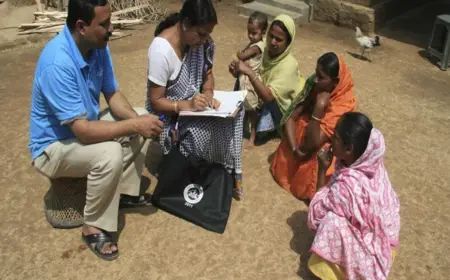
India continues to face a high burden of anemia, particularly among women of reproductive age. Factors such as poor dietary intake, menstrual blood loss, pregnancy, and limited access to healthcare contribute to the widespread prevalence of iron deficiency.
Public health data indicates that a large percentage of women in India have suboptimal iron levels, with many unaware of their condition. This has significant implications not only for individual health but also for maternal and child health outcomes.
Healthcare professionals emphasize that addressing iron deficiency is essential for improving overall population health and reducing healthcare costs associated with related complications.
Importance of Monitoring Haemoglobin and Ferritin
Thapar highlighted the need for women to regularly monitor both hemoglobin and ferritin levels, noting that relying solely on hemoglobin tests may not provide a complete picture of iron status. Ferritin testing can help detect early-stage deficiency and guide appropriate interventions.
Routine health check-ups, particularly for women at higher risk, can play a crucial role in identifying deficiencies before they become severe. Early intervention through dietary changes and supplementation can significantly improve health outcomes.
Medical experts recommend that individuals experiencing persistent fatigue or other related symptoms should consult healthcare providers for proper evaluation.
Dietary Factors and Nutritional Gaps
Dietary habits are a major contributing factor to iron deficiency. Many individuals do not consume adequate amounts of iron-rich foods such as leafy green vegetables, legumes, nuts, seeds, and animal-based sources like meat and eggs.
Additionally, certain dietary patterns may inhibit iron absorption. For example, high consumption of tea or coffee with meals can reduce the body’s ability to absorb iron. On the other hand, foods rich in vitamin C can enhance iron absorption and should be included in the diet.
Nutritionists stress the importance of balanced diets that include a variety of nutrients to support overall health and prevent deficiencies.
Role of Awareness and Preventive Healthcare
Increasing awareness about iron deficiency is critical for encouraging preventive healthcare practices. Public health campaigns, workplace wellness programs, and community initiatives can help educate individuals about the importance of nutrition and regular health screenings.
Thapar emphasized that greater awareness can empower women to take proactive steps toward managing their health, including seeking medical advice and adopting healthier lifestyles.
Preventive healthcare approaches, including early diagnosis and lifestyle modifications, are seen as key strategies for reducing the burden of iron deficiency and related conditions.
Impact on Productivity and Quality of Life
Iron deficiency not only affects physical health but also has broader implications for productivity and quality of life. Individuals with low iron levels may experience reduced energy, impaired cognitive function, and decreased work performance.
For working women, this can translate into challenges in managing professional and personal responsibilities. Addressing nutritional deficiencies is therefore essential for improving overall well-being and economic productivity.
Experts note that investing in women’s health can have far-reaching benefits for families, communities, and the broader economy.
Medical Treatment and Supplementation
In cases where dietary changes are insufficient, healthcare providers may recommend iron supplements to restore normal levels. Treatment plans are typically tailored to individual needs based on the severity of the deficiency and underlying causes.
It is important for individuals to follow medical advice and avoid self-medication, as excessive iron intake can also have adverse effects. Regular monitoring is necessary to ensure safe and effective treatment.
Healthcare professionals also highlight the importance of addressing underlying conditions that may contribute to iron deficiency, such as gastrointestinal disorders or chronic illnesses.
Policy and Public Health Initiatives
The Indian government has implemented various programs aimed at reducing anemia and improving nutritional outcomes, particularly among women and children. These initiatives include supplementation programs, awareness campaigns, and efforts to improve access to healthcare services.
However, experts believe that more needs to be done to ensure widespread awareness and effective implementation of these programs. Collaboration between public and private sectors can help strengthen efforts to combat iron deficiency at a national level.
Policy measures that focus on nutrition, education, and healthcare access are critical for achieving long-term improvements in women’s health.
Conclusion
Namita Thapar’s emphasis on iron deficiency highlights a critical yet often overlooked health issue affecting millions of women. Increased awareness, regular monitoring of hemoglobin and ferritin levels, and improved nutrition are essential steps toward addressing this widespread concern and improving overall health outcomes.
Health experts continue to stress the importance of preventive care and early intervention as India works to reduce the burden of anemia and promote better health among women nationwide.