New COVID-19 Variant With Multiple Mutations Raises Concerns, Experts Urge Vigilance
A new COVID-19 variant with a high number of mutations has raised concerns among experts, who advise vigilance while emphasizing there is no need for panic.
 Akanksha jain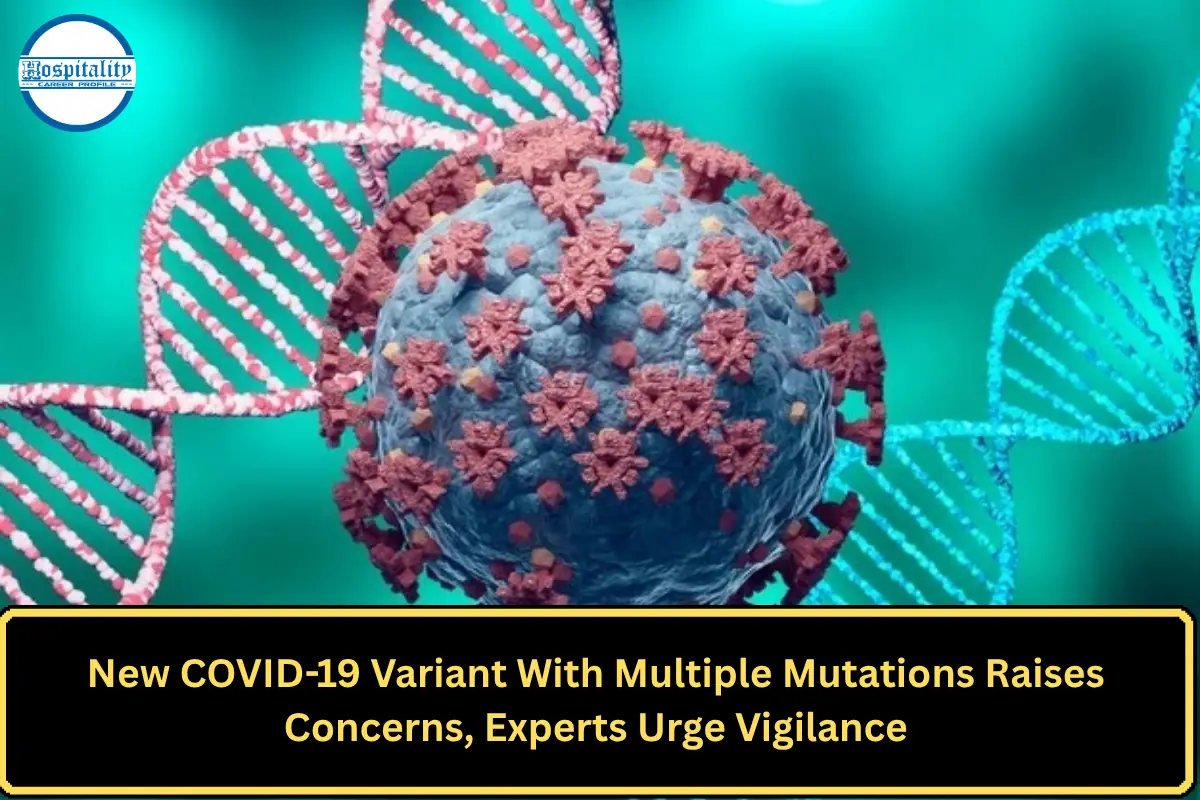
New COVID-19 Variant With Multiple Mutations Raises Concerns; Experts Urge Vigilance
A newly identified COVID-19 variant with a high number of mutations has raised concerns among health experts in March 2026, prompting calls for increased vigilance while reassuring the public that there is no immediate cause for panic. The variant, detected through ongoing surveillance efforts, is being closely monitored by scientists and public health authorities to assess its potential impact on transmission, immunity, and existing vaccines.
Researchers and doctors have noted that the variant carries an unusually large number of mutations compared to earlier strains of the virus. While such changes can sometimes alter how a virus behaves, experts emphasize that not all mutations lead to more severe disease or higher transmissibility.
What Is Known About the Variant
Preliminary findings indicate that the variant contains multiple genetic changes, particularly in regions of the virus associated with its ability to infect human cells. Scientists are studying whether these mutations could influence how easily the virus spreads or how effectively it evades immune responses developed through vaccination or prior infection.
Despite the high number of mutations, experts caution that it is too early to draw definitive conclusions about the variant’s characteristics. Laboratory studies and real-world data will be required to understand its behavior fully.
Health authorities are continuing genomic sequencing efforts to track the spread of the variant and identify any emerging patterns.
Expert Advice: Stay Alert, Not Alarmed
Medical professionals have stressed the importance of maintaining a balanced approach, urging the public to remain cautious without resorting to panic. Doctors have highlighted that the global healthcare community is now better equipped to respond to new variants compared to earlier stages of the pandemic.
Preventive measures such as wearing masks in crowded places, maintaining good hygiene, and staying up to date with vaccinations remain effective strategies in reducing the risk of infection.
Experts also emphasize the role of clear communication in preventing misinformation and unnecessary fear.
Impact on Vaccines and Immunity
One of the key questions surrounding the new variant is its potential impact on vaccine effectiveness. Current vaccines have been designed to provide protection against severe illness, and early indications suggest they may continue to offer significant defense even if some level of immune escape occurs.
Researchers are conducting studies to determine whether the mutations affect how the virus interacts with antibodies generated by vaccines or previous infections. Vaccine manufacturers may adjust formulations if necessary, as has been done with earlier variants.
Public health experts note that booster doses can play an important role in maintaining immunity against evolving strains.
Global Monitoring and Response
International health organizations and national agencies are closely monitoring the situation, sharing data and coordinating responses to ensure timely action if needed. Surveillance systems established during the pandemic continue to play a critical role in detecting and analyzing new variants.
Countries are reviewing their preparedness plans, including testing capacity, healthcare resources, and vaccination strategies, to ensure readiness in case the variant shows significant changes in behavior.
Collaboration between governments, researchers, and healthcare providers remains essential in managing the evolving situation.
Lessons From Previous Variants
Since the beginning of the pandemic, multiple variants of the virus have emerged, each with varying levels of impact. Experience gained from dealing with previous strains has improved the global response, enabling quicker identification and assessment of new threats.
Experts point out that while some variants have led to increased transmission or changes in disease severity, others have had limited impact. This variability highlights the importance of evidence-based analysis before drawing conclusions.
Ongoing research continues to provide insights into how mutations influence viral behavior and how best to respond.
Public Health Measures Remain Key
Health authorities are reiterating the importance of basic public health measures in controlling the spread of the virus. Vaccination campaigns, testing, and early detection remain central to managing outbreaks and preventing healthcare systems from becoming overwhelmed.
Individuals are encouraged to follow local guidelines and stay informed through reliable sources. Maintaining awareness without panic is considered crucial in ensuring an effective response.
Community cooperation and adherence to preventive measures continue to play a vital role in limiting the spread of infection.
Scientific Research Underway
Scientists are conducting detailed studies to understand the biological and clinical implications of the variant. This includes examining its transmissibility, severity, and response to treatments.
Advanced technologies such as genomic sequencing and computational modeling are being used to analyze the variant’s structure and predict its potential impact. Findings from these studies will guide policy decisions and healthcare strategies.
Research institutions worldwide are collaborating to accelerate the pace of discovery and share insights.
Economic and Social Considerations
The emergence of a new variant can have broader implications beyond public health, including potential effects on economic activity and social behavior. Governments and businesses are monitoring developments to assess whether additional measures may be required.
However, experts note that the global community is better prepared to manage such situations, reducing the likelihood of widespread disruptions seen earlier in the pandemic.
Maintaining a balance between caution and normalcy remains a key priority for policymakers.
Future Outlook
The situation surrounding the new COVID-19 variant is still evolving, with more data expected in the coming weeks. Health authorities will continue to assess the risk and adjust guidelines as necessary based on scientific evidence.
Experts emphasize that vigilance, combined with ongoing vaccination and public health measures, will be critical in managing any potential impact.
Continued monitoring and research will help determine whether the variant poses a significant threat or remains a manageable development in the ongoing fight against COVID-19.
Conclusion
The discovery of a new COVID-19 variant with multiple mutations has prompted heightened monitoring and caution, with experts advising vigilance while awaiting further scientific evidence to determine its overall impact.