NICE 2026 Updates Emphasise Cardiovascular Protection in Type 2 Diabetes Care
NICE 2026 guidelines for type 2 diabetes place stronger emphasis on cardiovascular risk reduction, recommending earlier use of SGLT2 inhibitors.
 Akanksha jain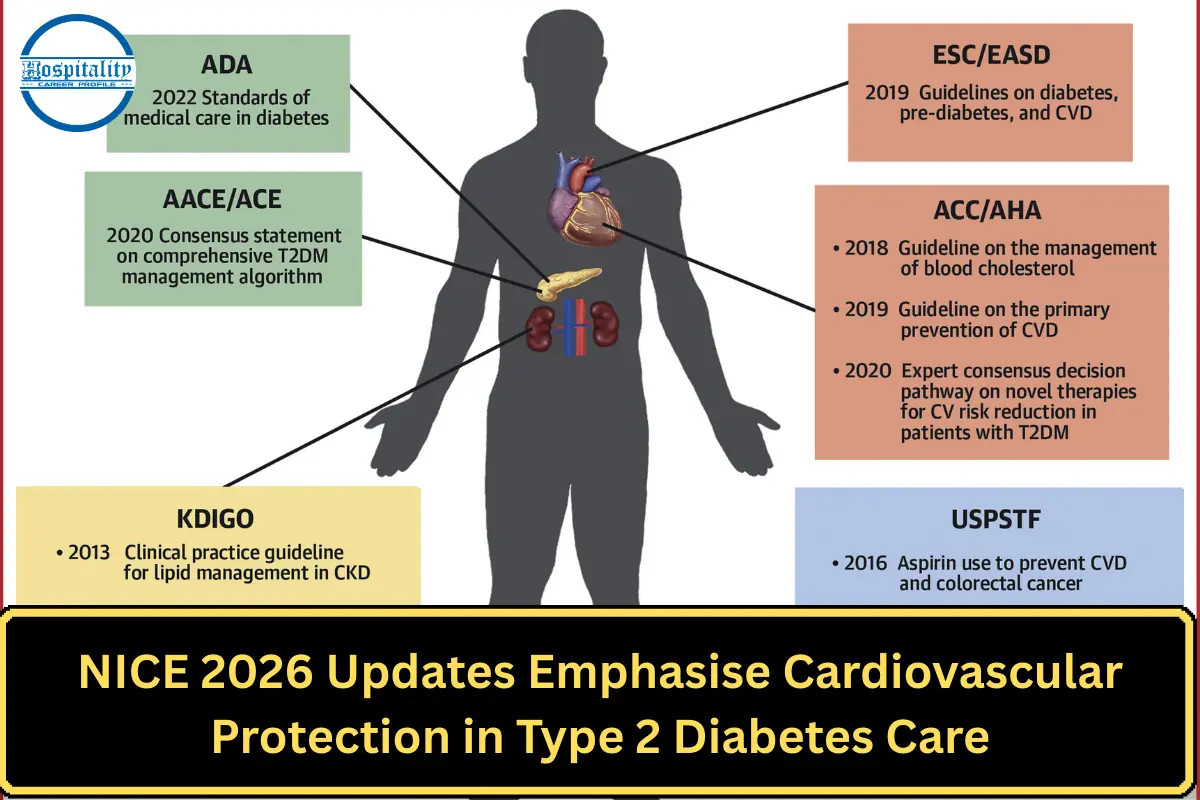
(NICE) has released its 2026 updates to type 2 diabetes guidelines, placing a stronger emphasis on cardiovascular risk reduction and recommending earlier use of SGLT2 inhibitors in appropriate patients.
According to a report by the revised recommendations, they reflect growing evidence that certain glucose-lowering therapies also provide significant heart and kidney protection.
Shift Toward Cardiovascular Outcomes
The updated guidance highlights the importance of assessing cardiovascular risk at diagnosis and throughout treatment. Patients with established cardiovascular disease or high risk may now be considered for earlier initiation of sodium-glucose cotransporter-2 (SGLT2) inhibitors.
This approach aligns diabetes management more closely with long-term prevention of heart attacks, strokes, and heart failure.
Earlier Use of SGLT2 Inhibitors:
SGLT2 inhibitors, originally developed to lower blood glucose levels, have demonstrated additional benefits in reducing hospitalization for heart failure and slowing the progression of chronic kidney disease.
The updated NICE guidelines suggest incorporating these therapies sooner in the treatment pathway for eligible individuals, rather than reserving them for later stages.
Holistic Diabetes Management
The recommendations continue to stress lifestyle modification, including diet, physical activity, and weight management, alongside pharmacological therapy. Blood pressure and lipid control remain central to comprehensive risk reduction.
Personalized treatment plans based on patient characteristics, comorbidities, and preferences are also emphasized.
Implications for Clinical Practice:
The 2026 update signals a broader shift in diabetes care—from focusing primarily on glycemic control to prioritizing cardiovascular and renal protection. Clinicians are expected to integrate risk-based decision-making more actively in routine practice.
The revised guidance reflects evolving evidence and may influence prescribing patterns and healthcare policy in the UK and beyond.