Nitish Kumar’s Son Set to Join JD(U), Marking Entry into Active Politics
The son of Bihar Chief Minister Nitish Kumar is set to join the Janata Dal (United), marking his formal entry into active politics and drawing attention to political succession in the state.
 SANJANA DUTTA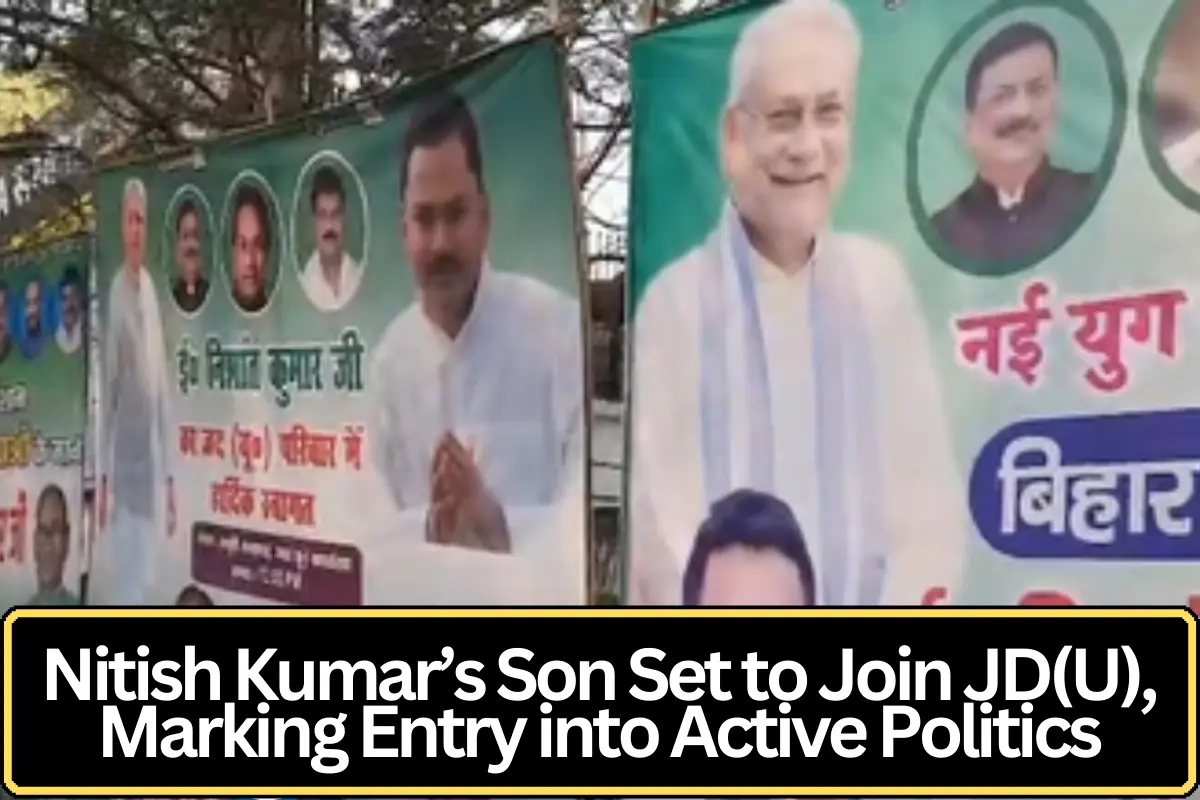
New Entry into Bihar’s Political Landscape
The son of Bihar Chief Minister Nitish Kumar is set to formally join the Janata Dal (United) (JD(U)), marking his entry into active politics. The development has attracted attention within political circles as it could signal the beginning of a new generation of leadership within the party.
According to reports, the move is expected to take place during a party event where senior JD(U) leaders and workers will be present. The decision has sparked discussions about the evolving political dynamics in Bihar and the future leadership of the regional party.
The entry of political family members into public life is a common feature in Indian politics, and observers say this development reflects broader trends seen across several political parties.
JD(U) and Its Political Role in Bihar
The Janata Dal (United), led by Nitish Kumar, has been a key political force in Bihar for many years. The party has played an important role in state governance and coalition politics at the national level.
Nitish Kumar, a veteran political leader, has served multiple terms as the Chief Minister of Bihar and has remained one of the most influential figures in the state’s political landscape.
The potential involvement of his son in the party could add a new dimension to JD(U)’s internal leadership structure.
Growing Interest Among Party Workers
Reports suggest that party workers and supporters have shown interest in the upcoming development. Some view the move as an opportunity to bring younger leadership into the organisation, while others are observing how the transition may influence party dynamics.
Political analysts note that the entry of younger members into established political parties often brings renewed energy and perspectives.
However, it can also trigger debates about political succession and the role of family influence in democratic politics.
Debate Around Political Dynasties
The involvement of family members of prominent leaders in politics frequently sparks discussions about political dynasties in India. Critics argue that such practices may limit opportunities for grassroots leaders, while supporters say family members often grow up closely observing governance and public service.
In many cases, political families have produced multiple leaders who continue to influence public life across generations.
The entry of Nitish Kumar’s son into politics is therefore being viewed within the broader context of this ongoing debate.
Future Political Prospects
While the immediate focus is on his formal joining of the party, observers are closely watching how his political journey unfolds. His responsibilities within the party and the role he may play in future elections remain subjects of speculation.
Political analysts say the coming months will likely reveal how the party integrates new leadership and prepares for future political challenges in the state.
As Bihar’s political landscape continues to evolve, the development highlights how generational shifts within parties can shape the future direction of regional politics.