One Health Approach Powerful WHO Call for Science Action
One Health approach gains urgency as WHO calls for science-led action to tackle climate-driven health risks and strengthen global preparedness.
 Shah Vaibhavi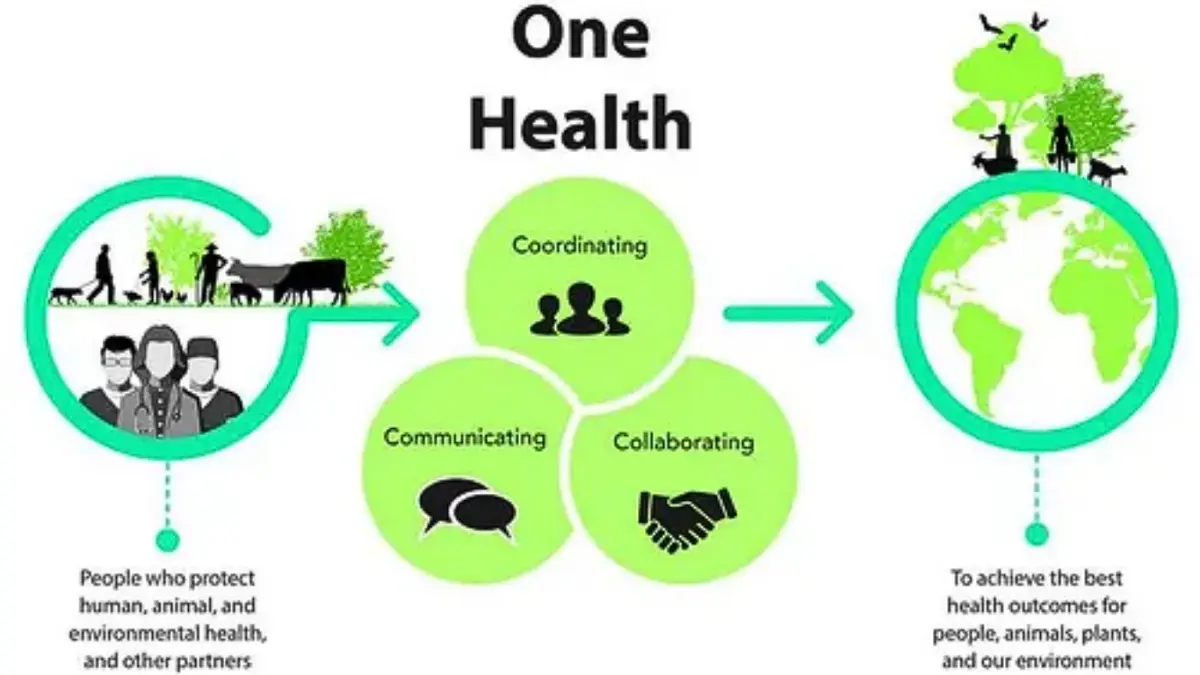
one health approach is gaining urgent global attention as the World Health Organization calls for stronger science-led action to tackle evolving health risks. With climate change, environmental shifts, and disease patterns becoming more complex, experts emphasize that integrated solutions are essential for protecting public health.
One Health Approach and Global Health Risks
The one health approach focuses on the connection between human health, animal health, and the environment. According to the World Health Organization, rising global health risks are increasingly linked to climate variability, environmental degradation, and emerging infectious diseases.
This approach encourages collaboration across sectors, ensuring that health policies are backed by scientific evidence. By integrating data from multiple disciplines, countries can better predict and respond to outbreaks, extreme weather events, and environmental hazards.
WHO Science Action and Climate Health Impact
The one health approach is central to WHO science action aimed at improving preparedness and response systems. Initiatives like the Global Heat Health Information Network in South Asia are designed to translate scientific data into early warnings and practical solutions.
This reflects the growing climate health impact, where extreme heat, vector-borne diseases, and environmental changes are affecting millions of people. Countries in the South-East Asia region are already adopting innovative measures. For example, Bangladesh is strengthening dengue surveillance, while India is expanding digital monitoring systems for early detection.
Disease Surveillance Systems and Future Preparedness
Strengthening disease surveillance systems is a key priority under the one health approach. Improved data sharing, interoperable systems, and investments in research are necessary to ensure timely responses to health threats.
Experts highlight that collaboration between governments, scientists, and communities is essential. Health workers play a critical role in delivering evidence-based care, while communities must rely on trusted information to adopt protective behaviors.
The one health approach ultimately provides a framework for addressing interconnected challenges in a holistic way. By placing science at the center of decision-making, countries can build resilient health systems capable of responding to future crises.
Overall, the call for science-led action reinforces the importance of global cooperation, innovation, and preparedness in safeguarding public health in an increasingly uncertain world.