Pacific Pocket Mouse Study Finds Climate Adaptation Genes in California
Study finds endangered Pacific pocket mouse retains genetic traits for climate adaptation, though isolation threatens survival in California.
 Shah Vaibhavi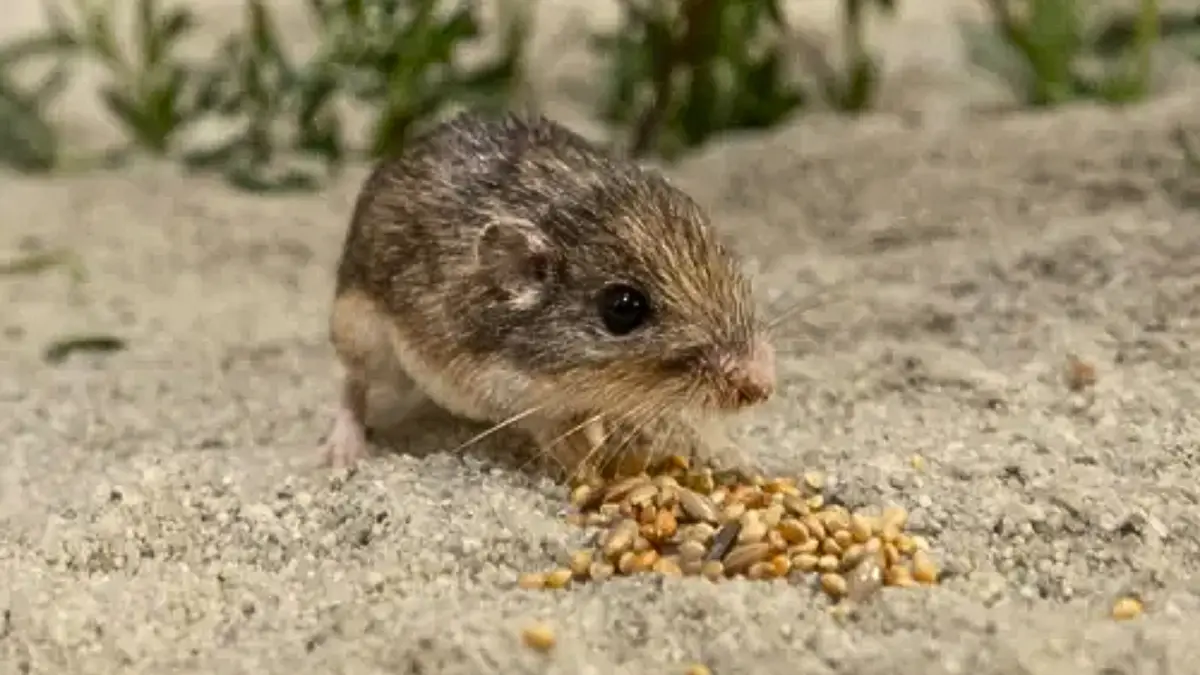
California, April 17, 2026 — Genetic analysis of the critically endangered Pacific pocket mouse has found that the species retains traits that could support adaptation to rising temperatures, though habitat fragmentation and population isolation continue to threaten its long-term survival.
The findings, published in Science Advances, are based on genetic data collected from the species over nearly a century. Researchers identified multiple genes linked to climate resilience, suggesting that despite severe population decline, the species has not entirely lost its capacity to respond to environmental change.
Genetic study identifies climate-linked traits
Scientists examined historical and modern genetic samples of the Pacific pocket mouse (Perognathus longimembris pacificus), a small rodent native to coastal southern California. The analysis revealed 14 genes that retain variation associated with climate adaptation, including those linked to physiological functions such as heart performance, which may support heat regulation.
While modern populations show increased inbreeding compared to earlier samples, the persistence of these adaptive genes indicates that the species may still have the biological capacity to adjust to warmer conditions. However, researchers noted that the extent to which isolated populations can independently adapt remains uncertain.
Population decline and habitat fragmentation
The Pacific pocket mouse once occupied a coastal range extending from Los Angeles to northern Mexico. After going undetected for more than 20 years, the species was rediscovered in the early 1990s and subsequently listed under the U.S. Endangered Species Act.
Today, only three small wild populations remain south of Los Angeles. Urban development has fragmented habitats, leaving these groups geographically isolated. This separation restricts gene flow, increasing the risk of inbreeding and reducing the spread of beneficial genetic traits across populations.
Conservation program mixes genetic diversity
In response to declining numbers, a conservation breeding program was launched in 2012. The initiative involves breeding individuals from the three remaining populations and releasing offspring into Laguna Coast Wilderness Park in Laguna Beach, California.
Genetic analysis suggests that these reintroduced populations, which combine genes from different groups, may already be showing signs of improved adaptability. By mixing genetic material, the program aims to enhance overall diversity and strengthen the species’ ability to cope with environmental stressors.
The study indicates that each wild population retains unique genetic variations. Combining these variations through managed breeding may increase the likelihood of retaining adaptive traits that could otherwise be lost in isolated groups.
Environmental risks threaten remaining populations
The exact number of Pacific pocket mice remaining in the wild is unknown, adding uncertainty to conservation planning. Small population size makes the species highly vulnerable to environmental disturbances, including flooding and prolonged drought.
Such events can rapidly reduce population numbers, further eroding genetic diversity. Researchers emphasized that once genetic variation is lost, it cannot be restored, making early conservation intervention critical.
Implications for species survival under climate change
The study highlights the dual challenge faced by endangered species in a warming climate: retaining sufficient genetic diversity while overcoming the effects of habitat fragmentation. Although the Pacific pocket mouse shows potential for adaptation, its survival will likely depend on continued conservation efforts that maintain and enhance genetic exchange.
The findings underscore the importance of integrating genetic data into conservation strategies, particularly for species with limited populations. By identifying and preserving adaptive traits, conservation programs may improve the resilience of vulnerable species facing rapid environmental change.