Pharmaceutical Industry Expands AI Use to Cut Drug Development Costs and Timelines
Pharmaceutical companies are increasing investments in artificial intelligence to speed up drug discovery, reduce costs, and improve clinical trial efficiency.
 Akanksha jain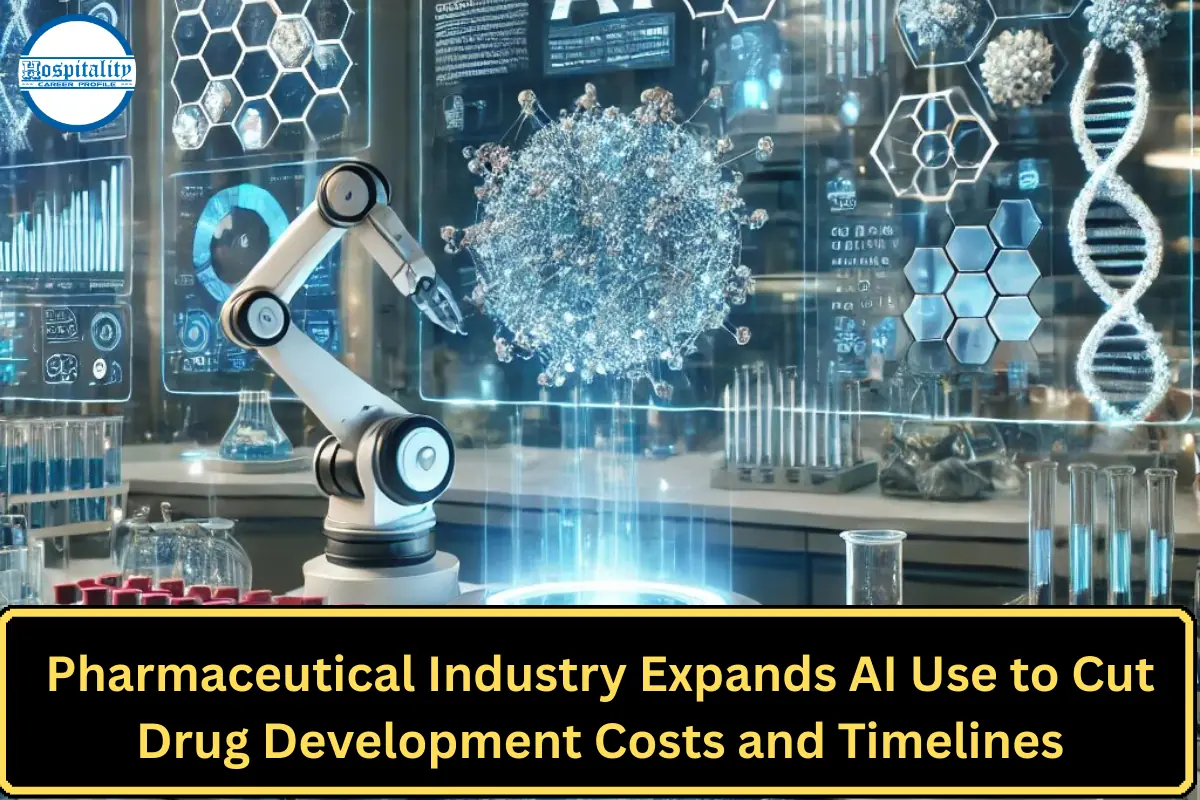
The global pharmaceutical industry is increasingly investing to accelerate drug discovery and reduce the high costs associated with developing new medicines.
Leading drugmakers and biotech firms are adopting AI-driven technologies to analyze large datasets, identify potential drug targets, and streamline research processes.
AI Transforming Drug Discovery:
Developing a new medicine can take more than a decade and cost billions of dollars. AI tools are helping researchers analyze biological data faster, enabling scientists to identify promising drug candidates more efficiently.
Machine learning models can examine genetic information, molecular structures, and clinical datasets to predict how potential treatments may interact with the human body.
Reducing Costs and Timelines
Pharmaceutical companies hope that AI technologies will significantly shorten research timelines and reduce development costs by improving early‑stage drug screening.
By identifying unsuccessful candidates earlier in the process, AI may help reduce the number of costly clinical trials that ultimately fail.
Improving Clinical Trials
AI is also being used to design more efficient clinical trials by identifying suitable patient populations and predicting treatment outcomes.
< p> This approach could help accelerate the development of therapies for complex diseases while improving the chances of successful trial results.
Growing Industry Investment
Major pharmaceutical companies are forming partnerships with technology firms and AI startups to integrate advanced analytics into their research pipelines.
Experts say AI is expected to play an increasingly important role in the future of drug development as companies seek faster, more cost‑effective ways to bring new treatments to market.