Plant Technique Enables Rare-Earth Extraction Without Damage
Scientists develop a non-destructive method to detect rare-earth elements in plants, improving plant-based mining from polluted soils and mine waste.
 Shah Vaibhavi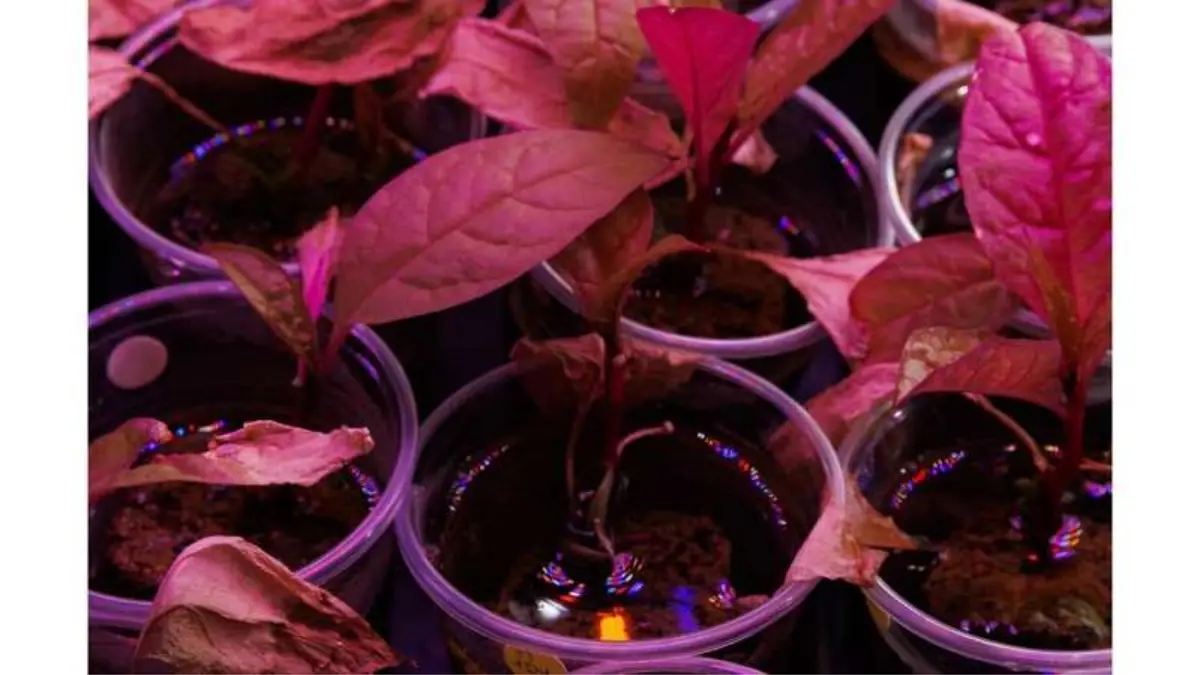
Raleigh, April 2026 — Researchers at North Carolina State University have developed a new method to detect and measure rare-earth elements inside plants without harming them, offering a potential breakthrough in plant-based mining techniques aimed at recovering critical materials from polluted environments.
The approach uses fluorescence spectroscopy to identify and quantify rare-earth metals absorbed by plants growing in contaminated soils, including mine waste and acid drainage sites. The method allows repeated testing of the same plant, providing a way to determine optimal harvesting times and improve extraction efficiency.
Non-Destructive Detection of Rare-Earth Elements
Rare-earth elements are essential components in technologies such as mobile devices, wind turbines and electric vehicle motors. Despite their name, these elements are relatively abundant but rarely occur in concentrations high enough for economical extraction. As a result, there is growing interest in alternative recovery methods, particularly from waste materials.
Plants capable of absorbing and concentrating these elements offer one such alternative. However, a major limitation has been the inability to measure metal concentrations in plant tissues without destroying samples. The newly developed technique addresses this gap by enabling in situ analysis.
The method relies on fluorescence spectroscopy, which detects how chemical compounds absorb and re-emit light at specific wavelengths. By analyzing emission patterns and intensity, researchers can determine both the presence and concentration of rare-earth elements within plant tissue.
Focus on Dysprosium and Measurement Accuracy
The study focused on dysprosium, a rare-earth element widely used in advanced manufacturing. Dysprosium was selected due to its relatively long fluorescence emission time, which allows it to be distinguished from the plant’s natural background fluorescence.
Researchers enhanced detection by treating plant tissue with sodium tungstate, a compound that interacts with dysprosium and amplifies its light emission. A deep ultraviolet laser was then used to trigger fluorescence, and emitted wavelengths were measured to calculate concentration levels.
Results showed that the method accurately identified both the presence and quantity of dysprosium in plant samples. The ability to measure concentration without destroying plant material enables continuous monitoring, a key factor in optimizing phytomining operations.
Testing on Plants in Contaminated Substrates
The technique was demonstrated using two species of pokeweed grown in substrates containing rare-earth elements. These plants are known for their ability to absorb metals from polluted soils, making them suitable candidates for phytomining applications.
Plant tissues were externally treated and analyzed after exposure to contaminated material. The fluorescence signals obtained allowed researchers to track how much dysprosium had accumulated within the plant over time.
This repeated testing capability is critical for determining when plants reach peak metal concentration, allowing for more efficient harvesting cycles and improved recovery yields.
Implications for Environmental Remediation
Phytomining has been proposed as a way to extract valuable materials while simultaneously cleaning polluted environments such as fly ash ponds and areas affected by acid mine drainage. However, low concentrations of rare-earth elements in these sites have historically limited the feasibility of such approaches.
By improving measurement precision and enabling real-time monitoring, the new technique could help overcome this limitation. It provides a tool for identifying suitable plant species, tracking accumulation rates and refining harvesting strategies to maximize output.
The research is part of a broader effort to develop domestic sources of rare-earth materials while addressing environmental contamination. Recovering metals from waste streams could reduce dependence on imported resources and support sustainable supply chains.
Expansion to Other Rare-Earth Elements
Preliminary findings indicate that the method can be adapted to detect other rare-earth elements, including terbium and europium. Researchers also suggest that erbium and neodymium could be measured with minor adjustments to the experimental setup.
Further work is needed to determine the technique’s applicability across a wider range of elements, but early results demonstrate its potential as a flexible tool for plant-based resource recovery.
The study, published in the journal Plant Direct, highlights how advances in analytical techniques can support emerging approaches to resource extraction and environmental management. Researchers continue to explore how the method can be integrated into large-scale phytomining systems and applied to different contaminated environments.