Plastic Additives Linked to Millions of Preterm Births Worldwide, Study Finds
A global study finds that exposure to plastic additives may be linked to millions of preterm births, raising concerns about environmental health risks.
 Akanksha jain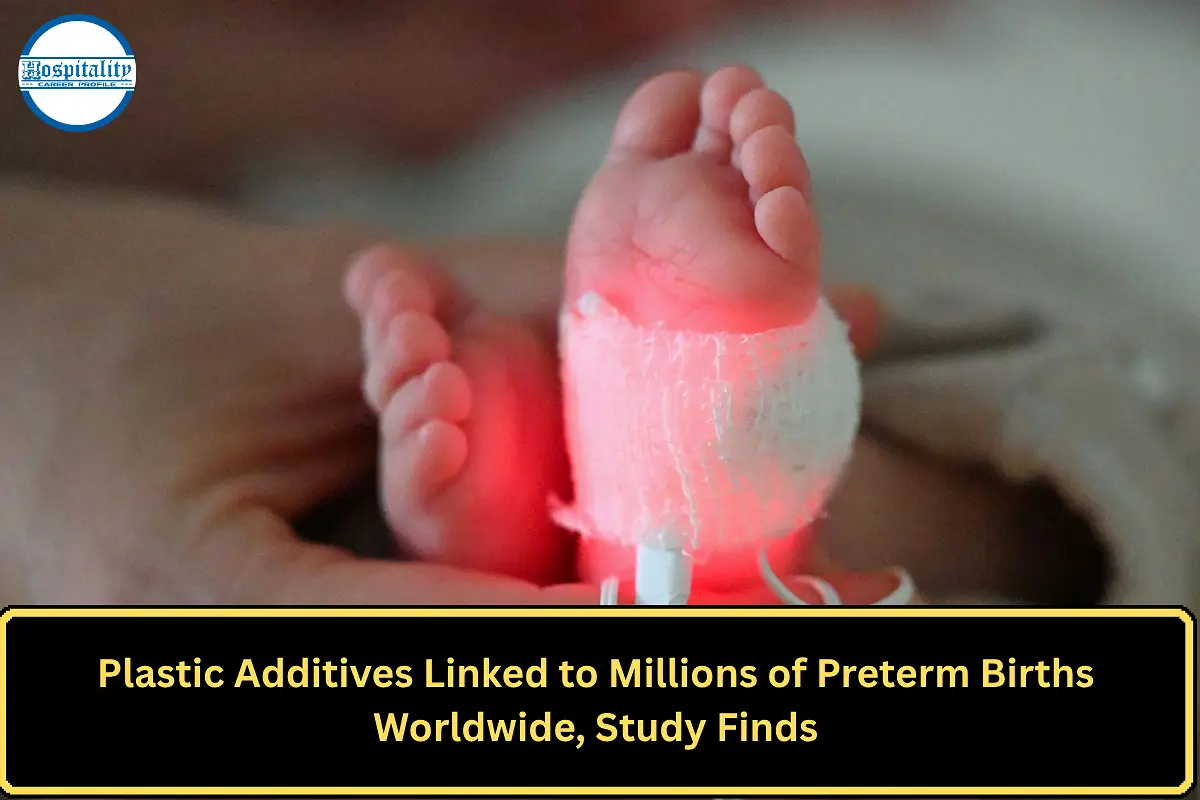
Plastic Additives Linked to Millions of Preterm Births Worldwide, Study Finds
Exposure to certain plastic additives may be linked to millions of preterm births globally, according to a study released in 2026, highlighting growing concerns over the impact of environmental chemicals on maternal and infant health. The research, conducted by an international team of scientists, analyzed global data and found a significant association between exposure to commonly used plastic chemicals and early deliveries across multiple regions.
The study focuses on substances known as phthalates, which are widely used to make plastics more flexible and durable. These chemicals are found in a range of everyday products, including food packaging, medical devices, cosmetics, and household items. Researchers say that widespread exposure to these substances may be contributing to adverse pregnancy outcomes, including premature births.
Global Scope of the Findings
The researchers estimated that millions of preterm births each year could be associated with exposure to plastic additives, particularly in regions with high levels of environmental contamination. The study used population data, exposure levels, and health outcomes to assess the scale of the issue across different countries.
Preterm birth, defined as delivery before 37 weeks of pregnancy, is a leading cause of infant mortality and long-term health complications. Babies born prematurely are at increased risk of respiratory issues, developmental delays, and chronic health conditions later in life.
The findings suggest that environmental factors, including chemical exposure, may play a larger role in preterm birth rates than previously understood.
How Plastic Additives Affect Pregnancy
Phthalates and similar chemicals are known to interfere with the endocrine system, which regulates hormones in the body. During pregnancy, hormonal balance is critical for maintaining healthy fetal development and timing of birth.
The study indicates that exposure to these chemicals may disrupt hormonal signals, potentially triggering early labor. Researchers also noted that inflammation and oxidative stress caused by chemical exposure could contribute to complications during pregnancy.
Pregnant individuals may be exposed to these substances through ingestion, inhalation, or skin contact, making it difficult to completely avoid them in daily life.
Regional Variations and Risk Factors
The impact of plastic additives on preterm birth rates appears to vary by region, with higher risks observed in areas with greater industrial activity and less stringent environmental regulations. Developing countries, where exposure levels may be higher and healthcare access more limited, could face a disproportionate burden.
Socioeconomic factors also play a role, as individuals in lower-income communities may be more likely to encounter higher levels of environmental toxins. These disparities highlight the need for targeted public health interventions and policy measures.
Researchers emphasize that reducing exposure to harmful chemicals could help lower the global incidence of preterm births and improve maternal and child health outcomes.
Implications for Public Health Policy
The findings have significant implications for public health and regulatory frameworks. Experts are calling for stricter controls on the use of harmful plastic additives and increased monitoring of environmental exposure levels.
Some countries have already introduced regulations limiting the use of certain phthalates in consumer products, particularly those intended for children. However, the study suggests that broader measures may be necessary to address the widespread nature of exposure.
Public health agencies may also need to increase awareness about the potential risks associated with plastic additives and provide guidance on reducing exposure, particularly for pregnant individuals.
Challenges in Reducing Exposure
Despite growing awareness, reducing exposure to plastic additives remains a challenge due to their widespread use in modern life. These chemicals are present in a variety of products and environments, making complete avoidance difficult.
Researchers note that while individual actions—such as avoiding certain plastics and choosing safer alternatives—can help, systemic changes are needed to achieve meaningful reductions in exposure. This includes industry-level reforms and stronger regulatory oversight.
Improving labeling and transparency around chemical use in consumer products may also empower individuals to make more informed choices.
Future Research Directions
The study highlights the need for further research to better understand the mechanisms by which plastic additives affect pregnancy and to identify the most harmful compounds. Long-term studies tracking exposure and health outcomes will be critical in confirming the findings and guiding policy decisions.
Scientists are also exploring alternative materials and safer chemical formulations that could replace harmful additives in plastics. Advances in green chemistry may play a key role in reducing the health risks associated with everyday products.
Collaboration between researchers, policymakers, and industry stakeholders will be essential in addressing this complex issue.
Protecting Maternal and Infant Health
Healthcare professionals emphasize the importance of minimizing exposure to environmental toxins during pregnancy as part of broader efforts to protect maternal and infant health. While it may not be possible to eliminate all risks, awareness and preventive measures can make a difference.
Simple steps such as reducing the use of plastic containers for food storage, avoiding products with known harmful chemicals, and maintaining a healthy environment may help lower exposure levels.
At the same time, systemic changes in manufacturing and regulation will be crucial in creating safer environments for future generations.
Conclusion
The study linking plastic additives to millions of preterm births underscores the urgent need for global action to address environmental health risks, with further research and policy measures expected to shape future efforts to protect maternal and infant well-being.