Politics of Rehabilitation: Why Wayanad Has Emerged as a Key Electoral Battleground Ahead of Kerala Polls
Wayanad has become a political flashpoint ahead of the Kerala elections, with rehabilitation efforts and development promises shaping the electoral narrative.
 SANJANA DUTTA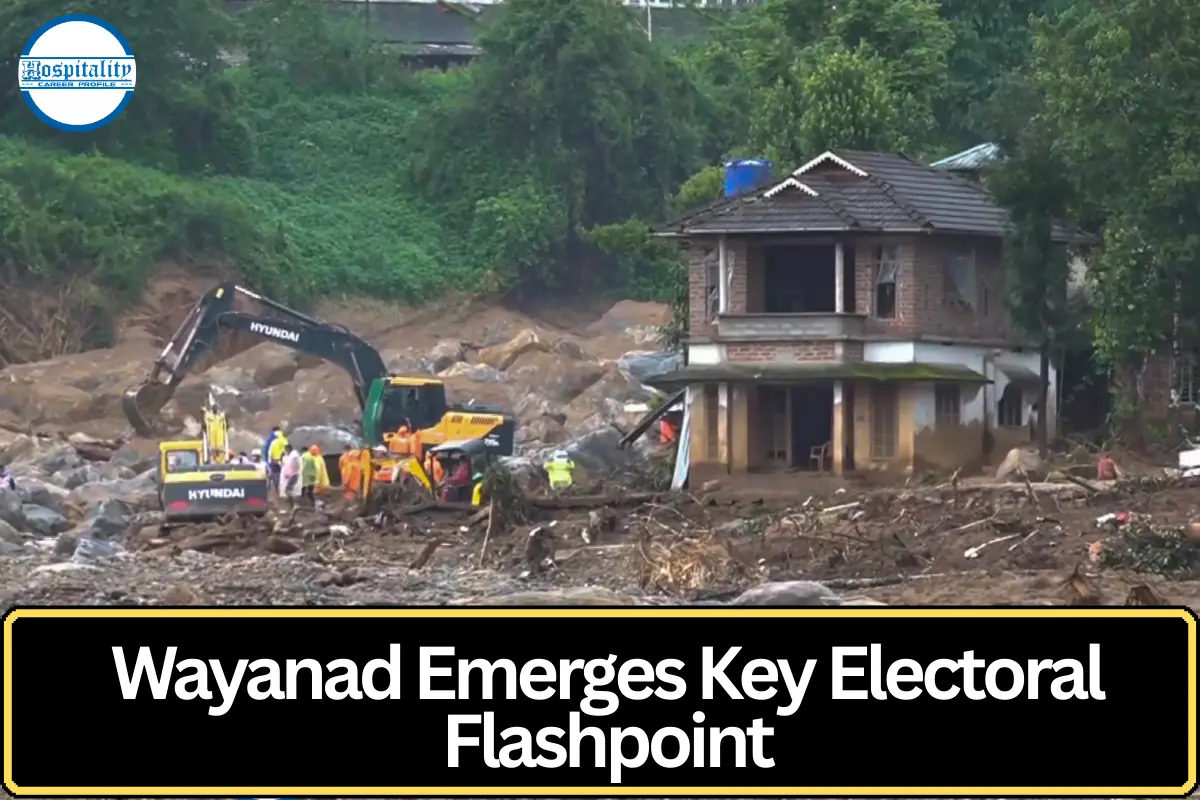
Wayanad at the Centre of Kerala’s Political Debate
As Kerala prepares for the upcoming Assembly elections, Wayanad has emerged as a crucial focal point in the state’s political discourse. Once primarily known for its scenic beauty and tribal heritage, the district is now at the centre of a heated debate over rehabilitation, governance, and development priorities. Political parties across the spectrum are sharpening their strategies around the region, highlighting rehabilitation efforts and policy responses as key electoral talking points.
The renewed focus on Wayanad stems largely from rehabilitation measures linked to natural disasters and displacement concerns that have affected communities in recent years. Questions around compensation, housing, infrastructure rebuilding, and livelihood restoration have transformed what was once an administrative challenge into a politically charged issue.
Rehabilitation as a Political Narrative
Rehabilitation policies often test a government’s administrative efficiency and sensitivity to affected communities. In Wayanad, where landslides and extreme weather events have displaced families and damaged infrastructure, the pace and execution of rehabilitation projects have come under scrutiny.
Ruling party leaders argue that substantial progress has been made in resettlement and infrastructure development. They point to housing projects, financial assistance packages, and improved connectivity as evidence of commitment to long-term rebuilding. According to government representatives, the focus has been on sustainable rehabilitation rather than short-term relief.
Opposition parties, however, contend that gaps remain in implementation. They claim that delays in disbursal of funds, incomplete housing projects, and bureaucratic hurdles have slowed recovery efforts. For them, Wayanad symbolizes broader governance challenges that they intend to spotlight during the campaign season.
Ground Realities and Community Concerns
At the grassroots level, affected families continue to seek clarity regarding permanent housing, compensation, and livelihood restoration. Many residents emphasize that rehabilitation is not limited to rebuilding physical structures but also involves restoring economic stability and social security.
Farmers, small traders, and daily wage earners in the region have expressed concerns about employment disruptions caused by displacement. Political leaders visiting the district have engaged with these communities, promising expedited action and long-term development plans.
Electoral Calculations in Wayanad
Wayanad holds strategic importance in Kerala’s political map. Its diverse demographic composition, including tribal communities, farmers, and migrant populations, makes it a microcosm of broader state-level dynamics. Political analysts believe that performance in such districts can influence statewide narratives.
Parties are framing rehabilitation not only as a welfare measure but as a benchmark of administrative credibility. Campaign speeches increasingly reference Wayanad’s rebuilding process, presenting it either as a success story or as evidence of unmet promises, depending on the political platform.
Competing Visions of Development
The debate has also expanded beyond immediate rehabilitation to encompass larger questions of environmental sustainability and infrastructure planning. Some leaders argue that better land-use policies and disaster preparedness frameworks are essential to prevent recurring crises. Others emphasize accelerated infrastructure growth to boost tourism and economic opportunities.
These differing visions are shaping campaign narratives. While one side advocates cautious development aligned with environmental safeguards, another stresses rapid economic expansion to generate employment and revenue.
Tribal Welfare and Social Equity
Wayanad’s significant tribal population adds another layer to the political discourse. Rehabilitation efforts intersect with longstanding issues related to land rights, access to education, healthcare, and social welfare schemes. Advocacy groups have urged political parties to ensure that disaster recovery initiatives do not overlook historically marginalized communities.
Leaders across parties have pledged inclusive development, promising targeted schemes and enhanced representation. However, civil society organizations caution that policy commitments must translate into tangible improvements on the ground.
Infrastructure and Connectivity
Improving road networks, healthcare facilities, and educational institutions in Wayanad has become a central campaign promise. Political representatives argue that enhanced infrastructure will not only aid rehabilitation but also strengthen resilience against future challenges.
Critics note that infrastructure upgrades must be balanced with environmental considerations, given the district’s ecological sensitivity. The interplay between development and conservation remains a recurring theme in public discussions.
Political Messaging and Symbolism
The prominence of Wayanad in campaign rhetoric reflects a broader strategy of using local issues to shape statewide perception. Rehabilitation projects provide visible markers of governance — new housing clusters, rebuilt roads, and compensation announcements become symbols of administrative action.
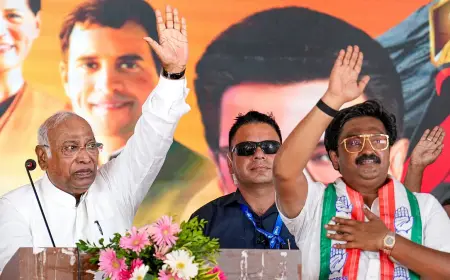
Opposition campaigns have highlighted site visits and testimonies from residents to underscore perceived shortcomings. Meanwhile, the ruling establishment showcases completed projects and ongoing initiatives as proof of effective leadership.
Media and Public Engagement
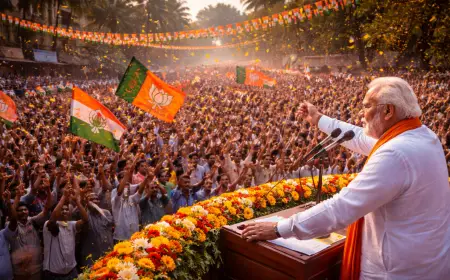
Media coverage has amplified Wayanad’s profile, turning district-level concerns into state-wide debate. Political leaders frequently address the issue in press briefings, public rallies, and legislative discussions. Social media platforms further extend the conversation, allowing residents and observers to share updates and opinions in real time.
This heightened visibility has ensured that rehabilitation in Wayanad remains at the forefront of electoral discourse.
Economic Implications
Beyond humanitarian considerations, rehabilitation carries economic implications. Effective rebuilding can stimulate local economies through construction activity, tourism revival, and agricultural recovery. Conversely, delays or inefficiencies may prolong economic stagnation.
Political parties have proposed various economic packages aimed at boosting local enterprises, supporting farmers, and encouraging sustainable tourism. The viability and execution of these proposals are likely to influence voter sentiment.
Looking Ahead to the Polls
As campaigning intensifies, Wayanad’s rehabilitation efforts are expected to remain a key campaign issue. Political strategists recognize that voter perceptions regarding government responsiveness and accountability can significantly impact electoral outcomes.
For residents, the election period offers an opportunity to press for clarity, transparency, and accelerated action. Community leaders continue to emphasize that the true measure of political commitment will be visible in completed projects and improved livelihoods.
Conclusion
The politics of rehabilitation in Wayanad encapsulates the broader challenges of governance in disaster-prone regions. What began as an administrative response to natural calamities has evolved into a defining electoral theme ahead of Kerala’s Assembly polls.
With competing narratives around progress and shortcomings, Wayanad stands as a symbol of both resilience and political contestation. The coming months will reveal whether rehabilitation efforts translate into electoral advantage for any party — and whether promises made during campaign season lead to lasting transformation on the ground.
Ultimately, the focus on Wayanad underscores a central reality of democratic politics: local issues, when amplified by public sentiment and political strategy, can shape the trajectory of statewide elections.