Scientists Develop Precision Molecular “Keys” Targeting EGFR for Next-Gen Cancer Therapies
Researchers have designed precision molecular compounds targeting EGFR, offering potential new pathways for more effective and selective cancer treatments.
 Akanksha jain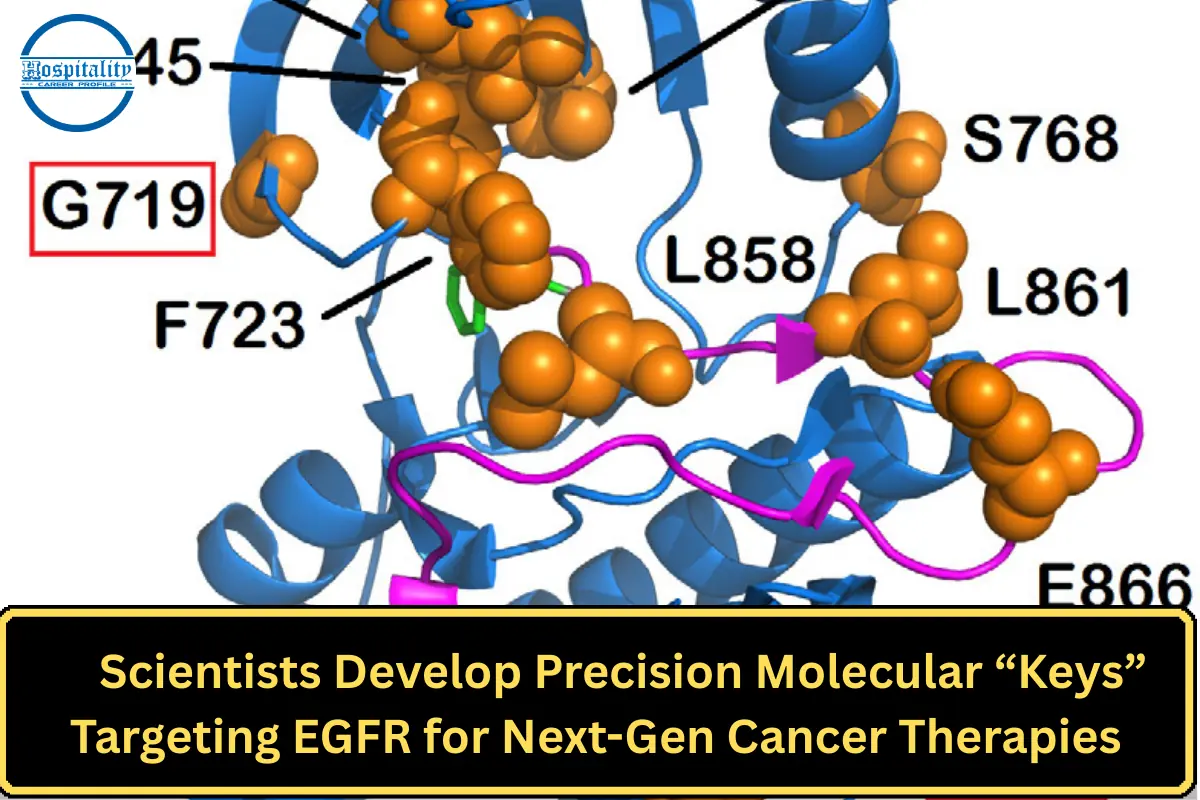
Scientists have engineered a new class of precision molecular compounds designed to selectively target the epidermal growth factor receptor (EGFR), a protein commonly implicated in several types of cancer.
EGFR plays a critical role in regulating cell growth and division. When mutated or overexpressed, it can drive uncontrolled tumor growth. Targeted therapies against EGFR already exist, but resistance and off-target effects remain major clinical challenges.
Designing Molecular “Keys”
The research team synthesized highly specific molecules described as “precision molecular keys” that are engineered to bind more accurately to EGFR. By improving selectivity, the approach aims to minimize unintended interactions with healthy cells.
Such precision targeting could potentially enhance therapeutic effectiveness while reducing side effects—a key objective in modern oncology drug development.
Overcoming Drug Resistance
One of the persistent issues with existing EGFR inhibitors is the development of resistance mutations. The newly designed molecules may offer alternative binding strategies, potentially helping to address resistance mechanisms that limit current treatment options.
If validated in further preclinical and clinical studies, the innovation could expand the arsenal of targeted therapies available for cancers such as lung, colorectal, and head and neck cancers, where EGFR plays a pivotal role.
Implications for Precision Medicine
The study reflects the broader shift toward precision medicine—designing treatments based on specific molecular characteristics of disease. By tailoring drugs to interact with defined biological targets, researchers aim to improve outcomes and personalize cancer care.
While the findings are still in the research phase, the development highlights promising directions in rational drug design and structure-based molecular engineering.