Study Shows Positive Pregnancy Outcomes After Robotic Myomectomy
A study analyzing 243 cases reports encouraging pregnancy and birth outcomes following robotic myomectomy, highlighting its potential benefits for women with uterine fibroids.
 Akanksha jain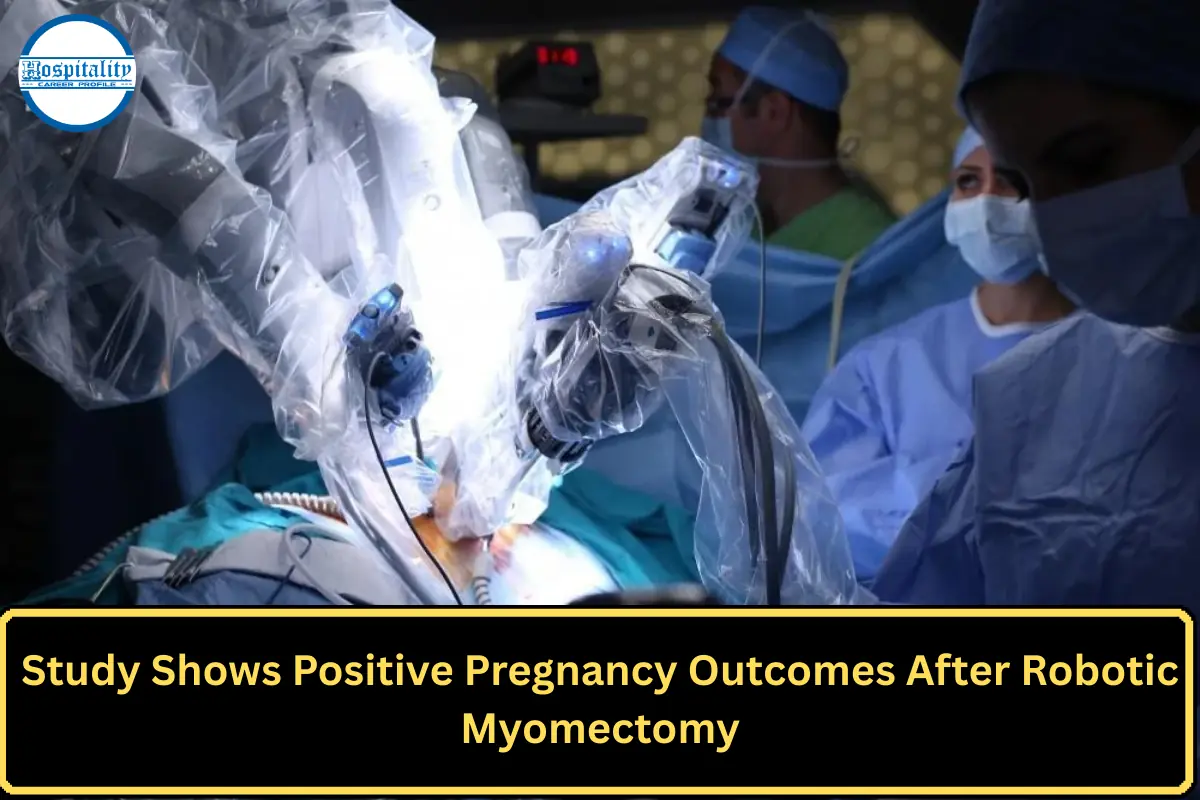
A recent study examining 243 cases has reported encouraging pregnancy and birth outcomes following a minimally invasive surgical procedure used to remove uterine fibroids.
An effective option for women who wish to preserve fertility and achieve successful pregnancies in the future.
Understic myomectomy is a surgical technique that uses robotic‑assisted technology to remove fibroids from the uterus while preserving the organ. The procedure allows surgeons to perform precise movements through small incisions, reducing surgical trauma and recovery time.
Compared with traditional open surgery, robotic‑assisted procedures often result in less blood loss, smaller scars, and shorter hospital stays.
Study Findings on Pregnancy Outcomes
The study evaluated pregnancy and birth outcomes in women who underwent robotic myomectomy. Researchers reported that many patients were able to conceive successfully after the procedure.
The results also indicated generally favorable delivery outcomes, suggesting that the surgery can support future reproductive health in women affected by fibroids.
Benefits for Women with Fibroids:
Uterine fibroids are non‑cancerous growths that develop in or around the uterus. They can cause symptoms such as heavy menstrual bleeding, pelvic pain, and fertility challenges.
For women seeking treatment while preserving fertility, robotic myomectomy may offer a minimally invasive surgical option that balances symptom relief with reproductive goals.
Advancing Minimally Invasive Gynecological Surgery
Experts say advances in robotic‑assisted surgery are improving treatment options for gynecological conditions. As technologies evolve, procedures like robotic myomectomy could help enhance surgical precision and improve long‑term patient outcomes.
Further research is expected to continue evaluating long‑term reproductive outcomes and the broader benefits of robotic‑assisted procedures in women’s health.