Tinubu Grants 30% Debt Relief to Nigerian Airlines Amid Fuel Crisis, Reuters
Nigeria grants 30% debt relief to airlines and orders urgent jet fuel price talks after fuel costs surged nearly 300%, threatening operations.
 Tripti Srivastava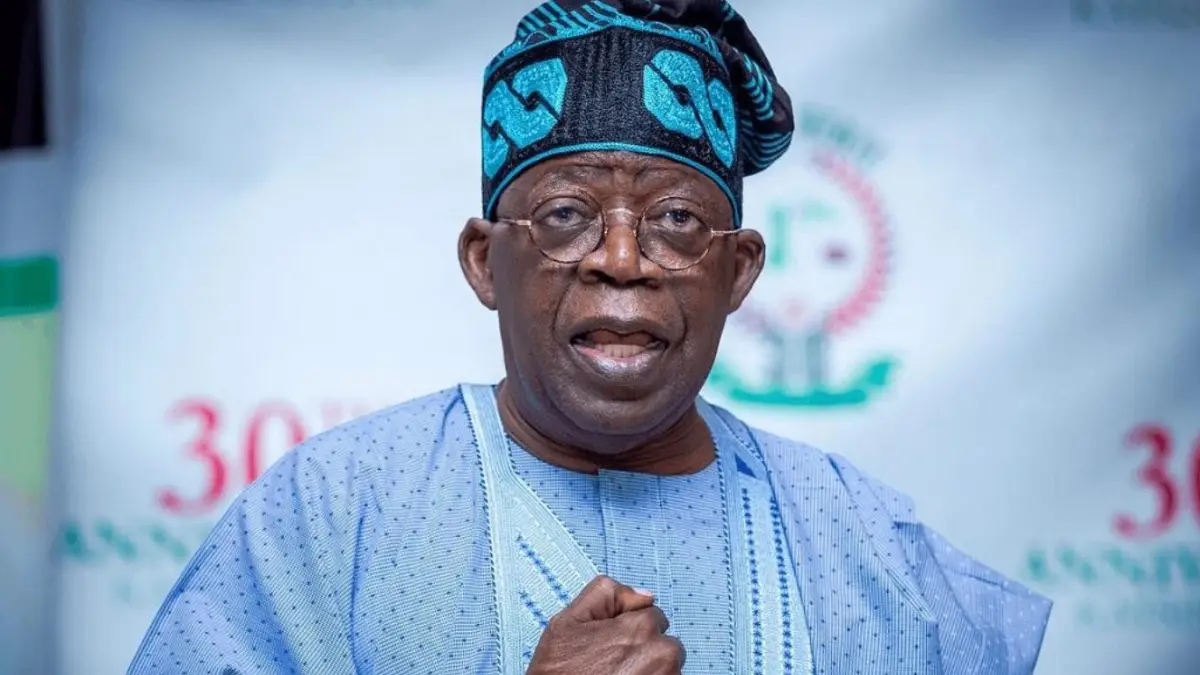
April 24, 2026: Nigeria has approved a 30% debt relief for domestic airlines while initiating urgent negotiations on jet fuel pricing, as operators face mounting financial pressure following a nearly 300% surge in fuel costs, according to Reuters. The measures aim to stabilise the aviation sector and prevent further operational disruptions.
Debt Relief Measures for Airlines
Nigerian President Bola Ahmed Tinubu has authorised a 30% reduction in debts owed by local airlines to aviation agencies, providing immediate financial relief to carriers struggling with rising operating expenses. The decision comes amid warnings from domestic airlines that continued operations may become unsustainable without fare increases.
The debt relief is expected to ease liquidity pressures on airlines, many of which have faced increasing financial strain due to higher fuel costs and broader economic challenges. By reducing outstanding obligations, the government aims to support carriers’ short-term viability and maintain connectivity within the country.
Jet Fuel Price Talks Ordered
In addition to the debt relief, the government has instructed aviation stakeholders to convene within 48 to 72 hours to determine a “fair and reasonable” price for jet fuel. The discussions will involve representatives from airlines, fuel marketers, regulators, and government agencies.
Aviation Minister Festus Keyamo stated that the outcome of the talks will be made public, indicating a push for transparency in addressing one of the sector’s most pressing cost drivers. The initiative reflects growing urgency to manage fuel price volatility and prevent further disruption to flight operations.
Jet fuel prices in Nigeria have risen sharply, increasing by nearly 300%, significantly impacting airline cost structures. Fuel typically accounts for a large portion of operating expenses in the aviation industry, making such increases particularly challenging for carriers.
Domestic airlines have warned that without intervention, they might have to raise ticket prices or scale back operations. The rapid escalation in fuel costs has already strained profitability and prompted concerns about the long-term sustainability of the sector.
The surge in fuel prices has been linked to broader global developments, including geopolitical tensions and disruptions affecting energy markets. These factors have contributed to higher input costs across the aviation industry worldwide.
Global Aviation Context
The challenges facing Nigeria’s airlines mirror trends observed globally, where rising fuel costs have forced carriers to adjust pricing strategies, delay expansion plans, and reassess financial forecasts. The aviation sector has been particularly sensitive to fluctuations in energy markets, given its reliance on fuel.
In recent months, global oil market volatility, partly driven by geopolitical developments such as the Iran war has intensified cost pressures for airlines. This has led to higher fares in many regions and increased focus on cost management and efficiency.
The Nigerian government’s intervention highlights the importance of coordinated policy responses in addressing sector-specific challenges. By combining debt relief with efforts to stabilise fuel pricing, authorities are attempting to balance immediate financial support with longer-term structural adjustments.
Stakeholders are expected to closely monitor the outcome of the upcoming fuel price negotiations, which could play a critical role in determining the trajectory of the aviation sector in the near term. The results of these talks will likely influence pricing, operational planning, and overall market stability.
For now, the 30% debt relief and planned negotiations represent a targeted effort to address the financial strain on domestic airlines and maintain the continuity of air travel services in Nigeria.