Trump Signals Strategic Shift as US Weighs Broader Role in Escalating Iran Conflict
Donald Trump signals a potential shift in US strategy as the Iran conflict escalates, raising concerns over NATO involvement, oil supply routes, and global security.
 SANJANA DUTTA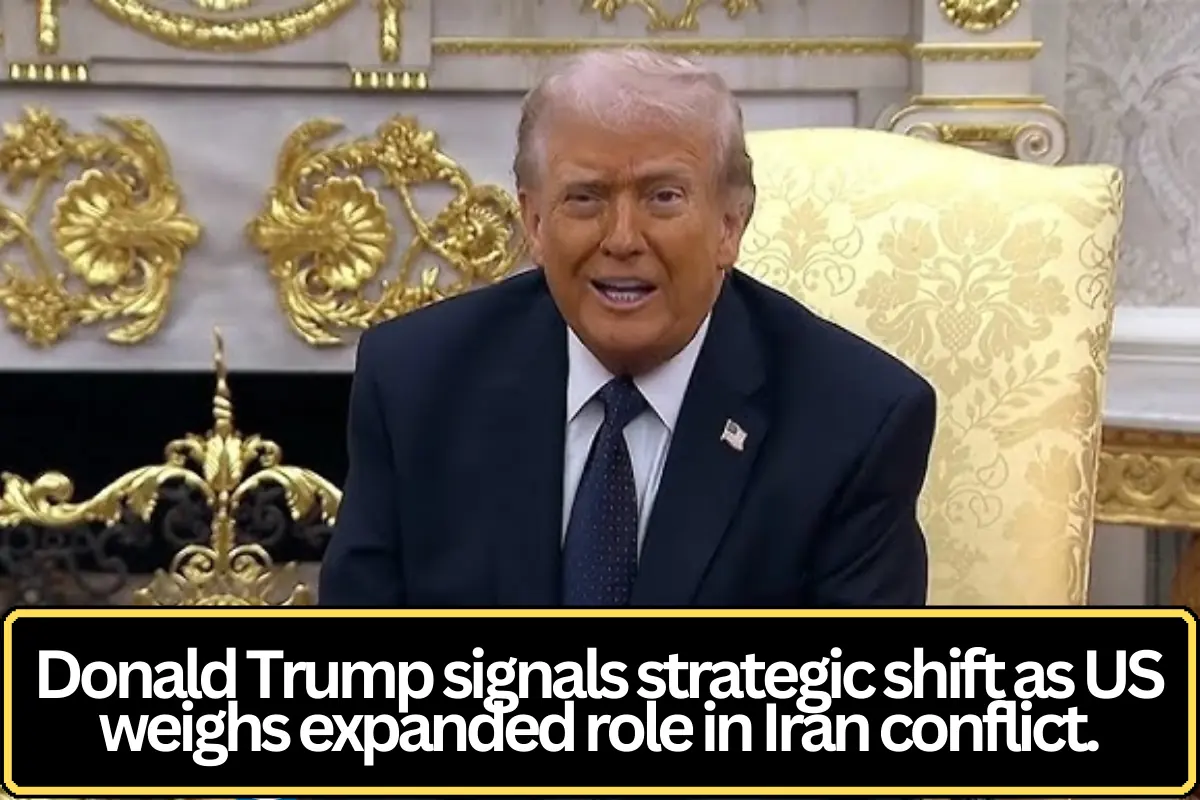
US Strategy Under Scrutiny Amid Escalating Iran Conflict
Former US President Donald Trump has indicated a potential shift in American strategy as the ongoing conflict involving Iran intensifies, raising concerns over NATO involvement, global oil supply routes, and broader geopolitical stability. The developments come on March 18, 2026, as hostilities between Iran, Israel, and allied forces continue to escalate across the Middle East, prompting renewed debate in Washington over the extent of US engagement.
Trump’s remarks have added a new dimension to the evolving crisis, suggesting a more assertive approach that could reshape US foreign policy in the region. The conflict, already marked by sustained military strikes and retaliatory actions, has drawn in global attention due to its potential impact on international security and economic stability.
Focus on the Strait of Hormuz and Energy Security
A central concern in the current crisis is the security of the Strait of Hormuz, a critical maritime chokepoint through which a significant portion of the world’s oil supply passes. Any disruption in this narrow waterway could have immediate and severe consequences for global energy markets.
Analysts warn that escalating tensions increase the risk of blockades or attacks on commercial shipping, which could lead to sharp spikes in oil prices and supply shortages. The United States, along with its allies, has historically played a key role in ensuring the security of this route, making it a focal point of strategic planning.
Trump’s comments have highlighted the importance of maintaining control and stability in the region, with an emphasis on protecting energy infrastructure and trade flows.
Debate Over NATO’s Role
The possibility of greater NATO involvement has emerged as a significant issue in discussions surrounding the conflict. While NATO has traditionally focused on collective defense in the Euro-Atlantic region, the scale and implications of the Iran conflict have prompted calls for a more active role.
Supporters of increased NATO engagement argue that a coordinated international response could help deter further escalation and provide a unified front against emerging threats. However, critics caution that expanding NATO’s role could complicate the situation and risk drawing additional countries into the conflict.
The debate reflects broader questions about the alliance’s evolving mission and its capacity to address challenges beyond its traditional scope.
Trump’s Position and Political Implications
Trump’s statements come at a time when US domestic politics are closely intertwined with foreign policy decisions. His stance appears to favor a strong and decisive response, emphasizing deterrence and strategic dominance.
Political analysts note that such positioning may resonate with certain segments of the electorate, particularly those who prioritize national security and assertive leadership. At the same time, it has sparked criticism from those who advocate for diplomatic solutions and caution against deeper military involvement.
The issue is likely to remain a key topic in political discourse, influencing debates over the future direction of US foreign policy.
Escalation Risks and Military Dynamics
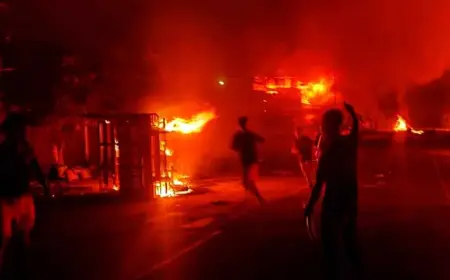
The conflict has already seen significant military escalation, with airstrikes, missile attacks, and cyber operations reported across multiple fronts. The involvement of US forces alongside Israeli operations has further heightened tensions, increasing the risk of a broader confrontation.
Experts warn that continued escalation could lead to unintended consequences, including the expansion of hostilities to neighboring countries. The presence of multiple actors with competing interests adds complexity to the situation, making de-escalation efforts more challenging.
Military strategists emphasize the need for careful coordination and clear objectives to avoid miscalculations that could worsen the crisis.
Global Economic Impact
The economic implications of the conflict are already being felt worldwide. Energy markets have shown volatility, with oil prices reacting to developments in the region. Industries dependent on stable energy supplies, including transportation and manufacturing, are facing increased uncertainty.
In addition to energy concerns, the conflict has affected global trade routes, with shipping companies reassessing risks and adjusting operations. These disruptions could contribute to inflationary pressures and slow economic growth in various regions.
Governments are exploring measures to mitigate the impact, including diversifying energy sources and strengthening strategic reserves.
Diplomatic Efforts and Challenges
Despite the escalation, diplomatic efforts to contain the conflict are ongoing. International organizations and key stakeholders have called for restraint and dialogue, urging all parties to seek a peaceful resolution.
However, progress has been limited, with deep-seated tensions and strategic interests hindering negotiations. The involvement of multiple actors, each with distinct objectives, complicates efforts to reach a consensus.
Observers note that effective diplomacy will require sustained engagement and a willingness to address underlying issues that have contributed to the conflict.
Strategic Outlook
The situation remains highly fluid, with developments on the ground likely to influence both military and political decisions. Trump’s remarks underscore the uncertainty surrounding US strategy and the potential for shifts in policy as the conflict evolves.
Analysts suggest that the coming weeks will be critical in determining the trajectory of the crisis, including the extent of international involvement and the prospects for de-escalation.
The interplay between military actions, political considerations, and economic factors will continue to shape the global response to the conflict.
Conclusion
The escalating Iran conflict, coupled with evolving US strategy and discussions over NATO involvement, highlights the complex and interconnected nature of modern geopolitical challenges. As tensions persist, the focus remains on balancing security priorities with efforts to prevent further escalation.
Current Status
The conflict continues with heightened military activity and ongoing political debate in the United States over its role, as global concerns over energy security and regional stability intensify.