UK, Australia Sign Pact to Channel Pension Funds into British Infrastructure
UK and Australia sign MoU to direct Australian pension funds into British infrastructure, housing, and energy projects, strengthening economic ties and investment flows.
 Tripti Srivastava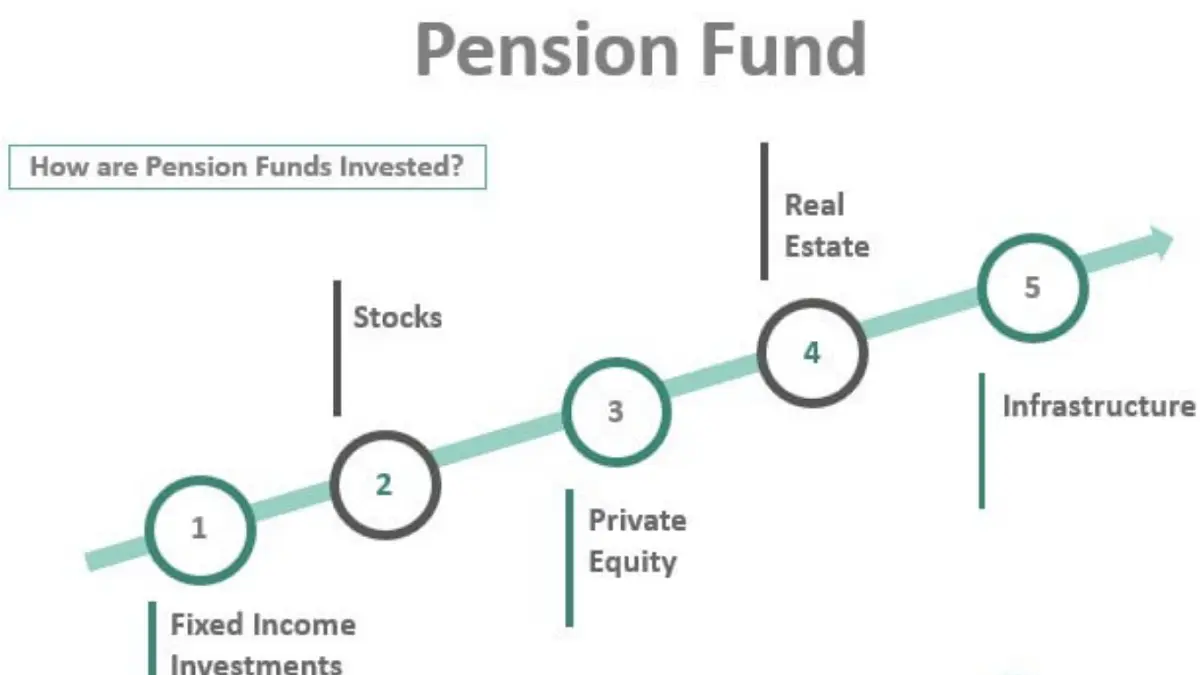
Britain and Australia have agreed to strengthen financial cooperation through a new memorandum of understanding (MoU) aimed at channelling investment from Australia’s large pension funds into UK infrastructure, housing, and energy projects, officials said on April 16.
The agreement, signed during the International Monetary Fund and World Bank spring meetings in Washington, seeks to unlock capital flows from Australia’s globally significant pension sector to support Britain’s economic growth amid ongoing global uncertainty.
The MoU establishes a formal framework to facilitate investment by Australian pension funds into key sectors of the UK economy, including infrastructure development, residential housing, and energy transition projects. The initiative is designed to accelerate project pipelines and improve access to long-term institutional capital.
Britain’s Treasury said the agreement reflects a strategic effort to attract foreign investment into priority sectors while reinforcing economic resilience. The framework is expected to streamline engagement between Australian institutional investors and UK authorities, creating a structured pathway for future capital deployment.
UK Finance Minister Rachel Reeves stated that the agreement strengthens economic security by deepening cooperation with a trusted international partner and providing clarity on investment direction.
Australia’s Pension Funds as Global Investors
Australia’s pension system, commonly referred to as superannuation funds, represents one of the largest pools of institutional capital globally. These funds have increasingly expanded their international investment footprint, with the UK already serving as a key destination.
Major Australian pension funds, including AustralianSuper, Aware Super, and HESTA, have previously committed significant capital to UK infrastructure, property, and energy assets. The new agreement is expected to further scale these investments by formalizing collaboration mechanisms and identifying additional opportunities.
HESTA Chief Executive Debby Blakey noted that Australian funds already have a lot of UK assets and that structured initiatives like this MoU could help them invest more, especially in digital infrastructure and energy transition.
The agreement emphasises long-term investment horizons, aligning with the nature of pension fund capital, which typically seeks stable, yield-generating assets. Infrastructure and housing projects in the UK are viewed as suitable investment avenues due to their predictable cash flows and strategic importance.
The UK government has been actively pursuing foreign investment to support its broader economic agenda, including efforts to modernise infrastructure, address housing shortages, and advance sustainability goals. By tapping into Australia’s pension capital, policymakers aim to bridge funding gaps while maintaining fiscal discipline.
The MoU also complements ongoing reforms within the UK’s pension and investment landscape, including initiatives to consolidate pension funds into larger “megafunds” capable of deploying capital at scale.
Timing Amid Global Economic Uncertainty
The agreement comes at a time of heightened global economic uncertainty, with policymakers seeking to secure stable funding sources for domestic growth. The collaboration reflects a broader trend of cross-border investment partnerships between advanced economies.
Officials highlighted that the partnership aligns with both countries’ economic priorities, including enhancing financial cooperation and supporting sustainable development. The UK is positioning itself as a key destination for global capital, while Australia’s pension funds continue to diversify internationally.
The signing of the MoU on the sidelines of the IMF and World Bank meetings underscores the role of multilateral forums in facilitating bilateral economic agreements and investment partnerships.
Framework for Future Collaboration
The newly established framework is expected to provide a foundation for ongoing dialogue between investors and policymakers, enabling the identification and execution of investment opportunities across sectors. It also formalises engagement channels, improving coordination and reducing barriers to entry for institutional investors.
While specific investment commitments were not disclosed, the agreement signals intent to deepen financial ties and expand capital flows over the medium to long term. Both governments indicated that further collaboration could follow as project pipelines develop and investor participation increases.
The move reflects a growing emphasis on leveraging global institutional capital to drive domestic economic growth, particularly in capital-intensive sectors such as infrastructure and energy.