UK Leaders Use Easter Messages to Address Iran Conflict and Call for Peace
UK Prime Minister Keir Starmer and the Archbishop of Canterbury use Easter messages to address the Iran conflict, urging peace and restraint amid rising global tensions.
 SANJANA DUTTA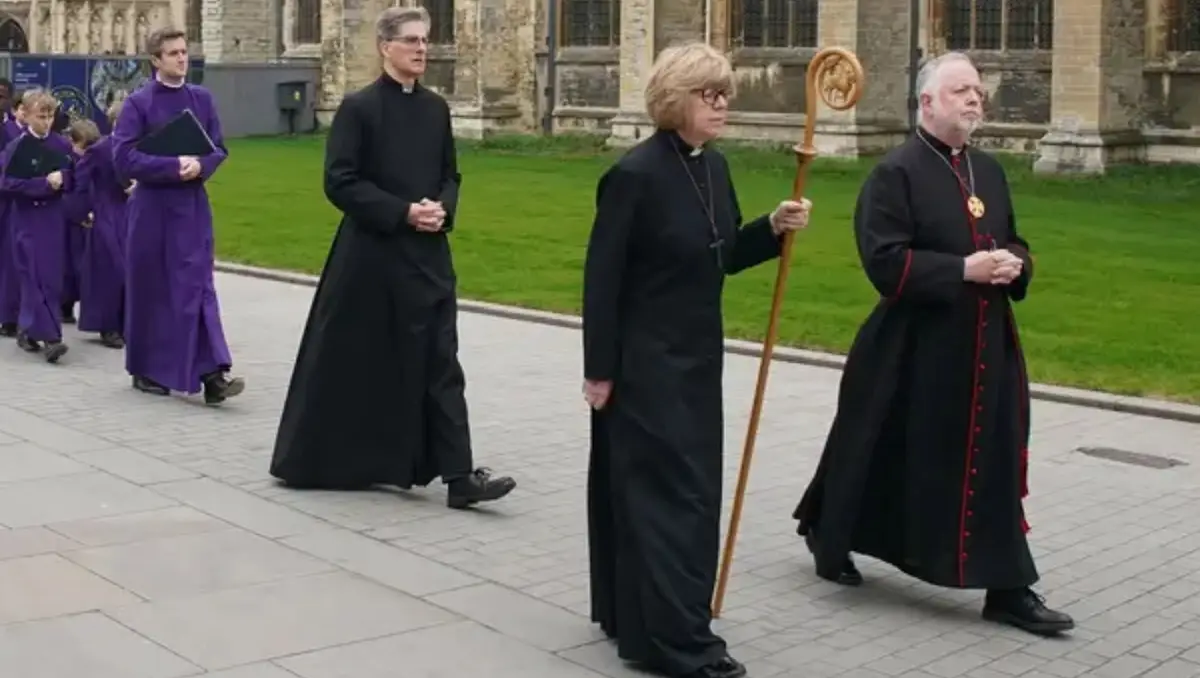
UK Leaders Use Easter Messages to Address Iran Conflict and Call for Peace
LONDON, April 5, 2026 — United Kingdom Prime Minister Keir Starmer and the Archbishop of Canterbury used their Easter messages to address the escalating conflict involving Iran, calling for restraint, peace, and international cooperation amid growing global concerns over the crisis.
The statements come at a time of heightened tensions in the Middle East, where ongoing hostilities involving Iran and its adversaries have raised fears of a prolonged and potentially wider conflict. Both political and religious leaders in the UK emphasized the moral and humanitarian urgency of de-escalation in their public messages marking the Easter period.
Political Leadership Urges Restraint
Prime Minister Keir Starmer, in his Easter address, underscored the importance of diplomacy and measured responses as the international community grapples with the evolving situation. He highlighted the risks associated with further escalation and called on all parties involved to prioritize dialogue over confrontation.
Starmer emphasized that the United Kingdom remains committed to working with global partners to reduce tensions and prevent further destabilization in the region. He also pointed to the broader implications of the conflict, including its potential impact on global security, economic stability, and humanitarian conditions.
The prime minister’s remarks reflect ongoing concerns within the UK government about the trajectory of the crisis and the need for coordinated international efforts to manage its consequences.
Religious Appeal for Peace and Compassion
In a parallel message, the Archbishop of Canterbury framed the conflict within a moral and spiritual context, urging compassion, understanding, and a commitment to peace. Drawing on the themes of Easter, the archbishop called for reconciliation and an end to violence, emphasizing the human cost of war.
The archbishop’s message highlighted the suffering of civilians caught in conflict zones, noting that the impact of war extends far beyond political and military considerations. He appealed to leaders and individuals alike to reflect on the values of forgiveness, unity, and hope during a time of global uncertainty.
Religious leaders across different faith communities have similarly called for peace, reinforcing the role of moral voices in shaping public discourse around international crises.
Rising Global Concern Over Iran Conflict
The statements from UK leaders come as the Iran-related conflict continues to intensify, with ongoing military engagements and diplomatic standoffs contributing to a volatile situation. Analysts have warned that the lack of a clear resolution pathway increases the risk of further escalation.
The Middle East remains a critical region for global stability, with the current conflict intersecting with existing geopolitical tensions. The involvement of multiple actors has added complexity, making efforts to contain the situation more challenging.
International organizations and governments have been closely monitoring developments, with calls for ceasefire agreements and renewed diplomatic initiatives gaining urgency.
Domestic and International Implications
Within the UK, the conflict has prompted discussions about foreign policy priorities and the country’s role in addressing global crises. Lawmakers and analysts have debated the appropriate balance between diplomatic engagement and strategic positioning.
The economic implications of the conflict are also a concern, particularly in relation to energy markets and trade. Prolonged instability in the Middle East could lead to fluctuations in oil prices and supply disruptions, affecting economies worldwide.
Security considerations have further underscored the importance of international cooperation, as governments assess potential risks and prepare for various scenarios.
Calls for Coordinated Global Action
Both Starmer and the Archbishop of Canterbury stressed the need for collective action by the international community to address the crisis. They highlighted the importance of multilateral efforts in promoting peace and preventing further escalation.
Diplomatic channels remain active, with several countries attempting to facilitate dialogue between the parties involved. However, progress has been limited, reflecting the deep divisions and competing interests at play.
Experts have noted that sustained engagement and confidence-building measures will be essential for achieving any meaningful resolution, though such efforts may take time to yield results.
Humanitarian Concerns Take Center Stage
The humanitarian impact of the conflict has become a central concern, with reports of civilian casualties, displacement, and damage to critical infrastructure. Aid organizations have called for increased support and access to affected areas.
UK leaders have reiterated their commitment to humanitarian assistance, emphasizing the need to protect vulnerable populations and ensure the delivery of essential services. The situation has highlighted the interconnected nature of global crises, where political decisions have direct human consequences.
Public awareness of the humanitarian dimension has grown, influencing both policy discussions and community responses.
Symbolism of Easter Messages
The use of Easter messages to address the conflict underscores the significance of the occasion as a moment for reflection and moral guidance. For many, the themes of renewal and hope associated with Easter provide a framework for considering pathways to peace.
Leaders often use such occasions to connect with broader audiences and convey messages that extend beyond immediate political concerns. In this case, the focus on the Iran conflict highlights its importance on the global agenda.
The convergence of political and religious voices in calling for peace reflects a shared recognition of the urgency of the situation.
Outlook Remains Uncertain
Despite calls for restraint and dialogue, the outlook for the conflict remains uncertain. Ongoing hostilities and entrenched positions continue to pose challenges for diplomatic efforts.
Observers suggest that while international pressure may eventually create opportunities for de-escalation, significant obstacles remain. The complexity of the conflict requires careful navigation and sustained commitment from all parties involved.
As the situation evolves, the messages from UK leaders serve as a reminder of the broader stakes and the need for collective action to prevent further escalation.
Conclusion
The Easter appeals from UK political and religious leaders highlight growing concern over the Iran conflict and reinforce calls for peace, diplomacy, and humanitarian consideration at a critical moment.
Current Status
Tensions remain high, with international efforts continuing to seek de-escalation as the conflict shows no immediate signs of resolution.