UK Faces Imminent Medicine Shortages as Iran Conflict Disrupts Global Supply Chains
The UK could face medicine shortages within weeks as the Iran conflict disrupts global pharmaceutical supply chains, raising concerns over drug availability.
 Akanksha jain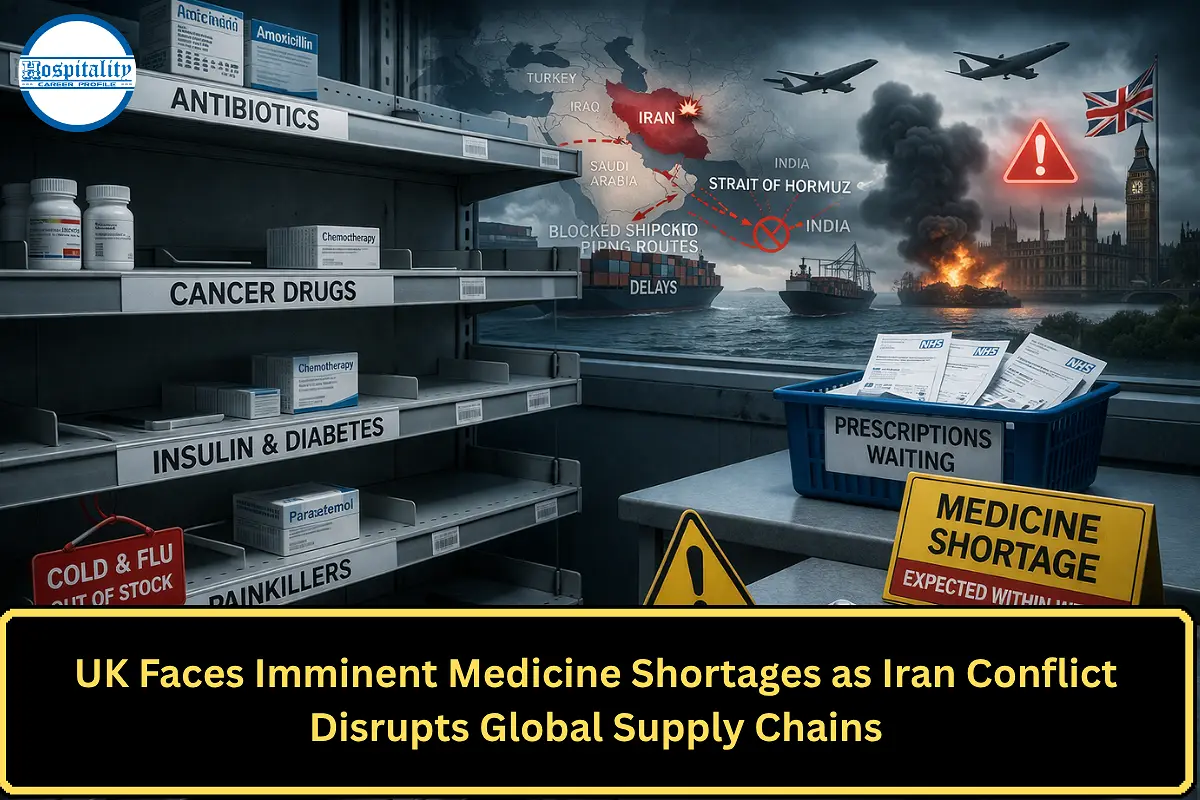
UK Faces Imminent Medicine Shortages as Iran Conflict Disrupts Global Supply Chains
The United Kingdom could face significant shortages of essential medicines within weeks due to disruptions in global pharmaceutical supply chains linked to the ongoing conflict involving Iran, industry experts warned in late March 2026. The situation raises concerns about the availability of critical drugs across the country, as geopolitical tensions begin to impact manufacturing, transportation, and distribution networks.
Healthcare analysts and supply chain specialists have indicated that the UK’s reliance on international suppliers for active pharmaceutical ingredients (APIs) and finished medicines makes it particularly vulnerable to global disruptions. The conflict has affected key shipping routes and increased logistical uncertainties, leading to delays in the delivery of pharmaceutical products.
Supply Chain Disruptions Intensify
The pharmaceutical supply chain is highly globalized, with raw materials often sourced from multiple countries before being processed and distributed worldwide. The ongoing conflict has disrupted trade flows and created bottlenecks in key transit corridors, particularly those involving the Middle East, a region critical to global shipping and energy supplies.
Rising transportation costs and longer delivery times have compounded the issue, making it more difficult for suppliers to maintain consistent stock levels. Shipping delays, rerouted vessels, and increased insurance costs are contributing to the growing strain on the supply chain.
Experts warn that these disruptions could lead to shortages of a wide range of medicines, including antibiotics, painkillers, and treatments for chronic conditions, if the situation persists.
Dependence on Global Manufacturing
The UK imports a substantial portion of its medicines and pharmaceutical ingredients, with a significant share coming from countries such as India and China. Any disruption in the global supply chain can therefore have immediate consequences for domestic availability.
Manufacturers are facing challenges in sourcing raw materials and maintaining production schedules, particularly as geopolitical tensions affect trade routes and supply reliability. The complexity of pharmaceutical manufacturing, which often involves multiple stages and locations, makes the system particularly sensitive to external shocks.
Industry representatives have highlighted the need for greater diversification of supply sources and increased domestic production capacity to mitigate future risks.
Impact on Healthcare Services
Potential medicine shortages could place additional strain on the UK’s healthcare system, particularly the National Health Service (NHS), which is already managing high demand for services. Hospitals and pharmacies may face difficulties in maintaining adequate stock levels, potentially affecting patient care.
Healthcare providers may need to implement contingency measures, such as rationing certain medicines or identifying alternative treatments, to manage limited supplies. These measures can be challenging, particularly for patients who rely on specific medications for chronic conditions.
Pharmacists have reported early signs of supply pressure, with some products becoming harder to source or experiencing delays in delivery.
Government and Industry Response
UK authorities are closely monitoring the situation and working with pharmaceutical companies and distributors to assess the extent of the risk. Efforts are being made to identify critical medicines and ensure that available supplies are allocated effectively.
The government has previously introduced measures to address medicine shortages, including stockpiling and regulatory flexibility to allow for the rapid approval of alternative suppliers. These strategies may be expanded if the current disruptions continue.
Industry groups have called for coordinated action to maintain supply chain resilience, emphasizing the importance of international collaboration in addressing global challenges.
Global Implications of the Conflict
The impact of the Iran-related conflict extends beyond the UK, with potential implications for healthcare systems worldwide. Countries that rely heavily on imported medicines are particularly at risk, as disruptions in one region can quickly spread through interconnected supply networks.
Energy prices, which influence manufacturing and transportation costs, have also been affected by the conflict, further complicating the situation. Higher costs may lead to increased prices for medicines, adding financial pressure on healthcare systems and patients.
Experts note that the situation underscores the vulnerability of global supply chains to geopolitical events, highlighting the need for more resilient and diversified systems.
Calls for Long-Term Solutions
The emerging crisis has renewed calls for long-term strategies to strengthen pharmaceutical supply chains. These include increasing domestic manufacturing capacity, diversifying sourcing, and investing in advanced technologies to improve supply chain visibility and efficiency.
Policymakers and industry leaders are also exploring the potential for regional cooperation to ensure stable access to essential medicines. Building strategic reserves and enhancing regulatory frameworks are among the measures being considered.
Experts emphasize that addressing these challenges will require sustained investment and collaboration across the public and private sectors.
Uncertainty and Outlook
The duration and severity of the supply disruptions will depend on the trajectory of the conflict and the effectiveness of mitigation efforts. While some companies have contingency plans in place, prolonged instability could lead to more severe shortages.
Healthcare providers and patients are being advised to remain vigilant and to work closely with pharmacists and medical professionals to manage potential disruptions. Early planning and communication will be critical in minimizing the impact on patient care.
The situation remains fluid, with ongoing developments likely to shape the availability of medicines in the coming weeks.
Conclusion
The United Kingdom is facing the prospect of medicine shortages as geopolitical tensions disrupt global supply chains, with authorities and industry stakeholders working to manage the situation and prevent significant impacts on patient care.