UK Rejects US Iran Port Blockade, Focuses on Hormuz Reopening
UK Prime Minister Keir Starmer confirms Britain will not join US blockade of Iranian ports, focusing instead on reopening the Strait of Hormuz to stabilise energy markets.
 mansi labhde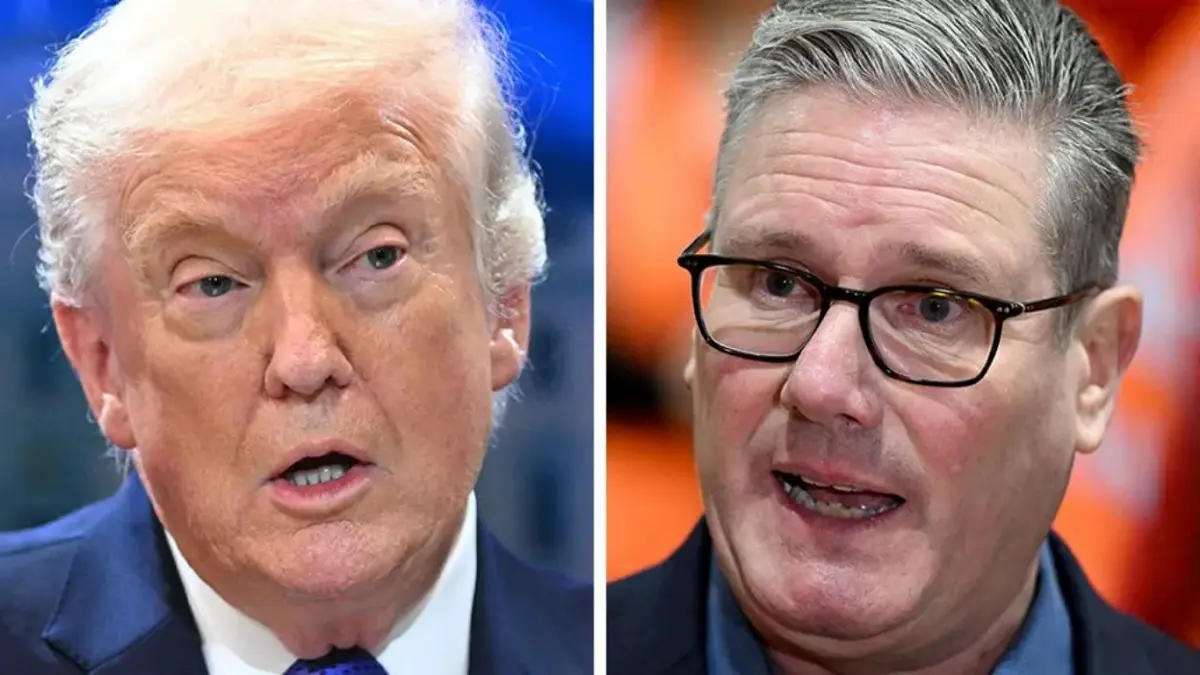
UK Rules Out Direct Military Role
Speaking to media, Starmer made clear that British forces would not be deployed to enforce the blockade, despite pressure from allies. He stated that the UK would not send naval ships or troops to restrict access to Iranian ports, emphasising that such involvement would not align with national interests.
“We are not supporting the blockade,” Starmer said, adding that the government’s efforts are focused on ensuring the Strait remains open rather than closed. He reiterated that any military engagement would require a clear legal basis and a defined strategic plan, which he said were currently absent.
While ruling out direct participation, the UK will continue limited regional operations, including mine-clearing capabilities and anti-drone support, aimed at safeguarding maritime activity rather than enforcing restrictions.
US Blockade Escalates Regional Tensions
The US decision to impose a blockade follows failed negotiations between American and Iranian officials. Trump announced that all ships attempting to enter or leave the Strait of Hormuz would be subject to enforcement measures.
According to US Central Command, the blockade will apply specifically to vessels linked to Iranian ports in the Arabian Gulf and the Gulf of Oman, while allowing transit to non-Iranian ports to continue. Authorities said further operational details would be communicated to commercial shipping operators ahead of implementation.
Trump indicated that other countries, including members of NATO:, could support the effort, though no formal coalition has been confirmed. He also suggested that minesweepers from allied nations may be deployed to secure maritime routes.
Global Energy Markets Under Pressure
The Strait of Hormuz, a critical global energy corridor, carries approximately one-fifth of the world’s oil and liquefied natural gas shipments. Disruptions in the waterway have already had significant economic consequences.
Following the blockade announcement, global benchmark Brent crude prices rose above $100 per barrel, compared to approximately $71 before the escalation of hostilities in late February. The surge reflects market concerns over supply disruptions and prolonged instability in the region.
The UK government has acknowledged the domestic impact of rising energy prices, with fuel duty policy currently under review. Officials indicated that future decisions would depend on developments in the coming weeks.
Diplomatic Efforts to Keep Strait Open
Starmer has emphasised diplomatic coordination with international partners as the primary response to the crisis. In discussions with French President Emmanuel Macron,he highlighted the need for a broad coalition to ensure freedom of navigation through the Strait.
The UK and France are set to co-host a summit aimed at developing a coordinated multinational strategy to protect shipping routes once the conflict subsides. British officials have also opposed reports that Iran is imposing transit fees of up to $2 million on vessels passing through the Strait, stressing that international waters must remain accessible without such charges.
A government spokesperson said efforts are underway to work with allies to maintain open maritime routes and prevent further disruption to global trade and energy supplies.
Balancing Neutrality and Strategic Interests
Although the UK was not directly involved in the US-Iran negotiations, Starmer warned against further escalation in the region. His position reflects a broader strategy of avoiding military entanglement while maintaining operational readiness to protect commercial shipping.
Meanwhile, it is expected to raise the issue during upcoming meetings in Washington linked to the Strait of Hormuz, where discussions are likely to focus on economic stability and the reopening of key trade routes.
The UK’s stance signals a cautious approach to the crisis, balancing alliance commitments with economic priorities and legal considerations, as tensions in the Middle East continue to affect global markets and geopolitical stability.