Why Union Membership Remains a Powerful Force in Modern Democratic Politics
Union membership continues to influence democratic politics by shaping labor rights, economic policy debates, and political participation among working populations across many countries.
 SANJANA DUTTA
Introduction
Labor unions have long played a significant role in shaping political systems, influencing economic policy, and advocating for the rights of working people. In modern democratic societies, union membership remains an important force that affects how governments design labor laws, social welfare programs, and economic reforms. While the influence of unions has evolved over time due to globalization, technological change, and shifting labor markets, their political relevance continues to be widely debated.
Union organizations often act as collective voices for workers who seek better wages, safer working conditions, and stronger employment protections. Through political engagement, unions frequently participate in policy discussions, election campaigns, and public advocacy efforts aimed at advancing the interests of their members. This connection between organized labor and political decision-making highlights the enduring relationship between economic rights and democratic participation.
Despite fluctuations in membership levels across different countries, unions remain influential institutions that shape political narratives and social policies. Their involvement in democratic processes demonstrates how organized groups can impact governance while representing the interests of specific segments of society.
The Historical Foundations of Union Political Influence
The relationship between labor unions and politics has deep historical roots. During the industrial revolution, workers often faced long hours, unsafe workplaces, and limited legal protections. In response, workers began organizing collectively to demand fair treatment and better economic conditions. These early labor movements eventually developed into formal trade unions that advocated for labor rights through both industrial action and political engagement.
Throughout the twentieth century, unions became key participants in shaping social and economic policy. Many labor organizations supported legislation that established minimum wage laws, workplace safety regulations, collective bargaining rights, and social security systems. These policy achievements demonstrated how organized labor could influence political decision-making at national and local levels.
In several democratic countries, political parties formed close relationships with labor unions. These alliances allowed unions to participate directly in policy debates while providing political parties with support from organized groups of workers. Such partnerships helped institutionalize the role of unions in political life and reinforced the idea that labor issues were central to public policy discussions.
Union Membership and Worker Representation
One of the primary purposes of labor unions is to represent the interests of workers collectively. By organizing employees across industries or workplaces, unions create a structured platform through which workers can negotiate with employers and communicate their concerns to policymakers. This collective representation can strengthen the bargaining power of workers who might otherwise have limited influence individually.
Union membership often provides workers with access to legal assistance, workplace protections, and structured negotiation processes. These services help employees address disputes, advocate for fair treatment, and ensure that labor agreements are respected. Through these activities, unions contribute to maintaining balance within employer-employee relationships.
In the political arena, union members frequently participate in campaigns that focus on labor-related issues such as wage policies, healthcare benefits, retirement security, and workplace rights. By mobilizing their membership networks, unions can amplify the voices of workers and ensure that their concerns are considered in policy debates.
The Political Role of Organized Labor
Unions engage in political processes in several ways. Many labor organizations support candidates or political parties that align with their policy goals, particularly those advocating for worker protections and social welfare programs. Union leaders may also testify in legislative hearings, participate in consultations with policymakers, and collaborate with advocacy groups working on labor-related reforms.
Political engagement by unions often focuses on legislation affecting employment standards, collective bargaining rights, occupational safety, and economic equality. By participating in these discussions, unions seek to influence laws that shape the working lives of millions of people.
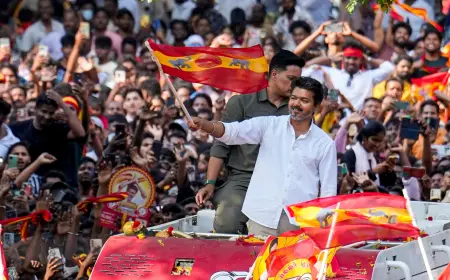
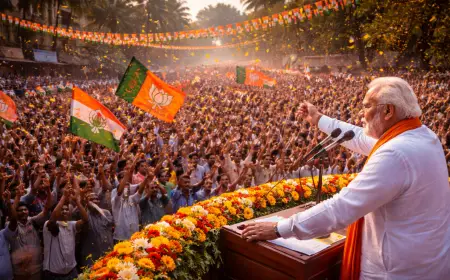
Union involvement in politics can also take the form of grassroots mobilization. Members may participate in public demonstrations, community campaigns, and voter education initiatives designed to raise awareness about labor issues. These activities highlight how organized labor can contribute to democratic participation beyond traditional workplace negotiations.
Economic Policy and Labor Advocacy
Economic policy debates frequently include perspectives from labor organizations. Issues such as minimum wage increases, tax policies, healthcare funding, and public investment programs often involve discussions about their potential impact on workers and employment opportunities. Unions play a role in these debates by presenting viewpoints based on the experiences of their members.
Labor advocates often emphasize the importance of policies that promote economic fairness and social mobility. For example, unions may support initiatives that strengthen worker training programs, expand access to education, or improve public infrastructure. These policies can contribute to long-term economic development while also addressing concerns related to job security and income inequality.
At the same time, critics sometimes argue that union involvement in economic policymaking can complicate negotiations between governments and businesses. Debates surrounding labor regulations often involve balancing the interests of workers, employers, and broader economic goals. These discussions illustrate the complexity of policymaking in modern economies.
Challenges Facing Modern Unions
Despite their historical influence, unions today face several challenges that affect membership levels and political impact. One major factor is the transformation of labor markets. The growth of service industries, gig economy platforms, and flexible employment arrangements has altered traditional workplace structures where unions once thrived.
Globalization has also influenced labor dynamics by increasing competition between companies operating across different regions. Businesses may relocate operations to areas with lower labor costs, creating pressure on unions attempting to negotiate higher wages or stronger protections. These economic shifts have contributed to changes in how unions organize workers and advocate for policy reforms.
Technological change represents another challenge. Automation and digital technologies are reshaping many industries, reducing demand for certain types of labor while creating new types of jobs that may not fit traditional union frameworks. As workplaces evolve, unions must adapt their strategies to remain relevant in representing modern workers.
Union Membership and Democratic Participation
Beyond workplace representation, union membership can also encourage civic engagement among workers. Studies and political observers often note that union members are more likely to participate in voting, community activities, and political discussions compared with individuals who are not part of organized labor groups.
This increased engagement may stem from the collective nature of union activities. Members regularly participate in meetings, discussions, and negotiations where they learn about policy issues affecting their livelihoods. These experiences can strengthen awareness of political processes and encourage individuals to take part in democratic decision-making.
Unions may also provide educational programs that inform members about labor rights, economic policies, and government regulations. Such initiatives can empower workers with knowledge that enables them to advocate for their interests effectively.
The Global Perspective on Labor Movements
The influence of unions varies significantly across different countries and political systems. In some nations, labor unions maintain strong membership bases and close connections with political parties or government institutions. In others, union participation has declined due to legal restrictions, economic changes, or evolving labor market structures.
International labor organizations and advocacy networks often collaborate to promote worker protections and encourage dialogue between governments, employers, and employees. These global partnerships aim to improve labor standards while supporting sustainable economic development.
The international dimension of labor movements highlights the interconnected nature of modern economies. Policies affecting workers in one country can influence labor conditions elsewhere, particularly in industries linked through global supply chains.
The Future of Union Political Influence
Looking ahead, the future role of unions in politics will likely depend on their ability to adapt to changing economic and social conditions. Expanding membership among younger workers, gig economy participants, and professionals in emerging industries could help labor organizations remain influential in the decades to come.
Technological innovation may also create opportunities for unions to engage members more effectively through digital communication platforms. Online organizing tools, virtual meetings, and digital campaigns allow labor groups to reach workers who may not participate in traditional workplace structures.
Additionally, broader societal discussions about income inequality, workplace rights, and economic fairness may increase interest in collective representation. As these debates continue, unions could play an important role in shaping policy proposals that address the challenges faced by modern workforces.
Conclusion
Union membership remains a significant component of democratic political systems. By representing the interests of workers and participating in policy debates, labor organizations contribute to discussions about economic fairness, social protections, and workplace standards. Although unions face challenges related to changing labor markets and evolving economic conditions, their role in advocating for workers continues to shape political conversations.
The relationship between organized labor and politics reflects broader questions about how societies balance economic growth with social justice. As governments and institutions address new challenges in the global economy, the perspectives of workers and their representative organizations will likely remain an important part of the political landscape.