Study Finds Most U.S. Adults with Uncontrolled Blood Pressure Have Insurance and Regular Healthcare Access
A new study from the University of North Carolina suggests most U.S. adults with uncontrolled high blood pressure have health insurance and a regular place for medical care.
 Akanksha jain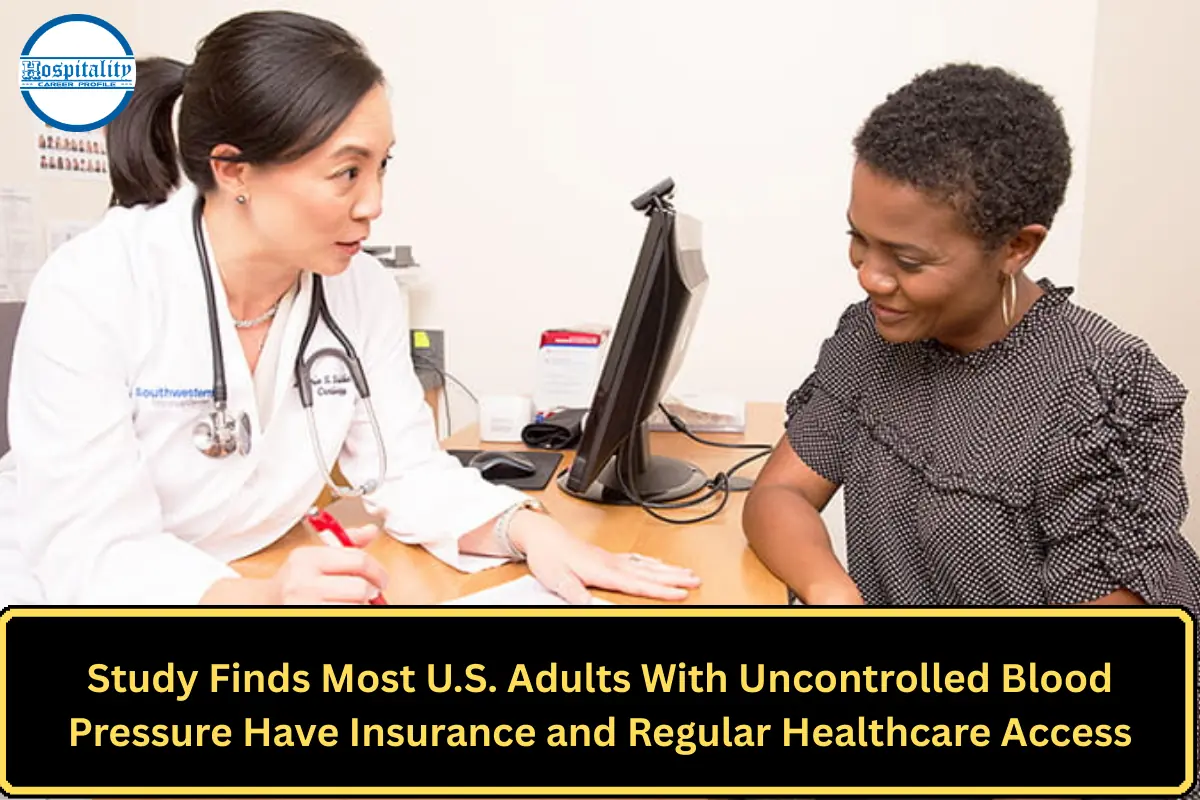
Most adults in the United States with uncontrolled high blood pressure already have health insurance and access to routine healthcare, according to new research.
The findings suggest that improving hypertension control may require changes within the healthcare system rather than simply expanding access to care.
A Gap Between Access and Treatment
The study examined data on adults with what is commonly known as high blood pressure and found that many people whose condition remains uncontrolled are already connected to healthcare services.
Researchers reported that a large proportion of individuals with uncontrolled blood pressure have both health insurance coverage and a regular place where they receive medical care. This indicates that opportunities to diagnose or manage the condition may be missed during routine healthcare visits.
Hypertension affects nearly half of adults in the United States and is one of the leading risk factors for cardiovascular diseases such as heart attack and stroke. :/p>
Many Patients Not Receiving Medication.
Recent national survey data show that a significant share of people with uncontrolled blood pressure are not receiving medication to manage the condition.
In fact, about 61% of adults with uncontrolled hypertension were not taking blood‑pressure‑lowering medication despite having elevated readings. :contentReference[oaicite:3]{index=3}
Researchers say that many of these individuals are relatively close to recommended blood pressure targets, meaning that starting medication or making lifestyle changes could help them achieve control.
Implications for Healthcare Systems
The study highlights what experts call a “treatment gap” in hypertension care. Even when patients have access to doctors and clinics, blood pressure may remain uncontrolled due to factors such as delayed treatment, insufficient medication adjustments, or lack of consistent monitoring.
Public health specialists say addressing this gap could significantly reduce rates of heart disease, stroke, and kidney complications associated with long‑term hypertension.
The findings suggest that improving hypertension management will require stronger screening practices, better patient follow-up, and more proactive treatment strategies within primary care settings.