US–Iran Tensions Escalate as Military Threats Intensify in Middle East
Rising tensions between the United States and Iran escalate as missile strikes, military threats and regional instability increase across the Middle East.
 Hcp News Desk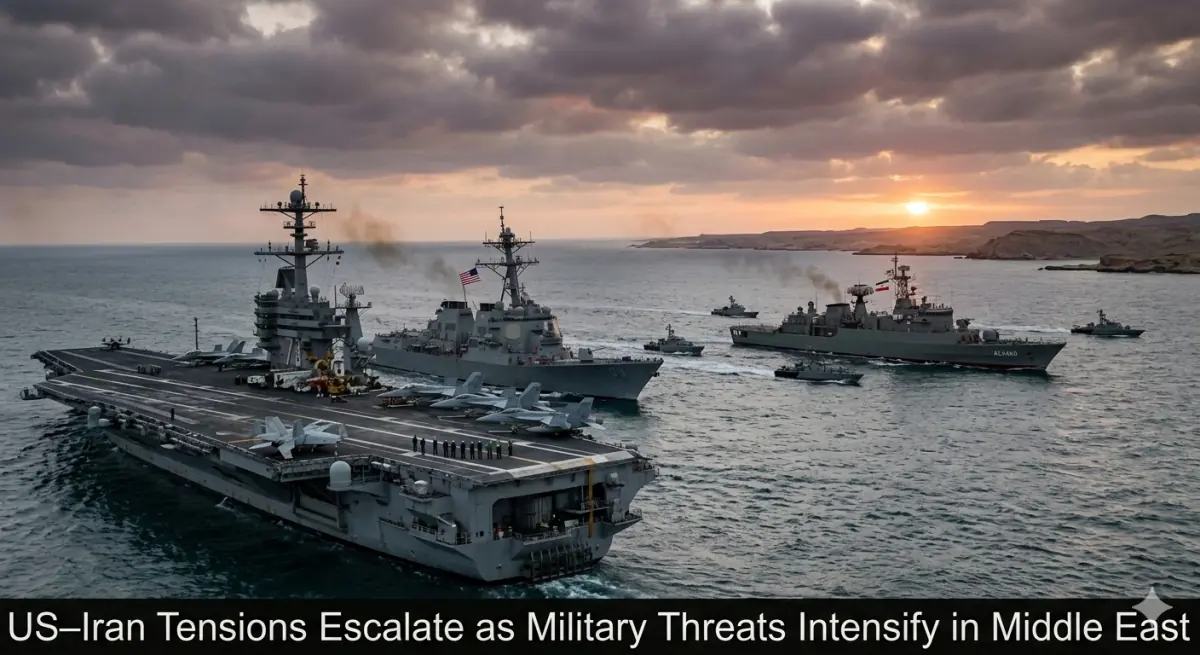
US–Iran Tensions Intensify as Military Threats and Regional Instability Grow
Tensions between the United States and Iran have escalated sharply as the broader Middle East conflict continues to widen. Iranian security official Ali Larijani warned that Iran is prepared to confront any potential American ground invasion, claiming that Iranian forces have already inflicted significant losses on U.S. troops operating in the region. The remarks come amid an increasingly volatile security environment across the Middle East, where missile strikes, drone attacks and military mobilisations have intensified. Both Washington and Tehran have exchanged warnings while military activity involving U.S., Israeli and Iranian forces expands across several strategic locations.
Iran Warns Against Potential U.S. Ground Intervention
Ali Larijani, a senior Iranian political and security figure, stated that Iran would strongly resist any attempt by the United States to launch a direct ground operation. According to Larijani, Iranian military capabilities and regional alliances would make such a move extremely costly for American forces. Larijani also accused Washington of being drawn into what he described as an unjust conflict influenced by Israel. His remarks reflect Tehran’s broader narrative that the current escalation is part of a larger geopolitical struggle involving regional power balances and external intervention. The statement underscores how diplomatic rhetoric is becoming increasingly confrontational as military actions continue across multiple fronts.
Missile and Drone Strikes Expand Across the Region
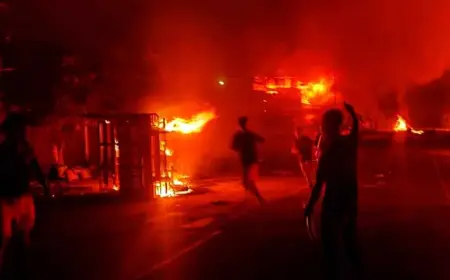
The confrontation has already led to a series of missile and drone strikes targeting military installations and strategic locations across the Middle East. Several military bases hosting U.S. personnel, along with facilities in Gulf states, have reportedly come under attack as the conflict spreads. These incidents highlight the growing role of advanced weapon systems in modern regional warfare. Drones and precision missiles allow forces to strike targets over long distances without direct ground engagement.
Regional Security Landscape Under Pressure
The escalation has raised serious concerns about the stability of the broader Middle East security environment. Gulf states hosting important U.S. military installations and energy infrastructure now face heightened exposure to potential attacks. Strategic shipping lanes and oil export routes are also under scrutiny. The Middle East remains one of the world’s most important energy supply regions, and disruptions could affect global markets.
Geopolitical Stakes Continue to Rise
The intensifying rhetoric between Washington and Tehran reflects deeper geopolitical tensions that extend beyond the immediate conflict. Iran views its military posture as a defensive response to external pressure, while the United States and its allies maintain that their operations aim to counter destabilising activities. This rivalry has shaped the region for decades, and the current escalation suggests the confrontation may be entering a more dangerous phase.
International Community Calls for De-escalation
As tensions rise, international observers and diplomatic actors have urged restraint to prevent a wider regional war. Governments across the world are calling for diplomatic engagement to reduce the risk of further escalation. With multiple actors involved and strategic interests at stake, the Middle East now faces a fragile and uncertain security outlook.