Rising U.S.–Iran Tensions Trigger Regional Security Concerns and Oil Market Volatility
Escalating tensions between the United States and Iran are raising security concerns across the Middle East and affecting global oil markets as regional governments monitor the evolving situation.
 SANJANA DUTTA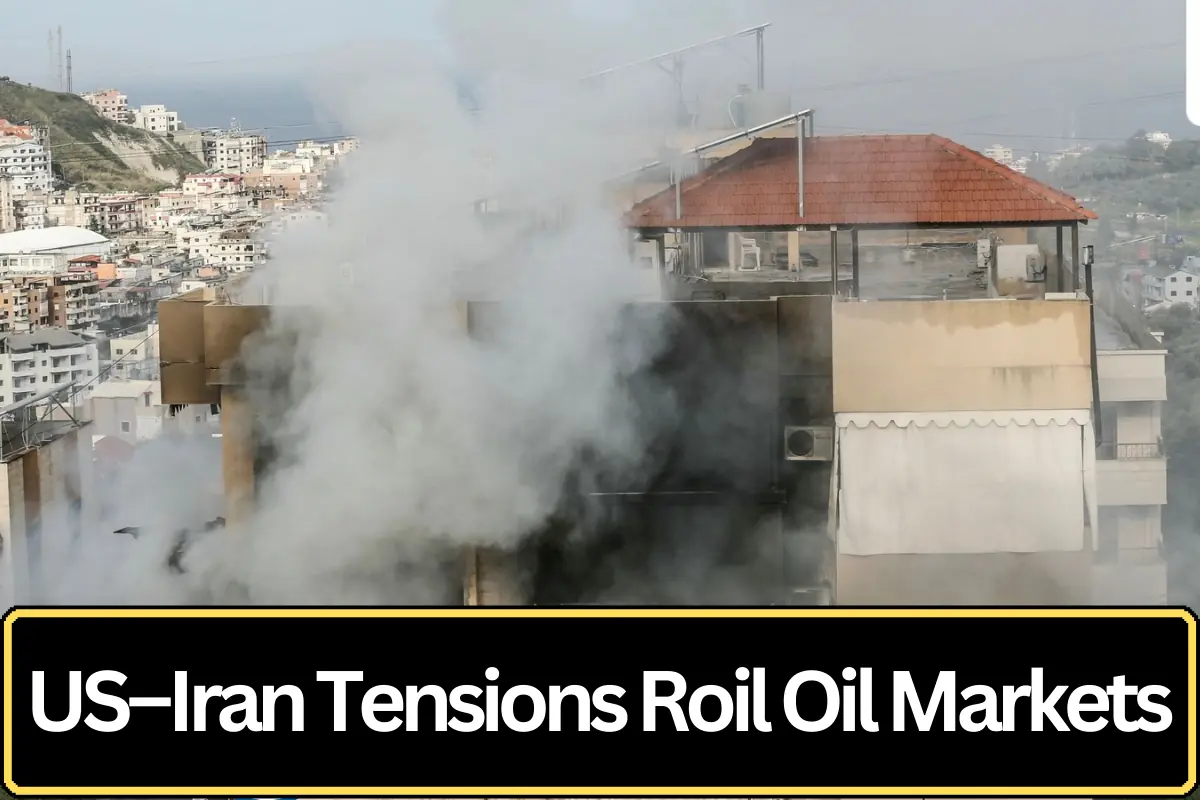
Rising Tensions Between the United States and Iran Raise Global Security Concerns
Growing tensions between the United States and Iran are raising concerns across the Middle East and international energy markets as governments and analysts monitor developments in the region. The situation involves escalating rhetoric, military readiness, and diplomatic reactions from multiple countries, with attention focused on strategic locations such as the Strait of Hormuz and key energy infrastructure. Officials and observers warn that continued escalation could affect regional stability and global oil supply routes.
The developments come amid heightened geopolitical friction involving Washington and Tehran, with both sides exchanging statements and demonstrating military preparedness. Governments in the Gulf region, international energy traders, and global security agencies are closely watching the evolving situation, particularly because the Middle East remains one of the world’s most critical sources of oil production and export.
Strategic Importance of the Gulf Region
The Gulf region plays a central role in the global energy system. Several of the world’s largest oil producers operate in the area, and major shipping routes pass through narrow maritime corridors that connect energy supplies to international markets. Because of this strategic importance, political tensions in the region often attract global attention and influence economic conditions worldwide.
One of the most sensitive locations in the region is the Strait of Hormuz, a narrow waterway through which a significant share of the world’s oil shipments passes each day. Tankers traveling from Gulf producers to international markets must navigate this route, making it a vital artery for the global energy supply chain.
Any escalation involving the United States and Iran in or near this area has the potential to disrupt shipping routes and increase risks for maritime transport. For this reason, shipping companies, insurers, and governments regularly monitor developments that could affect navigation through the strait.
Diplomatic Tensions and Political Statements
The recent escalation has been marked by strong statements from political leaders and officials on both sides. Such exchanges often reflect broader geopolitical disputes involving security concerns, regional alliances, and military capabilities.
Diplomatic tensions between the United States and Iran have fluctuated over the years, shaped by disagreements over regional influence, security issues, and international agreements. Periods of heightened tension have often led to increased diplomatic activity and calls for restraint from international organizations and allied governments.
Regional leaders frequently urge dialogue and de‑escalation during such moments, emphasizing the importance of maintaining stability in the Middle East. Diplomatic engagement remains a key mechanism for preventing conflicts from expanding into broader confrontations.
Military Readiness and Regional Security
Security analysts say that both the United States and Iran maintain significant military capabilities in and around the Gulf region. The United States operates naval forces and military bases across several allied countries, while Iran maintains its own naval units and defense systems along its coastline.
During periods of heightened tension, both sides may increase surveillance operations, naval patrols, and defensive readiness. Such activities are intended to demonstrate preparedness while also protecting strategic infrastructure and shipping routes.
Regional governments typically coordinate closely with international partners during these periods to ensure that maritime traffic and commercial operations can continue safely.
Impact on Global Oil Markets
Energy markets often react quickly to geopolitical developments in the Middle East. Traders closely follow political signals, military movements, and diplomatic announcements that could influence oil production or transportation.
Even the possibility of disruption can lead to fluctuations in oil prices, as markets attempt to assess potential risks to supply. Analysts say that uncertainty surrounding the stability of key shipping routes or production facilities can influence market sentiment.
The Gulf region’s central role in global energy production means that events there are closely tied to the economic interests of countries around the world. Governments and businesses therefore monitor developments carefully when tensions rise.
Regional Reactions and International Monitoring
Countries across the Middle East and beyond are watching the situation closely. Regional governments often coordinate diplomatic messaging and security preparations when tensions between major powers increase.
International organizations and foreign ministries frequently call for restraint during such situations. Maintaining stability in the Gulf is widely seen as critical not only for regional security but also for the global economy.
Allied countries and partners of both the United States and Iran typically engage in consultations aimed at preventing misunderstandings and ensuring communication channels remain open.
Energy Infrastructure and Strategic Locations
Another major concern during periods of geopolitical tension is the protection of energy infrastructure. Oil terminals, pipelines, shipping ports, and offshore facilities represent vital components of the global energy network.
Countries in the region invest heavily in security systems designed to protect these facilities from potential threats. Surveillance technologies, maritime patrols, and coordinated defense strategies are commonly used to safeguard energy assets.
Because energy facilities are essential to both regional economies and international markets, maintaining their security remains a top priority during geopolitical disputes.
Historical Context of U.S.–Iran Relations
The relationship between the United States and Iran has been shaped by decades of political disagreement, diplomatic tension, and occasional periods of negotiation. Various disputes over security, regional influence, and international agreements have contributed to the complex nature of the relationship.
At different times, diplomatic initiatives and negotiations have been undertaken to manage tensions and establish frameworks for dialogue. However, disagreements over policy and strategy have continued to influence relations between the two countries.
Observers note that developments in the relationship often have ripple effects across the broader Middle East due to the strategic importance of both nations.
Global Economic Implications
The global economy is closely tied to the stability of energy supply routes in the Middle East. Fluctuations in oil prices can affect transportation costs, industrial production, and consumer markets around the world.
As a result, investors, policymakers, and economic analysts frequently monitor geopolitical developments in the Gulf region. Even temporary disruptions or heightened risk perceptions can influence global economic outlooks.
Ensuring uninterrupted energy flows and maintaining stable trade routes therefore remains a priority for many governments and international institutions.
Current Situation
The situation involving rising tensions between the United States and Iran continues to evolve as regional governments and international observers monitor developments. Diplomatic channels remain active while security agencies track potential risks to shipping routes, energy infrastructure, and regional stability.