US Seeks European Support in Iran Conflict Amid Concerns Over Exclusion From Initial Decisions
The United States is seeking support from European allies in the Iran conflict despite concerns that they were excluded from initial decision-making processes.
 SANJANA DUTTA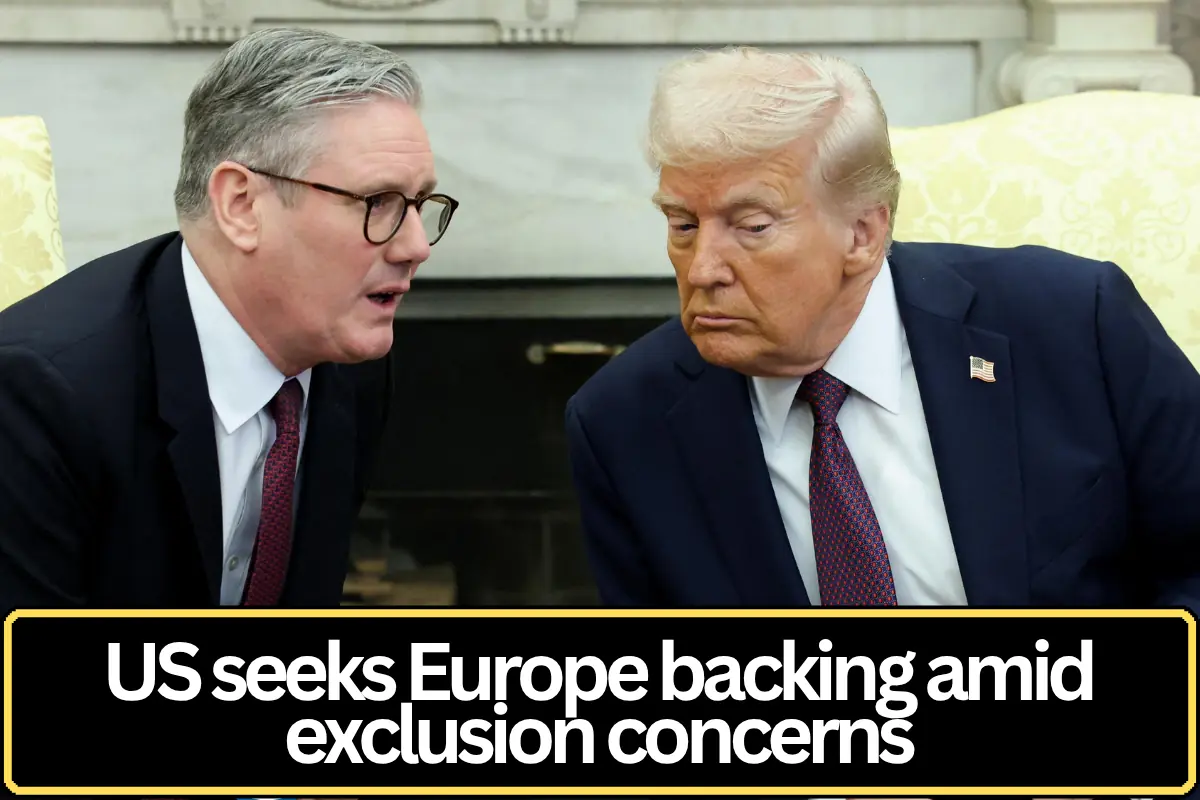
US Looks to Europe for Backing in Expanding Iran Conflict
The United States is seeking increased support from European allies in the ongoing Iran conflict, despite concerns that key partners were not included in the initial decision-making process that led to military action. The development comes in March 2026 as hostilities between Iran, Israel, and US-aligned forces continue to intensify across the Middle East, raising questions about alliance coordination and global security strategy.
Washington’s outreach reflects a growing recognition of the need for broader international backing as the conflict expands in scope and complexity. European nations, many of which are members of NATO, are seen as critical partners in managing both military and diplomatic dimensions of the crisis.
Concerns Over Exclusion From Early Decisions
Reports and political commentary suggest that several European governments were not fully consulted before initial military actions were undertaken against Iranian targets. This has led to concerns about transparency and coordination within Western alliances, particularly at a time when unity is considered essential.
European leaders have expressed unease over being sidelined in decisions that carry significant geopolitical and economic consequences. Analysts note that such exclusion can strain diplomatic relations and complicate efforts to build a cohesive response to the conflict.
The issue highlights longstanding tensions over how major military decisions are made within alliances, especially when rapid action is taken in response to emerging threats.
Strategic Importance of European Support
European involvement is seen as vital for several reasons, including military capability, economic influence, and diplomatic leverage. A coordinated approach involving both the United States and European allies could strengthen deterrence and enhance the effectiveness of any collective response.
Support from Europe could also play a key role in securing critical infrastructure and maintaining stability in global energy markets. With the Middle East serving as a major hub for oil and gas supplies, ensuring safe passage through key routes remains a top priority.
Additionally, European nations are influential in international institutions, making their backing important for shaping global responses and legitimizing actions taken during the conflict.
NATO’s Role Under Discussion
The situation has revived discussions about NATO’s role in conflicts beyond its traditional geographic focus. While NATO has historically concentrated on collective defense within the Euro-Atlantic region, the scale of the Iran conflict has prompted calls for a broader engagement.
Some policymakers argue that NATO’s involvement could provide a structured framework for coordination and burden-sharing among allies. Others caution that expanding the alliance’s role could escalate tensions further and draw additional countries into the conflict.
The debate underscores the evolving nature of global security challenges and the need for adaptable strategies.
Diplomatic Challenges and Alliance Dynamics
Efforts to secure European support are taking place amid a complex diplomatic environment. Differences in strategic priorities, risk tolerance, and public opinion among European nations could influence their level of involvement.
Some countries may favor diplomatic solutions and de-escalation, while others may be more open to providing logistical or military assistance. Balancing these perspectives will be crucial for maintaining alliance cohesion.
Analysts suggest that rebuilding trust through consultation and transparency will be essential for effective collaboration moving forward.
Impact on Global Security and Economy
The outcome of US efforts to engage Europe could have significant implications for global security and economic stability. A unified response may help contain the conflict and mitigate risks, while a fragmented approach could exacerbate uncertainty.
Energy markets remain particularly sensitive to developments in the Middle East, with any disruption to supply routes potentially leading to price volatility. European participation could contribute to efforts aimed at safeguarding these critical channels.
The broader economic impact includes potential effects on trade, investment, and inflation, highlighting the interconnected nature of modern geopolitical crises.
Public and Political Reactions
Public opinion in Europe is likely to play a role in shaping government responses. Concerns about involvement in another major conflict, as well as economic implications, could influence political decisions.
In the United States, the issue has also sparked debate over the approach to alliances and the importance of multilateral decision-making. Critics argue that greater consultation with allies is necessary to ensure legitimacy and effectiveness.
Supporters of the current strategy, however, emphasize the need for decisive action in response to security threats, even if it involves limited initial consultation.
Future Outlook
The coming weeks are expected to be critical in determining the level of European involvement in the conflict. Diplomatic efforts will likely focus on bridging gaps and establishing a مشتر framework for cooperation.
The ability of the United States to secure meaningful support from Europe will influence both the trajectory of the conflict and the broader dynamics of international alliances.
Observers note that the situation represents a test of transatlantic relations and the effectiveness of collective security mechanisms in addressing complex global challenges.
Conclusion
The United States’ push for European support highlights the importance of alliance coordination in managing escalating conflicts, even as concerns persist over initial decision-making processes.
Current Status
The US continues diplomatic efforts to secure European backing, while discussions over alliance roles and coordination remain ongoing amid an intensifying regional conflict.