US Shifts Malaria and HIV Supply Strategy, Warns of Potential Drug Shortages
The US has revised its malaria and HIV drug supply strategy, raising concerns about potential shortages and disruptions in global treatment access.
 Akanksha jain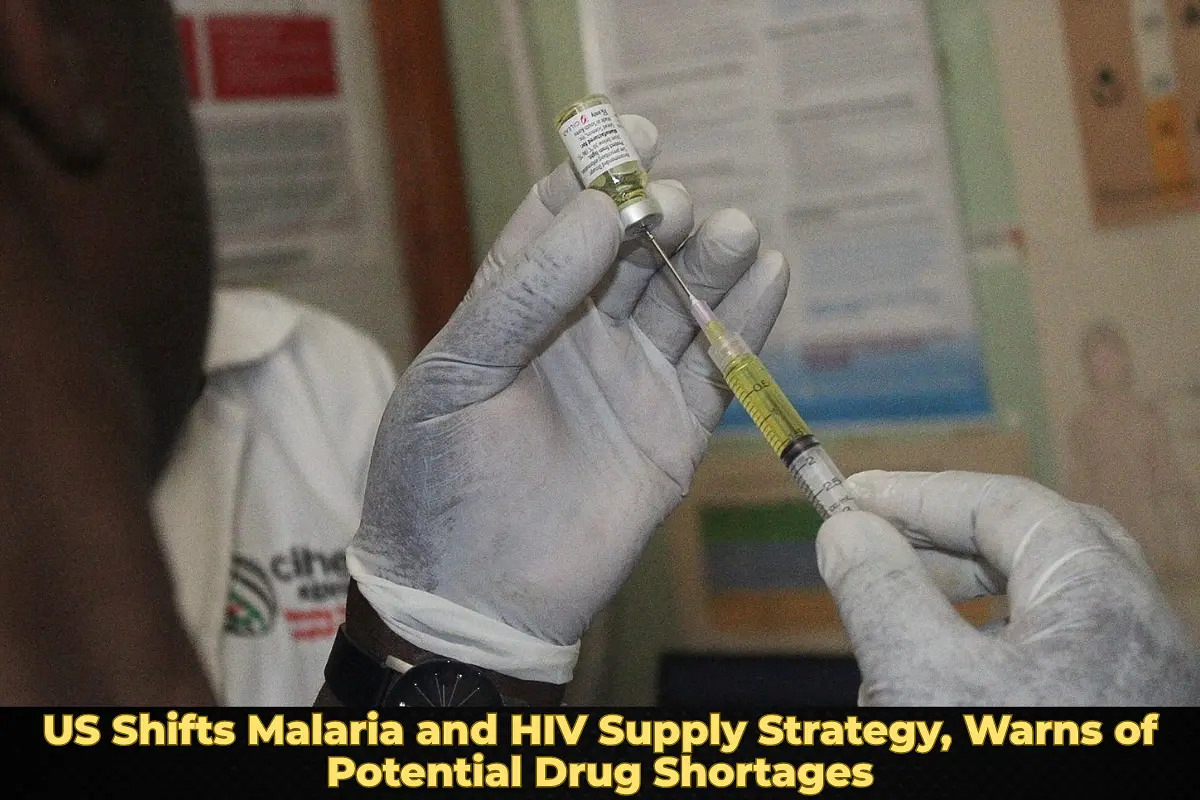
US Shifts Malaria and HIV Supply Strategy, Warns of Potential Drug Shortages
The United States has revised its global supply strategy for malaria and HIV medications, raising concerns among health experts about potential shortages and disruptions in treatment access, according to developments reported in April 2026. The policy shift, driven by changes in procurement, funding allocation, and distribution priorities, could impact the availability of life-saving drugs in vulnerable regions, particularly in low- and middle-income countries.
Health authorities and international organizations are closely monitoring the situation as the United States plays a critical role in financing and supplying medicines for major infectious diseases worldwide. The revised strategy is expected to affect procurement timelines and distribution channels, prompting warnings about possible gaps in supply if mitigation measures are not implemented promptly.
Changes in Procurement and Distribution
The updated approach involves modifications in how malaria and HIV drugs are sourced and distributed globally. This includes adjustments in supplier contracts, inventory management practices, and logistical frameworks aimed at improving efficiency and cost-effectiveness.
However, experts caution that transitions in supply systems can introduce short-term disruptions, especially when dealing with complex global supply chains. Delays in procurement or changes in supplier networks may lead to temporary shortages, particularly in regions heavily dependent on US-supported programs.
Stakeholders emphasized that even brief interruptions in the availability of essential medicines could have significant consequences for patients relying on continuous treatment.
Impact on HIV Treatment Programs
HIV treatment programs are particularly sensitive to supply disruptions, as patients require consistent access to antiretroviral therapy to maintain viral suppression and prevent disease progression. Any interruption in medication availability can lead to treatment failure, increased transmission risk, and the development of drug resistance.
Organizations involved in HIV care have expressed concern that supply changes could affect treatment continuity in high-burden regions. Efforts are underway to assess current stock levels and ensure that contingency plans are in place to prevent interruptions in patient care.
Healthcare providers are also being advised to monitor inventory closely and coordinate with supply agencies to address potential gaps.
Risks to Malaria Control Efforts
Malaria control programs may also face challenges due to the revised supply strategy. The availability of antimalarial drugs is essential for both treatment and prevention, particularly in regions with high transmission rates.
Shortages could hinder efforts to control outbreaks and reduce mortality, especially during peak transmission seasons. Public health officials warn that disruptions in drug supply could reverse progress made in reducing malaria cases over recent years.
Preventive measures, such as seasonal malaria chemoprevention campaigns, may also be affected if drug availability becomes constrained.
Global Health Community Response
International health organizations, including non-governmental groups and multilateral agencies, are engaging with US authorities to better understand the implications of the new strategy. Discussions are focused on ensuring continuity of supply and minimizing risks to ongoing health programs.
Collaborative efforts are being made to identify alternative sources, strengthen supply chain resilience, and improve coordination among stakeholders. Experts emphasize the importance of transparency and timely communication in managing the transition.
The global health community has called for proactive measures to address potential shortages before they impact patient care.
Supply Chain Vulnerabilities
The situation highlights broader vulnerabilities in global pharmaceutical supply chains, which have faced increasing pressure due to geopolitical factors, manufacturing constraints, and logistical challenges. The COVID-19 pandemic previously exposed weaknesses in supply systems, prompting calls for more robust and diversified networks.
Reliance on a limited number of suppliers or distribution channels can increase the risk of disruptions, particularly when policy changes occur. Strengthening local manufacturing capacity and diversifying procurement sources are seen as potential solutions to enhance resilience.
Experts note that maintaining stable supply chains is critical for managing chronic and infectious diseases effectively.
Policy and Funding Considerations
The shift in strategy may also reflect broader policy and funding priorities within the US healthcare and global aid framework. Changes in budget allocations or strategic focus can influence how resources are distributed across health programs.
While the revised approach may aim to improve long-term sustainability, the immediate transition period poses challenges that require careful management. Ensuring that funding decisions align with public health needs is essential to avoid unintended consequences.
Policymakers are expected to review the impact of the changes and adjust strategies as needed to maintain program effectiveness.
Mitigation Efforts and Contingency Planning
Efforts are underway to mitigate the risks associated with the new supply strategy. These include increasing buffer stock levels, accelerating procurement processes, and enhancing coordination between suppliers and healthcare providers.
Countries affected by potential shortages are being encouraged to develop contingency plans, including identifying alternative suppliers and optimizing inventory management. International support may be required to ensure that vulnerable populations continue to receive necessary treatments.
Monitoring systems are also being strengthened to detect early signs of supply disruptions and enable timely interventions.
Long-Term Implications
The changes in the US supply strategy could have lasting implications for global health systems, particularly in how essential medicines are procured and distributed. The situation underscores the need for resilient and adaptable supply chains capable of responding to evolving challenges.
Experts believe that lessons learned from this transition could inform future strategies aimed at improving efficiency while safeguarding access to critical medications. Continued collaboration between governments, international organizations, and the private sector will be key to achieving these goals.
The focus remains on balancing cost-effectiveness with the imperative to maintain uninterrupted access to life-saving treatments.
Conclusion
The US decision to shift its malaria and HIV drug supply strategy has raised concerns about potential shortages, with global health stakeholders working to ensure continuity of care and prevent disruptions in critical treatment programs.