Four in Ten Cancer Cases Could Be Prevented Globally, WHO Says
The World Health Organization says four in ten cancer cases worldwide could be prevented through lifestyle changes, vaccination, and reduced exposure to risk factors.
 Akanksha jain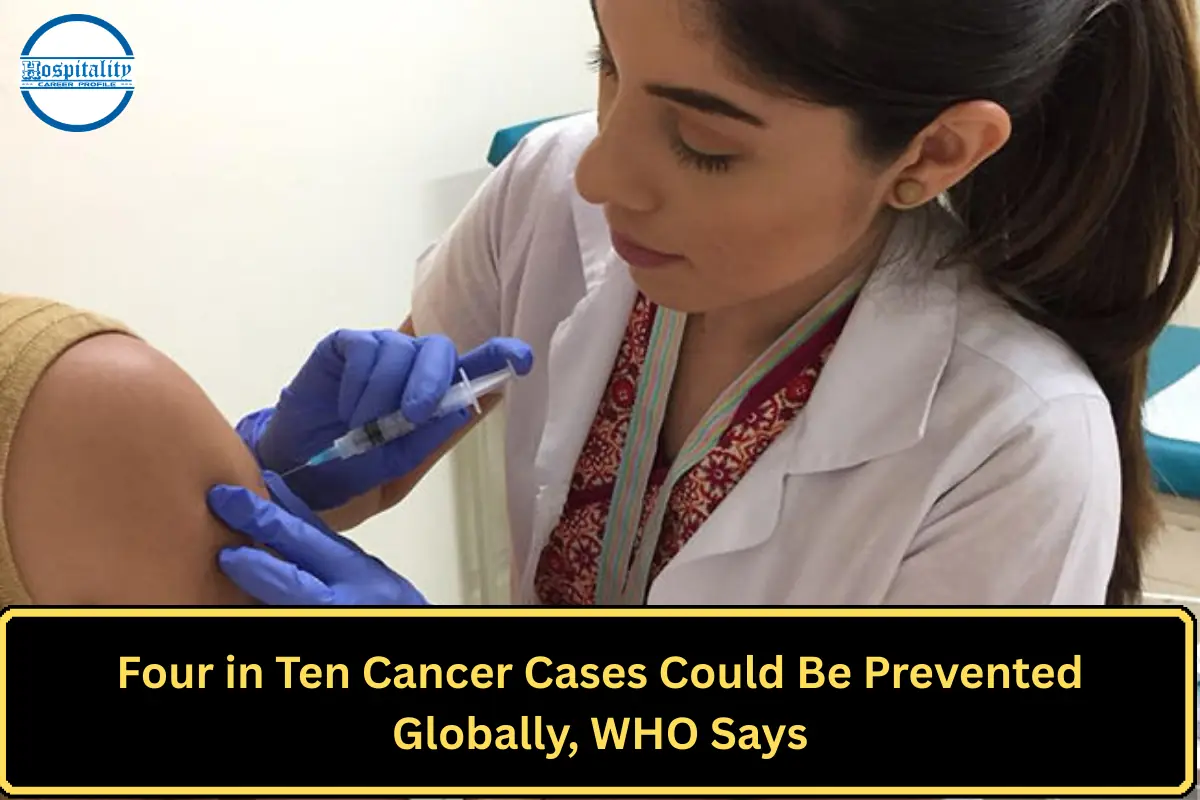
Nearly four in ten cancer cases worldwide could be prevented through effective public health measures and lifestyle changes, according to the WHO.
In a recent update, the WHO highlighted that modifiable risk factors such as tobacco use, alcohol consumption, unhealthy diets, physical inactivity, obesity, and environmental exposures remain major contributors to global cancer incidence.
Key Preventable Risk Factors:
Tobacco use continues to be the leading preventable cause of cancer globally, linked to lung, oral, throat, bladder, and several other cancers. Alcohol consumption and high body mass index are also significant risk factors.
Infections such as human papillomavirus (HPV) and hepatitis B and C viruses contribute to cervical and liver cancers, many of which can be prevented through vaccination and early treatment.
The Role of Vaccination and Screening
WHO emphasized the importance of expanding access to HPV and hepatitis B vaccines, particularly in low- and middle-income countries. Early detection through screening programs for breast, cervical, and colorectal cancers also plays a crucial role in reducing mortality.
Strengthening primary healthcare systems and ensuring equitable access to preventive services remain central to global cancer control strategies.
Addressing Environmental and Occupational Risks:
Air pollution, exposure to carcinogenic chemicals, and occupational hazards are additional contributors to the cancer burden. WHO called for stronger regulatory frameworks and public awareness campaigns to reduce these risks.
Global Call to Action
The organization urged governments to integrate cancer prevention into broader non-communicable disease strategies, focusing on education, policy interventions, and health system strengthening.
Experts note that while genetics and aging play a role in cancer development, a substantial proportion of cases can be avoided through coordinated preventive efforts at both individual and policy levels.