WHO Flags Lung Cancer as Leading Cause of Cancer Deaths Globally
WHO highlights lung cancer as the leading cause of cancer deaths worldwide, outlining key risk factors, mortality data, and prevention strategies.
 Akanksha jain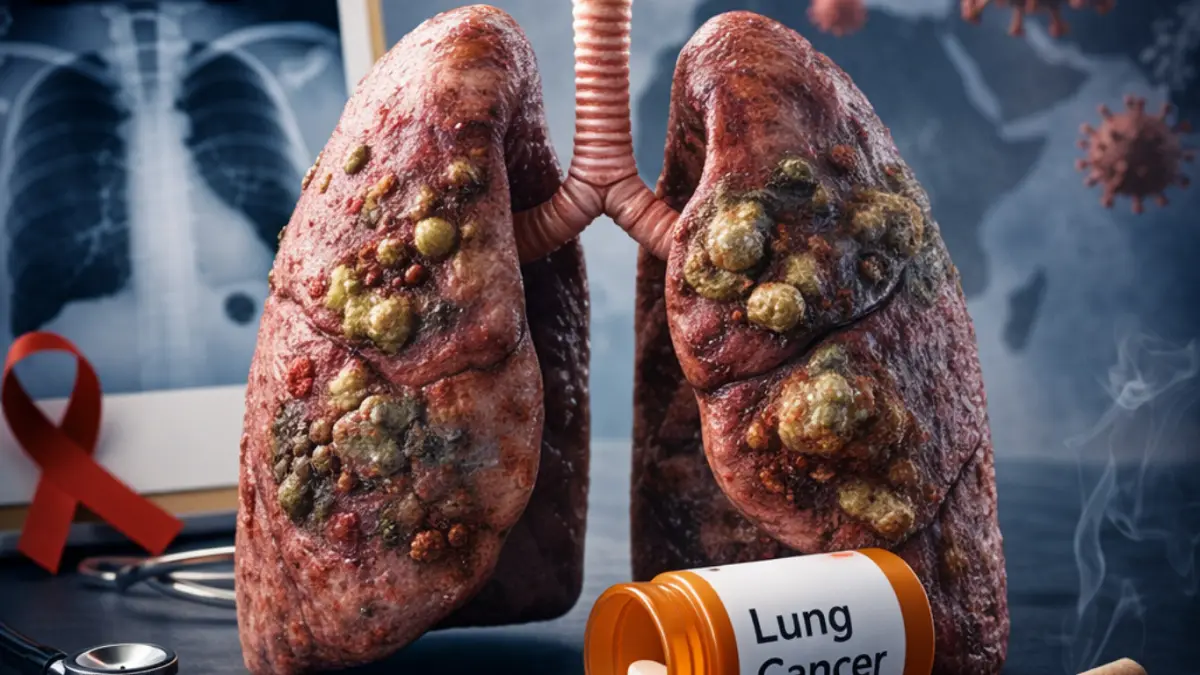
The World Health Organization (WHO) has identified lung cancer as the leading cause of cancer-related deaths globally, highlighting its significant public health burden, with millions of new cases and fatalities reported each year, driven largely by tobacco use, air pollution, and occupational exposures, according to its latest fact sheet.
Lung cancer accounts for a substantial share of global cancer incidence and mortality, making it one of the most critical health challenges worldwide. The WHO notes that the disease continues to affect both developed and developing countries, with rising cases linked to environmental and lifestyle risk factors.
Lung Cancer Leads Global Cancer Mortality
According to the WHO, lung cancer is responsible for the highest number of cancer-related deaths globally. It contributes significantly to overall cancer mortality, reflecting both high incidence rates and relatively poor survival outcomes compared to other cancers.
The disease often remains undiagnosed until advanced stages, which limits treatment effectiveness and contributes to higher fatality rates. Early-stage detection is associated with better outcomes, but access to screening and timely diagnosis remains uneven across regions.
The WHO emphasizes that improving early detection and expanding access to diagnostic services are critical to reducing mortality associated with lung cancer.
Tobacco Use Remains Primary Risk Factor
The WHO identifies tobacco smoking as the leading cause of lung cancer, accounting for the majority of cases worldwide. Both active smoking and exposure to secondhand smoke significantly increase the risk of developing the disease.
Despite global efforts to reduce tobacco consumption, smoking prevalence remains a major concern in many countries. The WHO highlights that tobacco control measures, including taxation, advertising restrictions, and public awareness campaigns, are essential to lowering lung cancer incidence.
In addition to cigarettes, other forms of tobacco use, such as smokeless tobacco and emerging products, may also contribute to cancer risk, though smoking remains the dominant factor.
Air Pollution and Occupational Hazards Increase Risk
Beyond tobacco use, the WHO underscores the role of environmental factors in lung cancer development. Air pollution, particularly fine particulate matter, has been identified as a significant risk factor, especially in urban and industrial areas.
Occupational exposure to carcinogens, including asbestos, arsenic, and diesel exhaust, also contributes to increased risk among workers in certain industries. The WHO notes that these exposures are preventable through regulatory measures and workplace safety standards.
Indoor air pollution, often caused by the use of solid fuels for cooking and heating, remains a major risk factor in low- and middle-income countries, disproportionately affecting vulnerable populations.
Prevention and Early Detection Key to Reducing Burden
The WHO stresses that lung cancer is largely preventable through effective public health interventions. Reducing tobacco use remains the most impactful strategy, alongside improving air quality and minimizing occupational exposures.
Screening programs targeting high-risk populations, such as long-term smokers, can help detect lung cancer at earlier stages when treatment is more effective. However, the implementation of such programs varies widely across countries.
Public awareness about symptoms, including persistent cough, chest pain, and difficulty breathing, is also important for encouraging early medical consultation and diagnosis.
Challenges in Treatment and Survival Outcomes
Lung cancer treatment depends on the type and stage of the disease, with options including surgery, chemotherapy, radiation therapy, targeted therapy, and immunotherapy. Advances in treatment have improved outcomes for some patients, but overall survival rates remain relatively low.
The WHO highlights disparities in access to treatment, particularly in low-resource settings where advanced therapies may not be readily available. Addressing these gaps is essential for improving global survival rates.
The complexity of lung cancer, combined with late diagnosis and limited access to care, continues to pose challenges for healthcare systems worldwide.
Global Health Priority and Ongoing Efforts
The WHO identifies lung cancer as a priority area for global health action, calling for strengthened prevention strategies, improved healthcare infrastructure, and increased investment in research. Efforts to reduce tobacco use and environmental risk factors are central to these initiatives.
International collaboration and policy measures are seen as critical to addressing the disease burden, particularly in regions with high incidence and limited healthcare resources. The WHO continues to support countries in implementing evidence-based interventions to reduce cancer risk and improve outcomes.
The fact sheet underscores the need for a comprehensive approach that combines prevention, early detection, and equitable access to treatment to effectively combat lung cancer at a global level.