WHO Warns of Collapse of Sudan’s Health System Amid Attacks on Facilities
The World Health Organization warns that Sudan’s health system is nearing collapse due to ongoing attacks on medical facilities and worsening access to essential care.
 Akanksha jain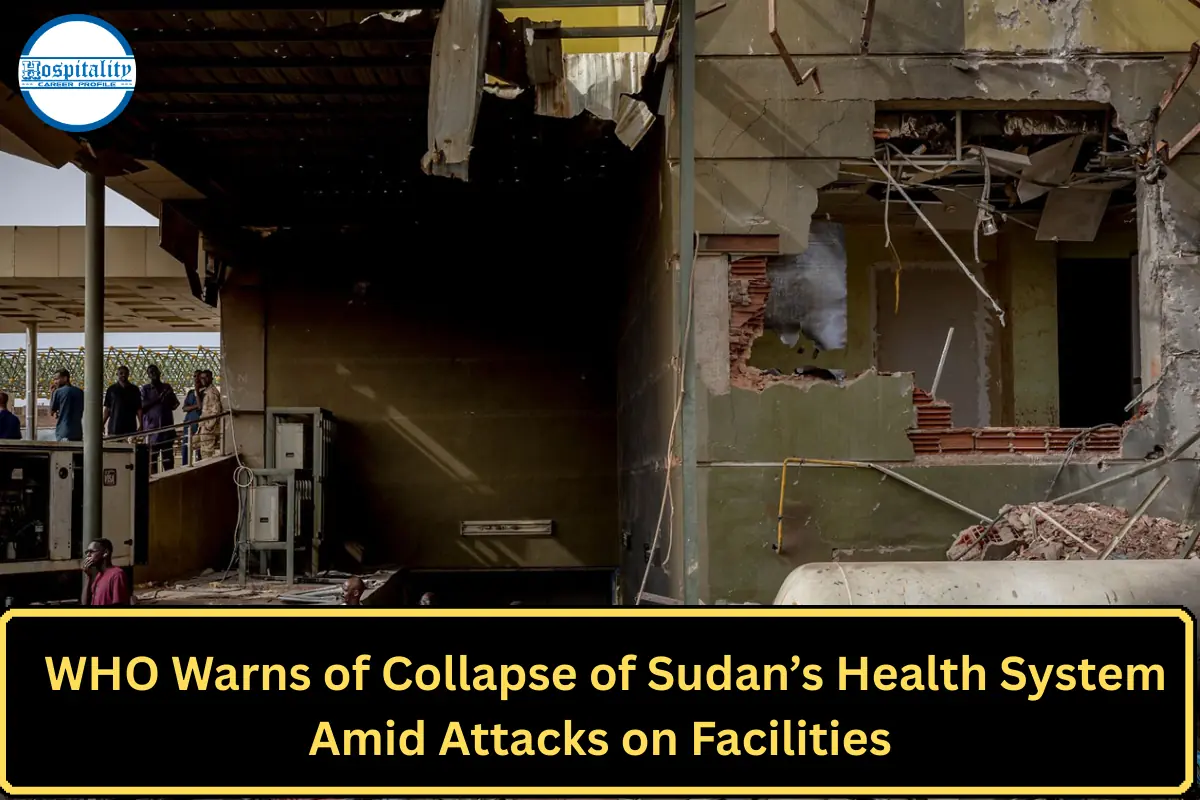
The World Health Organization (WHO) has issued a stark warning that Sudan’s health system is on the brink of collapse as continued attacks on healthcare facilities severely disrupt medical services across the country.
According to WHO officials, repeated damage to hospitals, clinics, and supply chains has left large segments of the population without access to essential healthcare. Critical shortages of medicines, medical equipment, and healthcare personnel have compounded the crisis.
Attacks on Healthcare Infrastructure
Health facilities have reportedly been damaged or forced to shut down due to ongoing insecurity. Such disruptions not only limit emergency and trauma care but also interrupt routine services, including maternal health, vaccinations, and treatment of chronic diseases.
International health authorities stress that medical facilities and personnel are protected under international humanitarian law, and attacks on healthcare infrastructure can have long-term consequences for civilian populations.
Rising Humanitarian Needs
As violence continues, displacement and deteriorating living conditions are increasing the risk of disease outbreaks and worsening malnutrition. Public health surveillance systems have also been affected, making it more difficult to monitor and respond to emerging health threats.
WHO and partner organizations are calling for urgent protection of healthcare services, safe access for humanitarian aid, and restoration of critical supply chains to prevent further deterioration.
Global Response and Urgent Appeals
Global health agencies are urging the international community to prioritize humanitarian access and funding to stabilize the situation. Without immediate intervention, experts warn that preventable illnesses and untreated injuries could significantly raise mortality rates.
The situation highlights the broader vulnerability of health systems in conflict settings, where infrastructure damage and workforce shortages can rapidly undermine years of public health progress.