
Wockhardt’s Novel Antibiotic Zaynich Receives Expert Panel Nod for Approval in India
Wockhardt’s new antibiotic, Zaynich, has received approval recommendations from an expert panel in India, marking a key step in addressing antimicrobial resistance.
 Akanksha jain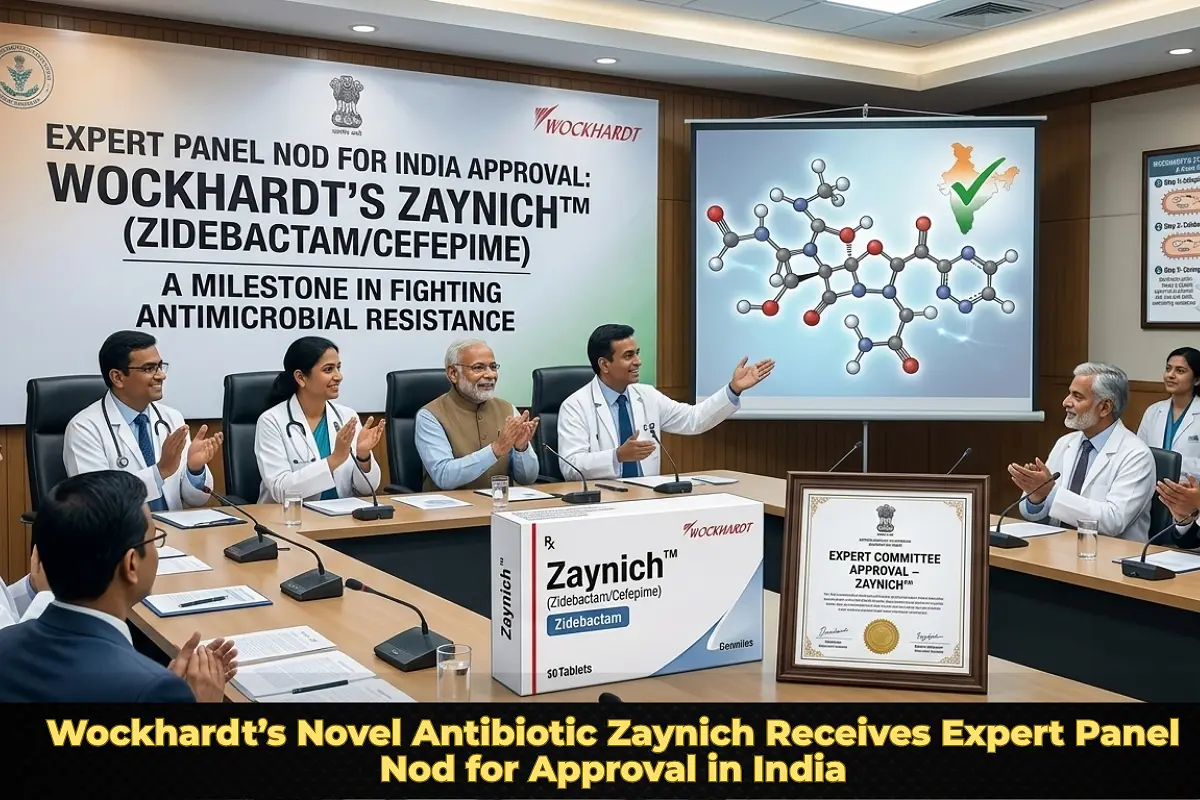
Wockhardt’s Novel Antibiotic Zaynich Receives Expert Panel Nod for Approval in India
Wockhardt Ltd has received a recommendation for approval of its novel antibiotic Zaynich from an expert committee in India, marking a significant milestone in the fight against antimicrobial resistance, according to reports released in April 2026. The Subject Expert Committee (SEC), which advises the Central Drugs Standard Control Organization (CDSCO), endorsed the drug for use, paving the way for potential regulatory clearance and commercial launch in the country.
The recommendation follows a review of clinical data demonstrating the drug’s efficacy and safety in treating serious bacterial infections. If formally approved by the national regulator, Zaynich could become an important addition to India’s limited arsenal of new-generation antibiotics designed to combat drug-resistant pathogens.
Addressing Antimicrobial Resistance
Antimicrobial resistance (AMR) has emerged as a major global health threat, with bacteria increasingly developing resistance to existing antibiotics. India, with its high burden of infectious diseases and widespread antibiotic use, is considered one of the countries most affected by AMR.
Zaynich has been developed specifically to target resistant strains of bacteria that no longer respond to conventional treatments. Experts say the introduction of new antibiotics with novel mechanisms of action is critical to addressing the growing challenge of drug resistance.
The expert committee’s recommendation reflects the urgent need for effective therapies capable of treating severe infections caused by multidrug-resistant organisms.
Clinical Performance and Efficacy
Wockhardt presented data from clinical trials indicating that Zaynich demonstrated strong efficacy against a range of bacterial infections, including those caused by resistant strains. The studies showed favorable outcomes in patients with complicated infections, particularly in hospital settings where resistant pathogens are more prevalent.
The drug’s safety profile was also evaluated during the review process, with findings suggesting that it is generally well tolerated when used under appropriate medical supervision. These results were key factors in the committee’s decision to recommend approval.
Healthcare professionals have emphasized the importance of ensuring that such antibiotics are used judiciously to prevent the rapid emergence of resistance.
Regulatory Pathway and Next Steps
The recommendation by the Subject Expert Committee is a critical step in India’s drug approval process, but final authorization will depend on a decision by the CDSCO. Regulatory authorities will review the committee’s findings before granting marketing approval.
Once approved, Wockhardt is expected to begin commercialization of Zaynich in India, potentially followed by expansion into international markets. The company has been actively working on strengthening its pipeline of anti-infective therapies.
Industry analysts note that timely regulatory approval will be essential to ensuring that the drug reaches patients who need it most.
Importance for Indian Healthcare System
The availability of a new antibiotic like Zaynich could significantly impact India’s healthcare system by providing clinicians with an additional option for treating difficult infections. Hospitals, particularly intensive care units, often face challenges in managing infections caused by resistant bacteria.
New treatment options can help reduce mortality rates, shorten hospital stays, and improve patient outcomes. However, experts caution that antibiotics must be used responsibly to preserve their effectiveness over time.
The introduction of Zaynich may also support national efforts to strengthen antimicrobial stewardship programs aimed at controlling the use of antibiotics.
Pharmaceutical Industry Perspective
The development of new antibiotics has been relatively limited in recent years due to high research costs and lower commercial returns compared to other therapeutic areas. Wockhardt’s progress with Zaynich highlights the role of innovation in addressing critical public health challenges.
The company’s focus on antibiotic research reflects a broader need for pharmaceutical firms to invest in anti-infective therapies despite economic challenges. Governments and global health organizations have been encouraging such efforts through policy support and funding initiatives.
Industry stakeholders believe that successful development and approval of new antibiotics could encourage further investment in this area.
Global Implications
The approval of Zaynich in India could have implications beyond the domestic market, particularly in regions facing similar challenges with antimicrobial resistance. New antibiotics developed in one country can contribute to global efforts to combat resistant infections.
International health agencies have emphasized the importance of coordinated action to address AMR, including the development of new drugs, improved diagnostics, and responsible use of existing treatments.
Zaynich’s progress may also support India’s position as a key player in global pharmaceutical innovation.
Challenges Ahead
Despite the positive development, challenges remain in ensuring that the antibiotic is accessible, affordable, and used appropriately. Pricing strategies, distribution networks, and regulatory policies will influence how widely the drug is adopted.
There is also a need for continued surveillance to monitor resistance patterns and assess the long-term effectiveness of the drug. Healthcare providers will play a critical role in integrating new antibiotics into treatment protocols.
Balancing accessibility with responsible use will be essential to maximize the benefits of the new therapy.
Future Outlook
Wockhardt is expected to continue its focus on developing innovative anti-infective therapies, with Zaynich representing a key milestone in its research pipeline. The company may explore additional indications and formulations to expand the drug’s clinical applications.
Advances in antibiotic research, combined with improved stewardship practices, are seen as essential to addressing the ongoing threat of antimicrobial resistance. The introduction of new drugs like Zaynich is a step forward in this effort.
Experts stress that sustained collaboration between industry, regulators, and healthcare providers will be necessary to ensure long-term success.
Conclusion
The expert panel’s recommendation for approval of Wockhardt’s Zaynich marks an important development in India’s fight against antimicrobial resistance, with final regulatory clearance expected to determine its availability in the near future.