World Health Day 2026 Highlights Global Call to ‘Stand With Science’ for Better Public Health
World Health Day 2026 emphasizes the theme “Together for Health: Stand with Science,” urging global collaboration and evidence-based action to improve public health outcomes.
 Akanksha jain
 World Health Day 2026 Highlights Global Call to ‘Stand With Science’ for Better Public Health
World Health Day 2026 is being observed globally on April 7 under the theme “Together for Health: Stand with Science,” with health authorities, policymakers, and organizations calling for stronger reliance on scientific evidence to address pressing global health challenges and improve outcomes worldwide.
The campaign, led by the World Health Organization (WHO), aims to reinforce the importance of science-driven decision-making in tackling health crises, combating misinformation, and strengthening healthcare systems across countries. The initiative comes at a time when global health systems continue to face complex challenges, including emerging diseases, climate-related health risks, and unequal access to care.
Focus on Science-Based Decision-Making
The central theme of this year’s World Health Day underscores the role of science as the foundation for effective public health policies. Health experts emphasize that evidence-based approaches are critical for managing diseases, improving treatment outcomes, and ensuring the efficient use of healthcare resources.
WHO officials have highlighted that scientific research has played a vital role in addressing recent global health emergencies, from vaccine development to disease surveillance. The organization is urging governments and institutions to continue investing in research and innovation to build resilient healthcare systems.
The campaign also seeks to counter the growing spread of misinformation, which has been identified as a significant barrier to effective healthcare delivery and public trust.
Global Collaboration as a Key Priority
A major focus of World Health Day 2026 is the need for international collaboration in addressing health challenges that transcend borders. Experts note that issues such as pandemics, antimicrobial resistance, and environmental health risks require coordinated global responses.
Countries are being encouraged to share data, resources, and expertise to strengthen collective preparedness and response capabilities. Partnerships between governments, research institutions, and healthcare organizations are seen as essential for advancing global health goals.
The WHO has reiterated that cooperation and solidarity remain critical in ensuring that no region is left behind in accessing healthcare advancements.
Addressing Health Inequalities
Health inequalities continue to be a major concern, with significant disparities in access to healthcare services, medicines, and preventive measures across different regions and populations. The World Health Day campaign highlights the need to bridge these gaps through targeted policies and investments.
Vulnerable communities, including those in low- and middle-income countries, often face barriers such as limited infrastructure, workforce shortages, and financial constraints. Addressing these challenges is essential for achieving universal health coverage.
Experts stress that equitable access to healthcare is not only a moral imperative but also a critical factor in global health security.
Role of Innovation and Technology
Advances in technology and innovation are playing an increasingly important role in improving healthcare delivery. From digital health tools to advanced diagnostics, new technologies are enabling more efficient and accessible care.
The WHO is encouraging the adoption of digital solutions to enhance disease monitoring, patient care, and health system management. These tools can help bridge gaps in access, particularly in remote and underserved areas.
However, experts also caution that the benefits of innovation must be distributed equitably to avoid widening existing disparities.
Combating Misinformation in Healthcare
The spread of misinformation has emerged as a significant challenge in recent years, affecting public understanding of health issues and undermining trust in healthcare systems. World Health Day 2026 places strong emphasis on promoting accurate, science-based information.
Health authorities are calling for increased efforts to educate the public, improve health literacy, and ensure that reliable information is widely accessible. Collaboration with media and digital platforms is also being encouraged to counter false narratives.
Experts note that building public trust is essential for the success of health interventions and policies.
Strengthening Health Systems
Another key focus of the campaign is the need to strengthen health systems to better respond to current and future challenges. This includes investments in infrastructure, workforce training, and supply chain resilience.
Robust health systems are critical for delivering quality care, managing emergencies, and ensuring continuity of services. The WHO has emphasized the importance of long-term planning and sustainable investment in healthcare.
Countries are being urged to prioritize health in national development agendas to support economic and social progress.
Community Engagement and Awareness
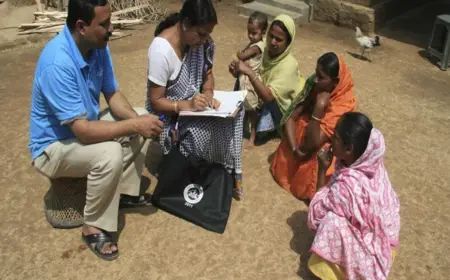
World Health Day also highlights the role of communities in promoting health and well-being. Public awareness campaigns, community outreach programs, and grassroots initiatives are essential for encouraging healthy behaviors and early intervention.
Engaging communities in health initiatives can improve participation, increase trust, and enhance the effectiveness of interventions. The WHO is encouraging local organizations to play an active role in spreading awareness and supporting public health efforts.
Experts believe that community-driven approaches can lead to more sustainable and impactful outcomes.
Policy Implications and Future Outlook
The theme of “Stand with Science” carries important implications for policymakers, who are being urged to base decisions on reliable evidence and expert guidance. This approach is seen as critical for addressing complex health challenges and achieving long-term improvements.
Looking ahead, the WHO and its partners are expected to continue promoting science-based policies and fostering global collaboration. Ongoing efforts will focus on strengthening health systems, advancing research, and ensuring equitable access to healthcare.
The campaign is also expected to drive discussions on the role of science in shaping future health strategies and policies.
Conclusion
World Health Day 2026 serves as a global reminder of the importance of science, collaboration, and equity in improving public health, as stakeholders call for sustained efforts to build stronger and more resilient healthcare systems worldwide.